Are Texas Property Owners Held Liable for Injuries Caused by HVAC Failure?
Share
Commercial and multi-family residential property owners have understandable liability concerns. Slip and fall accidents can be a massive and expensive headache to deal with, and the potential causes are seemingly limitless. With so much focus directed at things like handrails on stairs and fire exits, it’s unsurprising that some property owners fail to give much thought to temperature-related risks.
HVAC Obligations for Texas Property Owners
HVAC requirements for Texas landlords can be complicated. Property Code § 92.052 only requires landlords to repair conditions that “materially affect the physical health or safety of an ordinary tenant.” That typically applies to existing systems. If the lease says the unit comes with AC (or it’s implied), the landlord must keep the AC working. If the property never had AC, there’s no statewide requirement to install it.
Some cities do have local ordinances requiring landlords to provide AC in rental housing, including Dallas and Austin. Houston is a bit more complicated, only requiring AC if the rental unit doesn’t have ‘properly screened windows’ that can be opened.
Fort Worth and Arlington do not have a local ordinance requiring landlords to provide AC unless it’s expressly or impliedly included in the lease agreement. In other words, if you rent out a residential property with air conditioning or a heat pump, and it breaks, you would be required to repair it as a condition that affects physical health or safety.
From a Liability Standpoint
If a rental property or commercial facility doesn’t have an air conditioner and the lessee has no expectation of cooling, a property owner likely can’t be held liable for heat-related injuries or deaths. However, if the property does have an AC or heat pump, and it breaks, the property owner could potentially be held liable for injuries attributable to their failure to fix it.
Although an air conditioner or heat pump isn’t a legal requirement for Arlington and Fort Worth multi-family properties, it is practical necessity. There are very few rentals in the metro area that don’t have some form of cooling because there’s not much of a market for rentals that are virtually uninhabitable for much of the year.
Heat Liability in Commercial Settings
Employers are required under OSHA’s General Duty Clause to provide a workplace free from recognized hazards. That includes excessive indoor heat in warehouses, distribution centers and other commercial facilities.
Even though OSHA does not have a formal indoor air conditioning requirement, the agency has cited businesses for failing to protect workers from heat stress. In practice, this means if an HVAC system fails and employees experience heat illness, the property owner or manager could face fines, insurance complications or civil liability claims.
Preventive HVAC Maintenance as Liability Protection
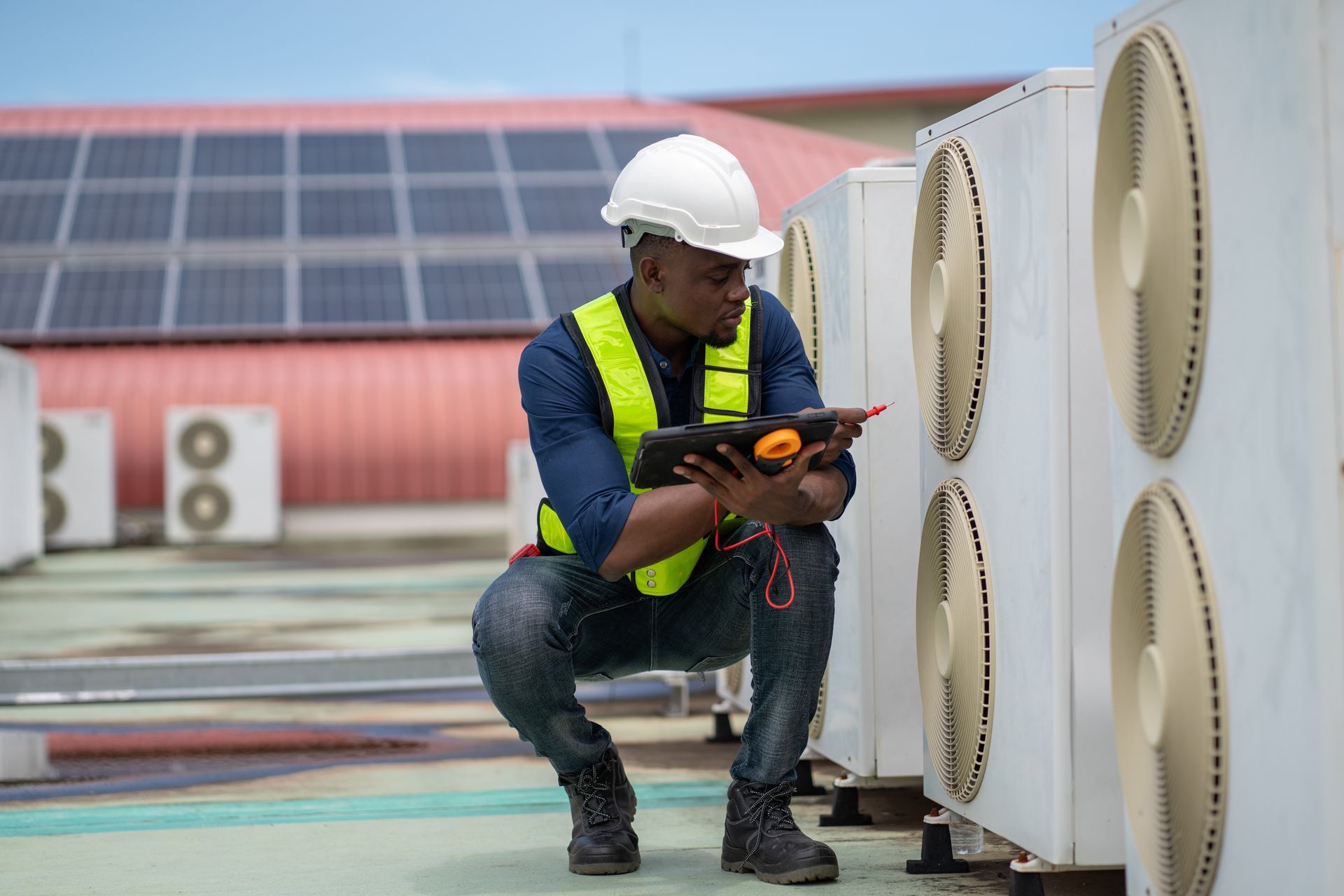
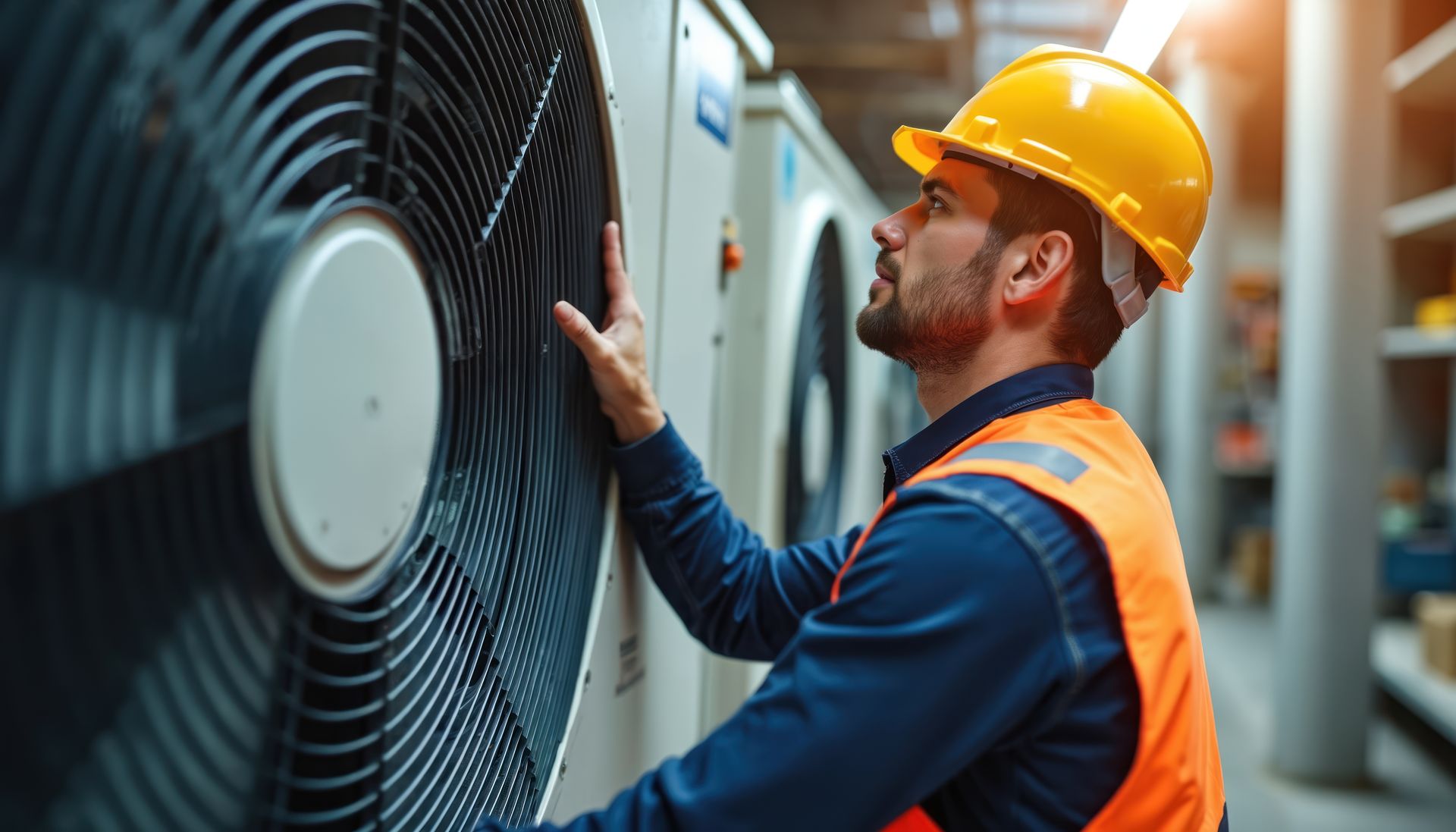
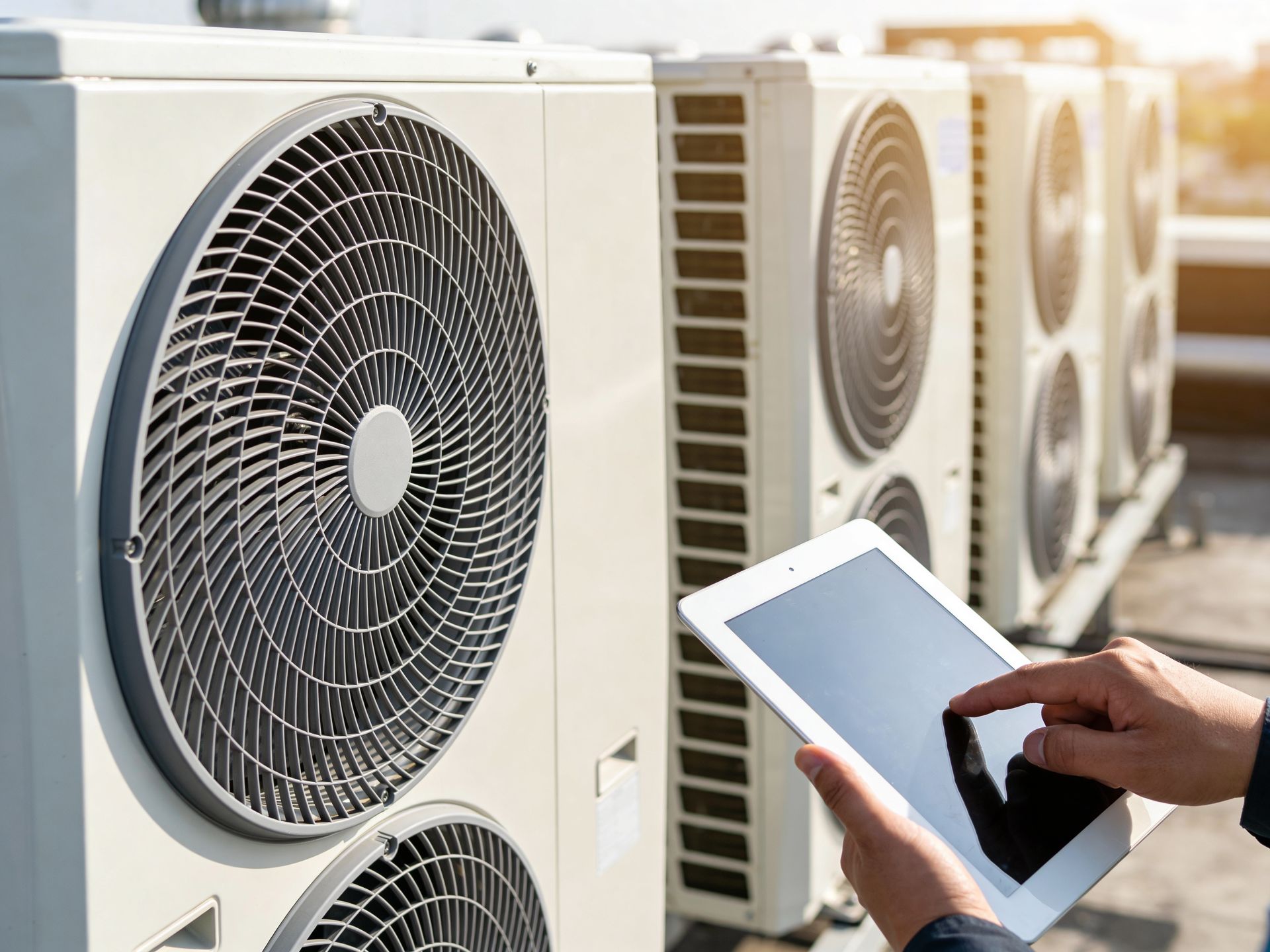
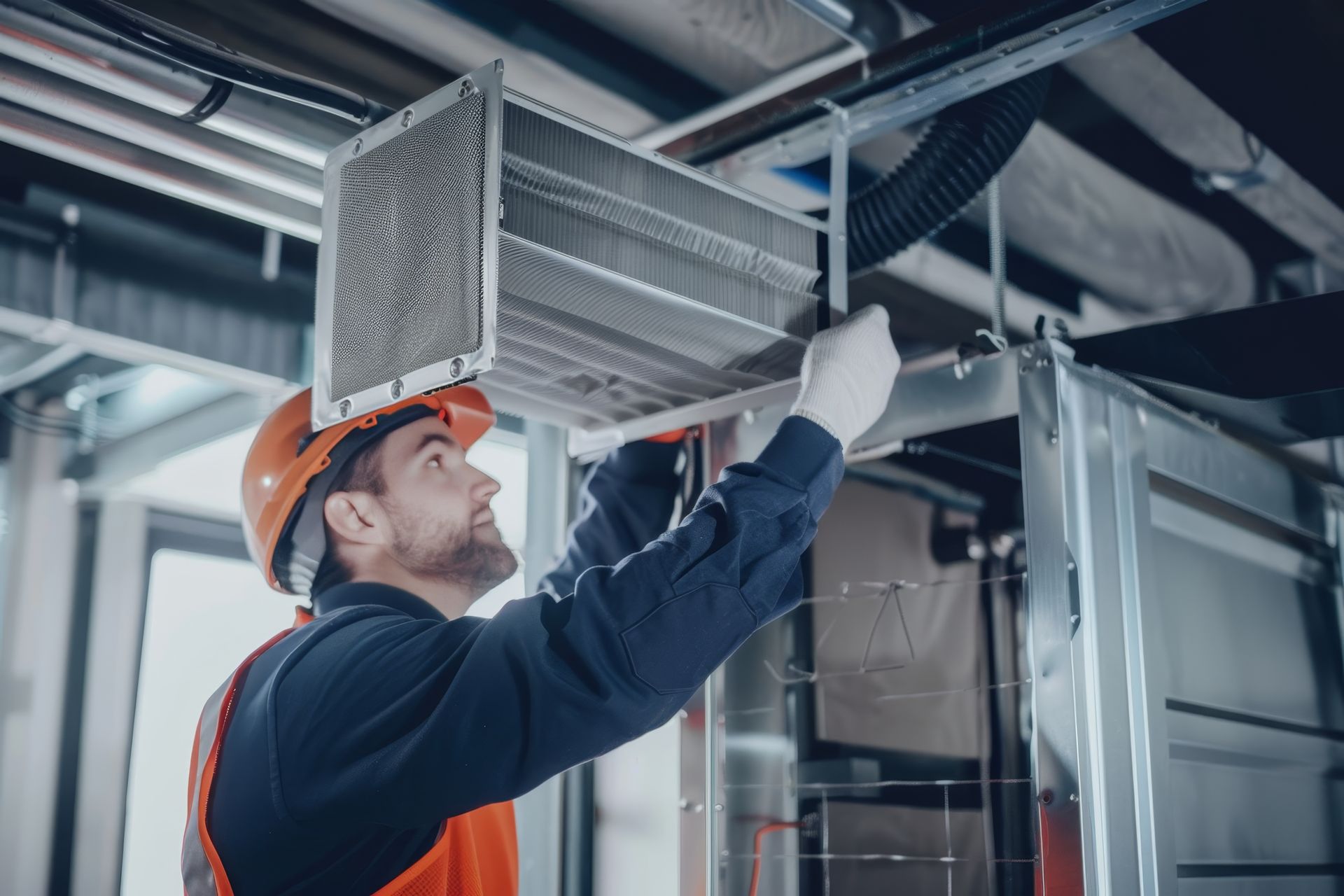
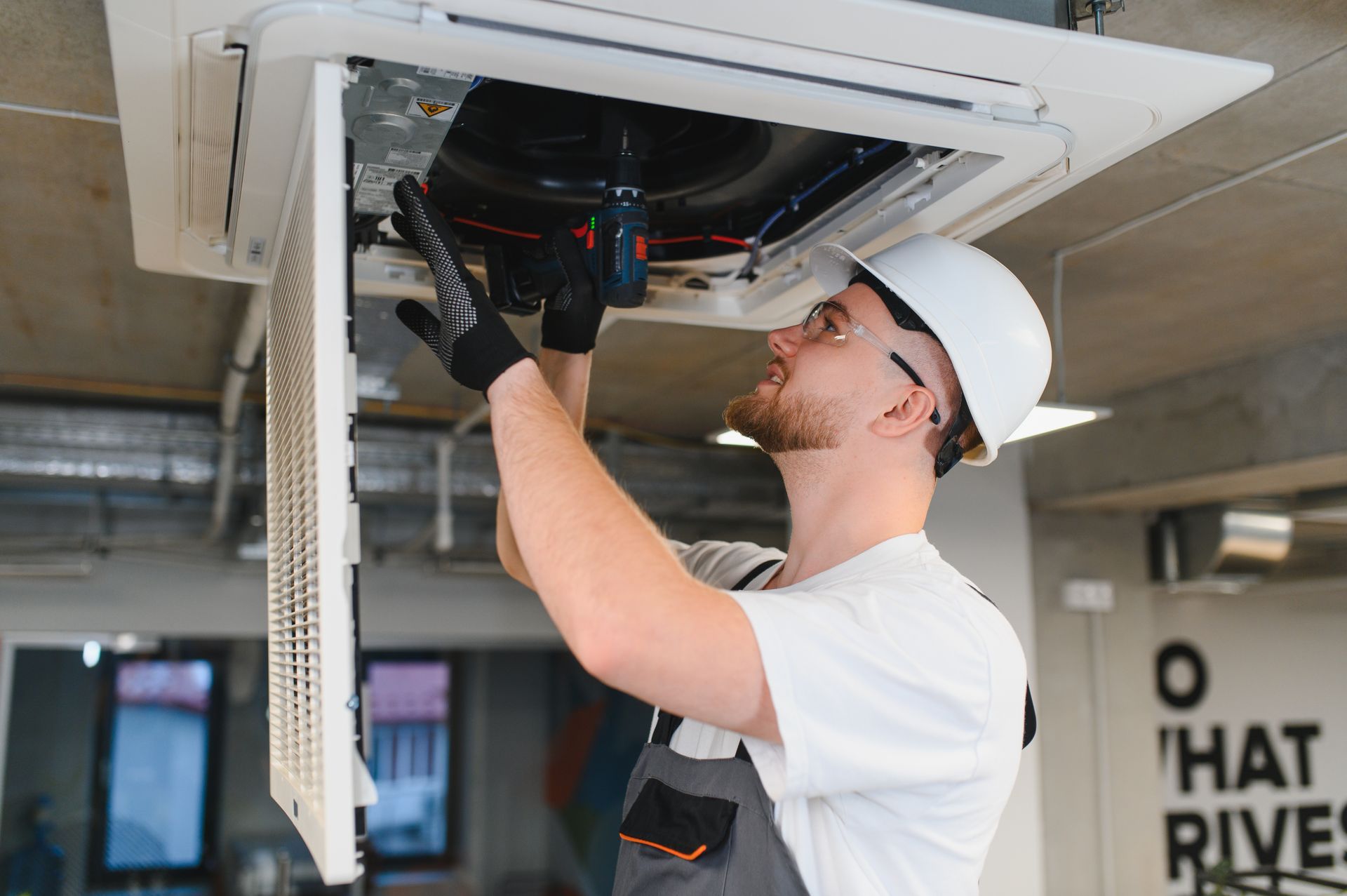
One of the most effective ways property managers can reduce liability exposure is by prioritizing preventive HVAC service. Regular inspections and tune-ups catch issues like failing capacitors, refrigerant leaks or airflow restrictions before they lead to complete system failures during the hottest days of summer.
In addition to keeping tenants and employees safe and comfortable, staying on top of preventive HVAC maintenance demonstrates a good-faith effort to uphold health and safety obligations. If a dispute ever does arise, being able to show maintenance records can be a powerful defense, because it proves that management took reasonable steps to maintain the property and minimize heat-related risks.
Cold Weather Risks Shouldn’t Be Overlooked
The notorious 2021 winter storm was a stark reminder of how heating failures can lead to dangerous and even deadly conditions in the DFW area. Just like with air conditioning, Texas law requires landlords to repair heating equipment if it breaks and threatens tenant health or safety.
For commercial facilities, inadequate heating can also disrupt operations, damage equipment and expose employees to unsafe working conditions. A comprehensive maintenance plan that covers both heating and cooling ensures year-round protection.
Call Arlington’s Trusted Commercial Heating and Cooling Maintenance, Repair and Replacement Company
Whether your facility has suddenly lost heating or cooling, you’re receiving complaints from tenants about temperature control problems, or it’s just been a while since anyone has inspected your system, Tom’s Commercial is here to help. Call us at 817-857-7400 to schedule service or request an estimate for work.