The Hidden Impact of HVAC Noise on Productivity and Tenant Satisfaction
Share
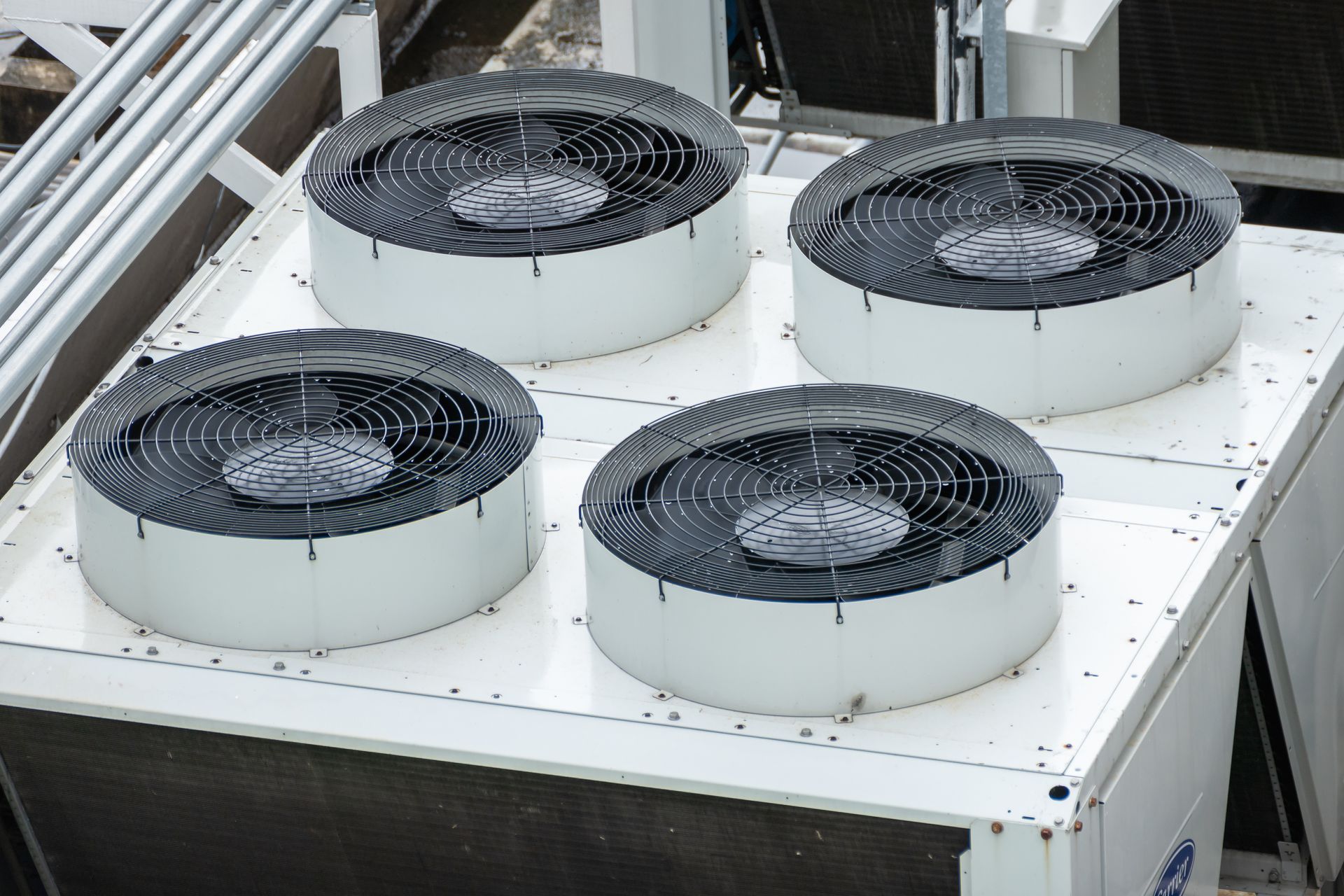
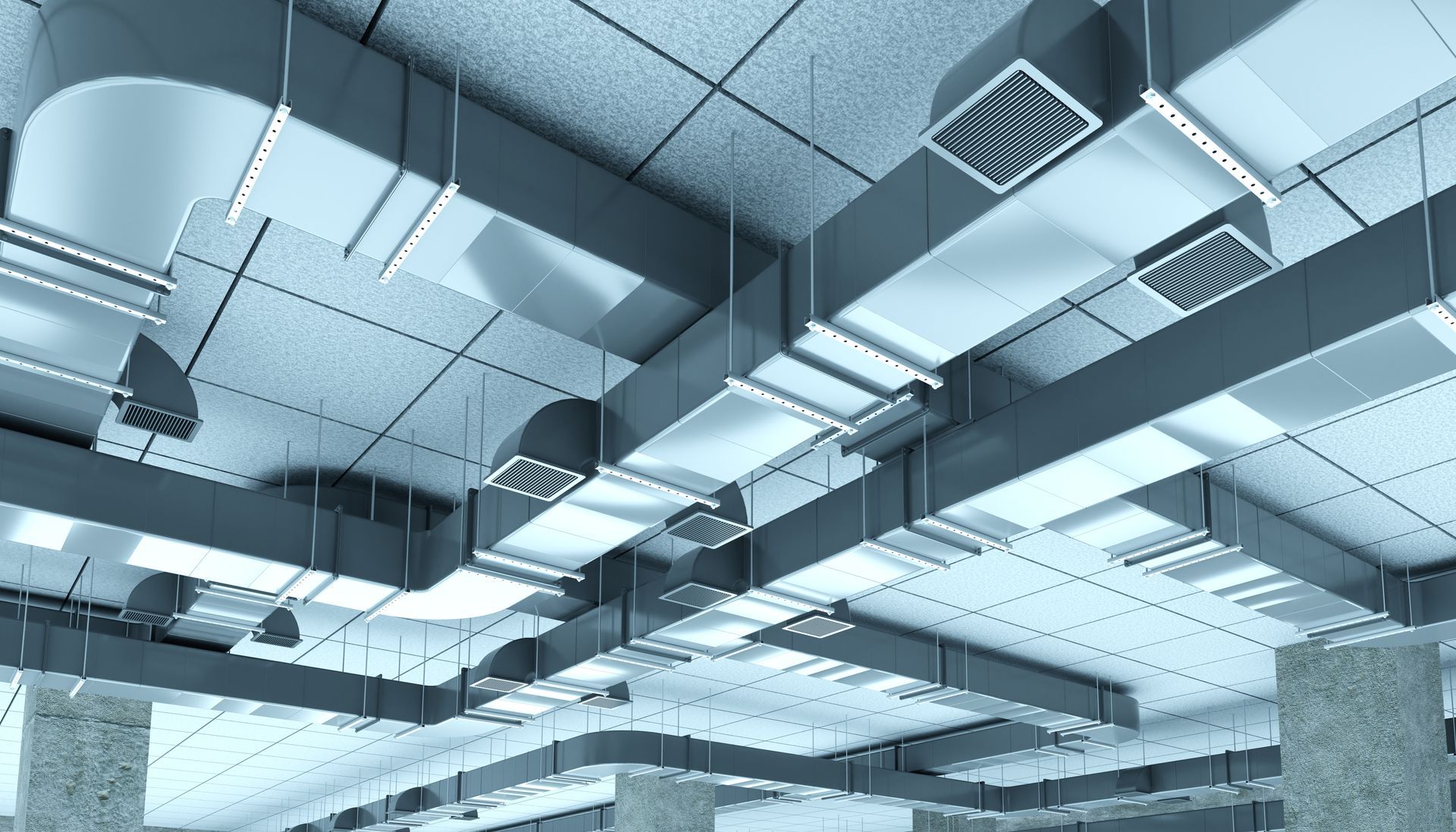
Not all HVAC issues show up as hot and cold complaints. In many commercial buildings, especially those with open ceilings or shared walls, noise becomes the first sign that something’s off. A loud rooftop unit, rattling ductwork or persistent humming might seem harmless at first, but over time, these distractions can affect employee focus, customer experience and tenant retention.
HVAC systems don’t have to be silent, but when background noise turns into a regular source of irritation, it’s worth investigating. In some cases, mechanical problems are the cause. In others, the issue comes down to installation quality, airflow design or aging components.
Regardless of the cause, if people in your building are bothered enough to complain, it’s worth your attention.
Common Types of Problematic HVAC Noise
What counts as “excessive” depends on the space and the business. A sound that’s tolerable in a warehouse might be unacceptable in a law office or preschool. But some types of HVAC noise tend to create problems across most environments:
- Rattling or banging, which is often caused by loose panels, deteriorating fan blades or unstable rooftop unit mounts.
- Buzzing or humming sounds may indicate failing electrical components like contactors or transformers, and the vibration could be transferring through walls or ceilings.
- High-pitched squealing, which usually indicates motor bearing wear or a slipping belt.
- Whooshing or whistling airflow can result from undersized or restricted ducts, improperly sealed fittings or airflow imbalance.
- Frequent cycling sounds may create disruptive audio spikes multiple times per hour.
Even if these sounds aren’t accompanied by a decrease in system performance, they may still interfere with productivity and comfort.
Noise Matters in All Types of Commercial Spaces
In shared office spaces, schools and medical environments, sound travels. It doesn’t take much additional HVAC noise for occupants to notice or comment on the disruption.
- In offices, constant rattling, high-pitched fan sounds or the added distraction of short cycling can make it harder for employees to concentrate or conduct calls. Over time, this contributes to fatigue and frustration.
- In tenant-occupied spaces, noise complaints may show up as part of lease negotiations or satisfaction surveys. If tenants perceive that HVAC issues are being ignored, it can impact retention.
- In customer-facing businesses, visitors may associate buzzing, groaning or duct vibration with poor maintenance or low quality, even if comfort levels are fine.
If tenants or customers are complaining, it may be worth your time to look into the root cause and solutions.
When HVAC Noise Signals a Bigger Problem
Not all noise is urgent, but certain patterns are worth acting on before they turn into more expensive service calls:
- A sudden change in volume or sound type (e.g., from low hum to grinding)
- Complaints from occupants paired with airflow or temperature inconsistencies
- A noise that occurs more frequently, such as short cycling every few minutes
- Signs of metal-on-metal contact, like rattling ducts or scraping fan blades
If you’ve ruled out external causes and the noise seems to originate from the system itself, it’s time for a technician to take a closer look.
How Tom’s Commercial Can Help Reduce HVAC Noise and Improve Comfort
If your building’s HVAC system is creating more background noise than it used to, or if tenants and employees are starting to complain, we can help. Tom’s Commercial offers expert diagnosis of noise-related HVAC issues, including:
- Mechanical inspections to identify loose or degraded components
- Ductwork evaluations to pinpoint airflow imbalances or pressure problems
- Zoning and controls checks to reduce excessive cycling or strain
- Recommendations for acoustic improvements that don’t require system replacement
- Ongoing maintenance plans that prevent small problems from becoming noisy disruptions
You don’t have to live with a system that sounds like it’s struggling. If HVAC noise is affecting productivity, comfort or your tenants’ perception of the building, give Tom’s Commercial a call at 817-857-7400.