What to Do When a Single Zone Is Too Hot or Too Cold in a Commercial HVAC System
Share

It’s a common problem in commercial buildings: one zone is constantly too hot or too cold while the rest of the building stays comfortable. It could be a storage area, a corner office, or a conference room that never seems to reach the right temperature no matter how long the cooling system runs. These kinds of problems are often more than just comfort issues. They point to larger problems with airflow, zoning or equipment configuration.
Airflow Imbalance
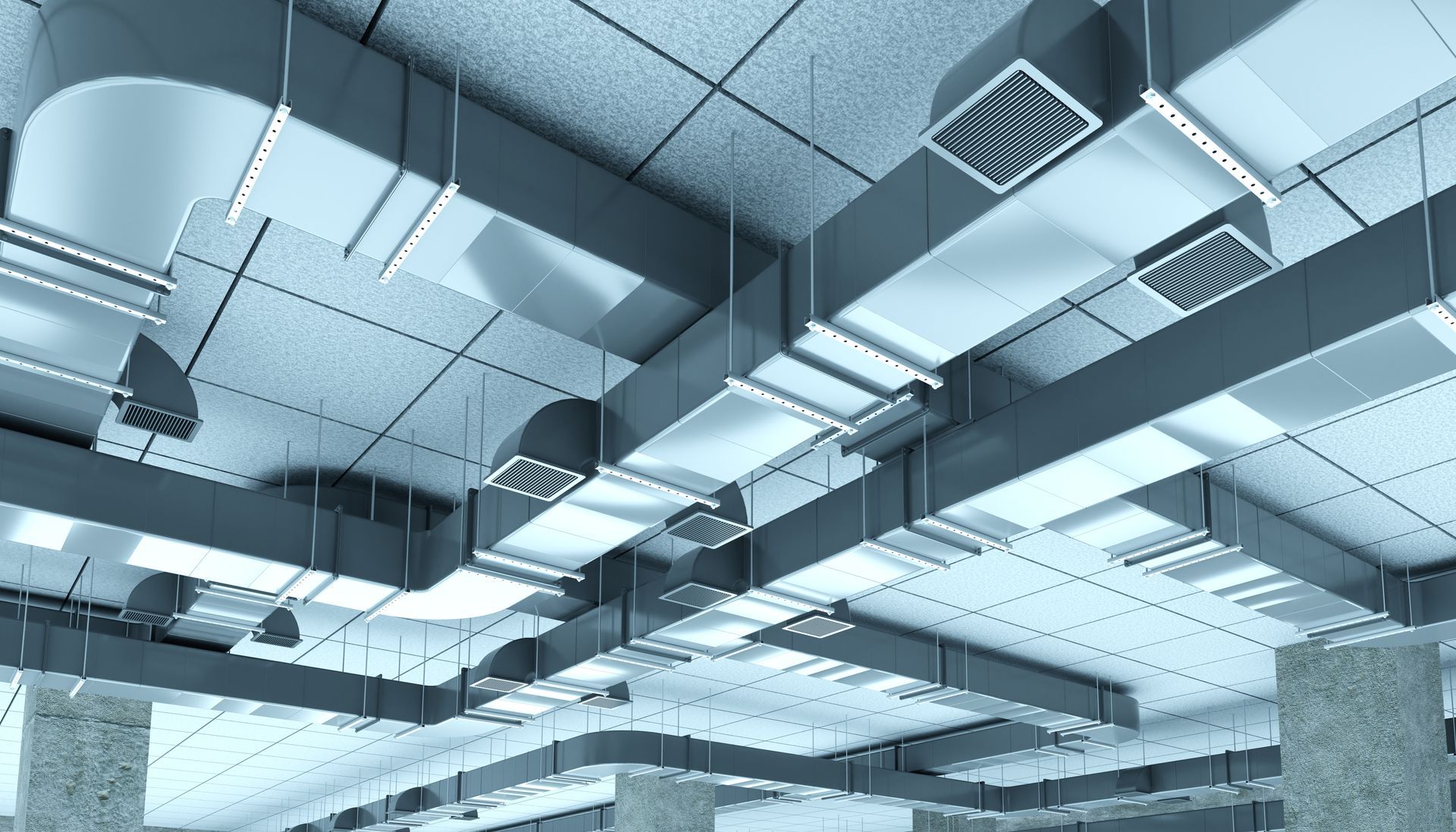
A damper might be stuck open or closed, or a duct branch may have come loose, restricting airflow into one part of the building. In zoning systems, a single damper failure can throw off the temperature in an entire wing. Because dampers are in ductwork and ductwork is often hidden in drop ceilings or mechanical spaces, diagnosing a problem with one can be tricky. A technician can measure airflow and pressure to identify whether the zone is getting what it should.
Thermostat Issues
A malfunctioning or poorly placed thermostat can easily throw off temperature control in a single zone. If the thermostat is located near a heat source, drafty door or in direct sunlight, it may be misreading the room’s true temperature and telling the system to turn on or off at the wrong time. For example, a thermostat on an east-facing wall in a conference room with a big window might have its reading thrown off in the morning.
Outdated thermostats can also struggle to communicate properly with the rest of the HVAC system, especially in older zoning setups where multiple zones share a controller.
Sensor Failure
Some larger commercial HVAC systems rely on remote temperature sensors instead of wall-mounted thermostats. When one of these sensors fails or falls out of calibration, it can send inaccurate temperature readings back to the central controller. The system thinks the room is warmer or cooler than it really is, which leads to improper cycling or dampers opening and closing at the wrong time. These types of failures can go unnoticed for weeks unless someone flags the temperature issue in the affected area.
Filter or Vent Blockage
If air can’t circulate properly in or out of a zone, that space will always lag behind the rest of the building. Blocked return vents, dirty supply registers or an overloaded air filter can all reduce airflow. This is one of the easier problems to check, which is good since it’s also one of the most common and overlooked issues.
Even a mostly clean filter can become restrictive when airflow is marginal or when a zone is located farther from the central unit.
Duct Sizing or Insulation Problems
Ductwork that’s too small, runs too far or lacks proper insulation will lose temperature before the air ever reaches the vent. This is especially common in older commercial buildings where duct runs have been extended during renovations, or where a system was never fully redesigned after a tenant improvement.
A room at the end of a long, uninsulated duct in the summer might receive cool air that’s already warmed up by the time it gets there.
What You Can Do Right Now
If you’re dealing with one zone that never seems to match the rest of the building, there are a few simple checks to try before calling in a technician:
- Make sure vents and returns aren’t blocked by equipment, shelving or furniture
- Change the air filter if it’s dirty or hasn’t been replaced in the past few months
- Confirm the thermostat or sensor in that zone isn’t exposed to unusual heat, cold drafts or direct sunlight
- If the issue is recent, consider whether any layout or occupancy changes may have affected the zone’s airflow or insulation needs
How a Commercial HVAC Technician Can Diagnose the Problem
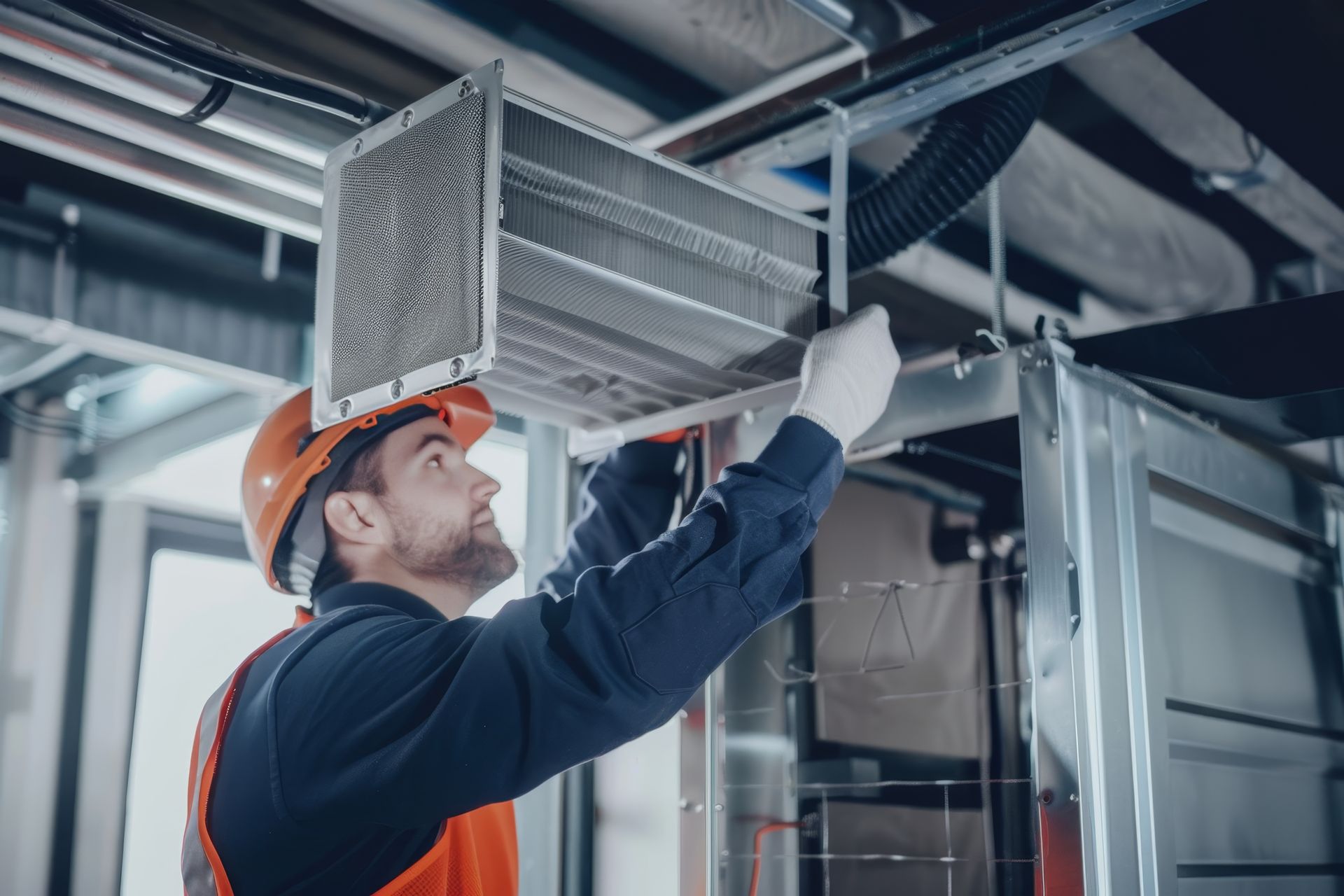
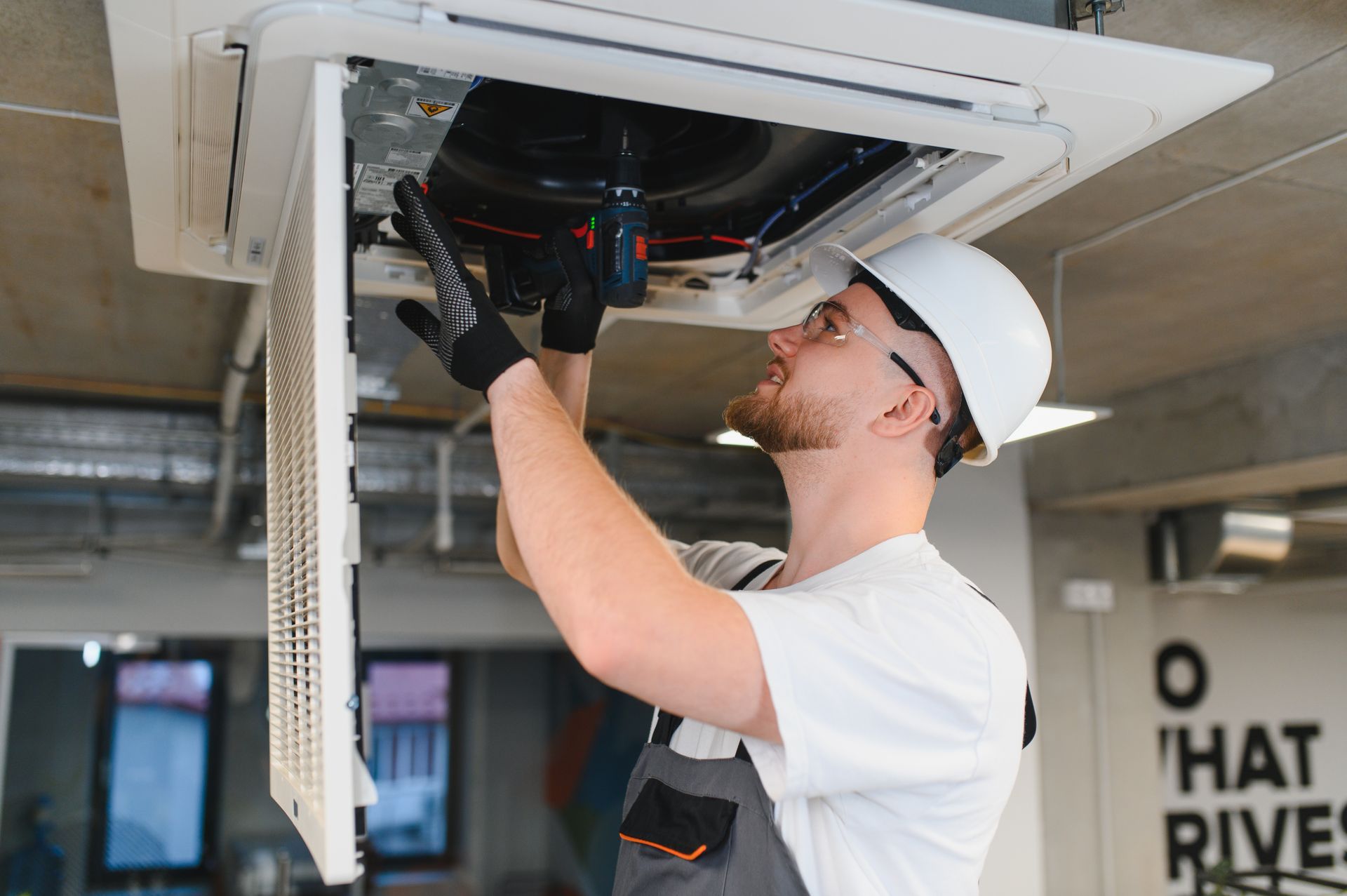
A commercial HVAC technician can inspect the zone’s ductwork, damper operation, thermostat performance and system response to determine what’s going wrong. Sometimes the problem lies in something simple, like a loose wire or failing actuator. Other times, it may require a more in-depth fix such as rebalancing duct branches or upgrading components in a legacy zoning system.
Either way, a targeted inspection can help avoid wasting money on system-wide overhauls when the issue is isolated.
Get a Solution for Uncomfortable Zones in Your Arlington Building
One bad zone doesn’t mean you need to replace your whole HVAC system, but it does mean it’s time to take a closer look. Tom’s Commercial provides HVAC diagnostics and zoning system repairs for commercial buildings throughout the Arlington and DFW area. If you're struggling with inconsistent comfort in part of your building, we’ll help you identify the issue and recommend the right fix.
Call 817-857-7400 today to schedule a service visit and get your system back in balance.