What Facility and Regional Managers Should Look for in a Commercial HVAC Company
Share

Choosing the right HVAC partner isn’t just about fixing problems; it’s about avoiding them in the first place. For facility and regional managers juggling multiple responsibilities, HVAC should be low-touch, consistent and professionally managed. If you’re considering a switch from your current provider, here’s what to prioritize.
Consistency From One Visit to the Next
One of the most common frustrations managers experience with their commercial HVAC company is having to re-explain the layout of their building every time a tech shows up—where the ladder is, which breaker controls which unit and so on.
A reliable HVAC partner will document all of this up front and keep it on file. At Tom’s Commercial, our techs show up with maps, notes and photos so they know exactly where to go and what to do. We don’t need handholding and take pride in offering dependable, unobtrusive service.
Experience With Commercial-Scale Challenges
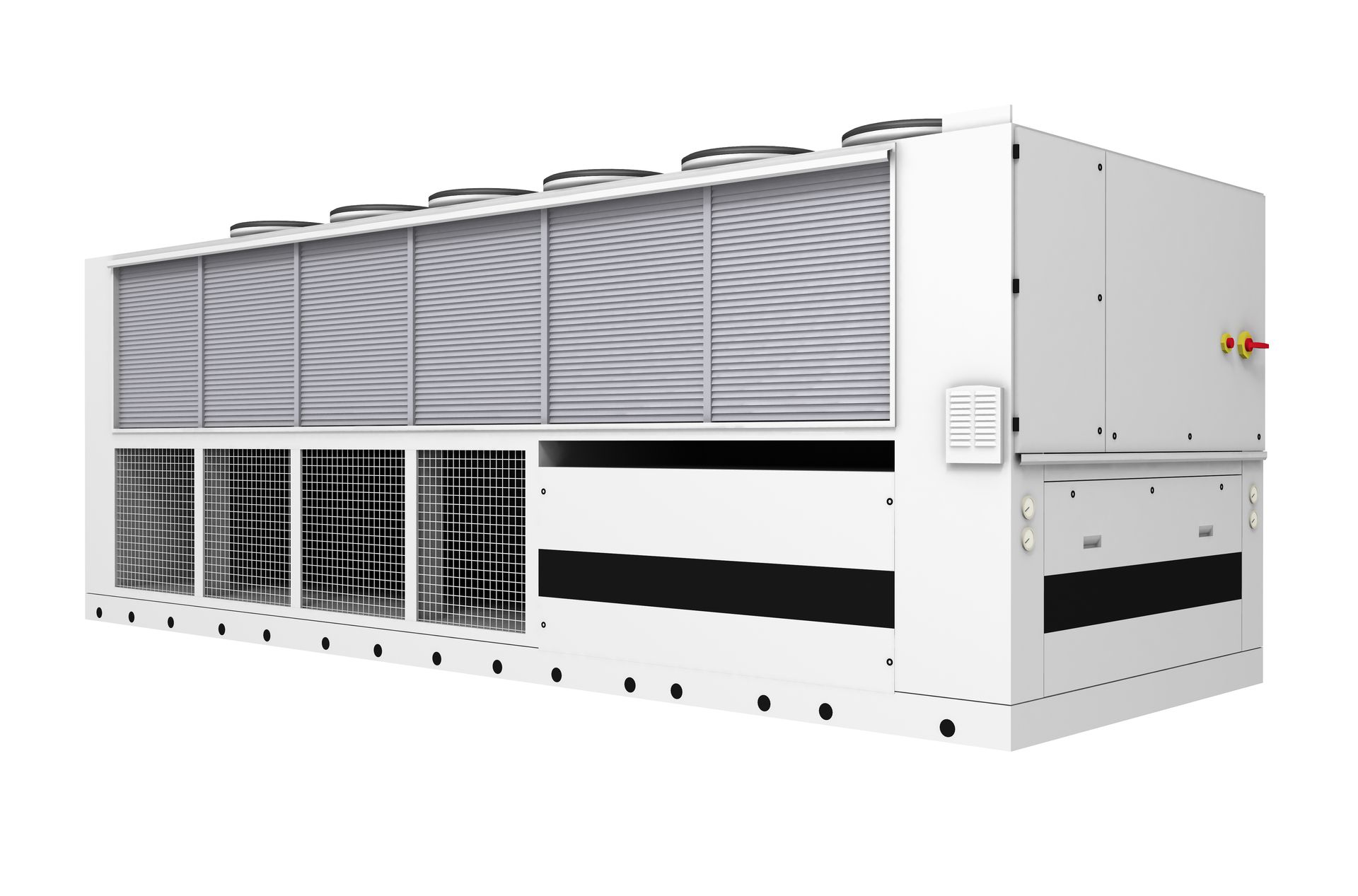
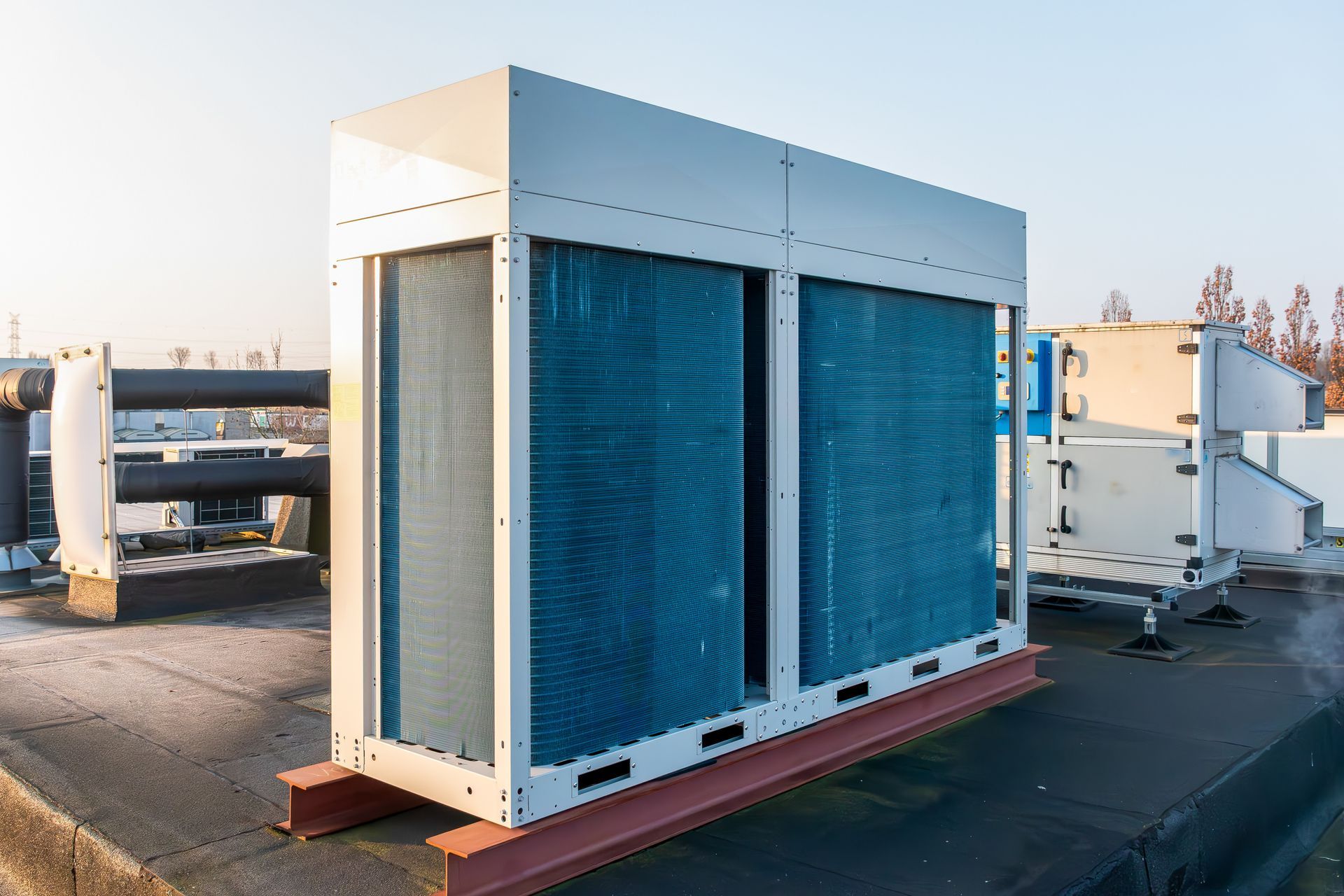
Not all HVAC contractors are built for large-scale commercial jobs. You need a company with proven experience servicing large properties, coordinating with facility managers and working within commercial infrastructure. From rooftop units and zoning issues to airflow complaints and duct layout fixes, they should already be familiar with the problems you're facing. No facility manager wants to pay a company to learn on their dime.
Follow-Through and Accountability
A lot of managers come to us after dealing with companies that promised great service but failed to follow through. Maybe the maintenance team only showed up once or twice during the past year despite charging for quarterly service. Maybe they left used filters or scrap on your property’s roof where they assume you’ll never look. A good HVAC company keeps its word, cleans up after itself and shows up when scheduled—without cutting corners.
Custom Service Plans That Actually Fit
Commercial buildings aren’t all the same, and your service plan shouldn’t be either. Look for a provider that can tailor maintenance schedules and services to match how your building is used. For example, an industrial facility might need frequent filter changes due to airborne particulates, while a school campus might require service that works around academic schedules. Flexibility and attention to detail are key.
Smart Problem-Solving, Not Just Parts Swapping
When something goes wrong, you don’t just want a diagnosis—you want options. A reputable and dependable commercial HVAC provider should approach issues with critical thinking and creativity.
On one recent repair job, we helped a property owner who was told by another company that they’d need a helicopter to install a new rooftop unit—at a cost nearly twice the price of the unit itself.
Our team determined we could use a long-reach forklift from a neighboring parking structure to get the new unit up to the roof, completing the job safely and cost-effectively without the added expense.
Creative thinking can make a huge difference in both budget and outcome—especially when space is tight or access is limited.
Professionals You Don’t Have to Babysit
The best commercial HVAC companies understand that managers don’t want to micromanage contractors. Look for providers that will stick to their commitments without needing constant oversight. We’re committed to working around your schedule, cleaning up after ourselves and adjusting our services to your facility and use requirements.
Scalable for Multi-Site Management
If you oversee multiple buildings, your HVAC company should be able to service them all while maintaining consistency. That includes shared documentation, informed tech teams and centralized reporting—so you’re not juggling six different points of contact.
Knowledge of Codes, Compliance and Quotes
Property and facility managers are often required to get multiple quotes before choosing an HVAC company for system replacement. For some, this step is more of a formality, since they already assume they know which company they’re going to choose from the start. Our team at Tom’s Commercial would appreciate the opportunity to earn your business.
We’re committed to showing Arlington and DFW-area businesses what it’s like to work with someone who understands how to navigate that process and provides transparent, easy-to-compare estimates. You may find that our commercial HVAC installation team has creative solutions others missed.
Call us at 817-857-7400 to learn more, schedule a quote or request service.