Should I Get an Air Quality Test Done at my Business?
Share
Should I Get an Air Quality Test Done at my Business?
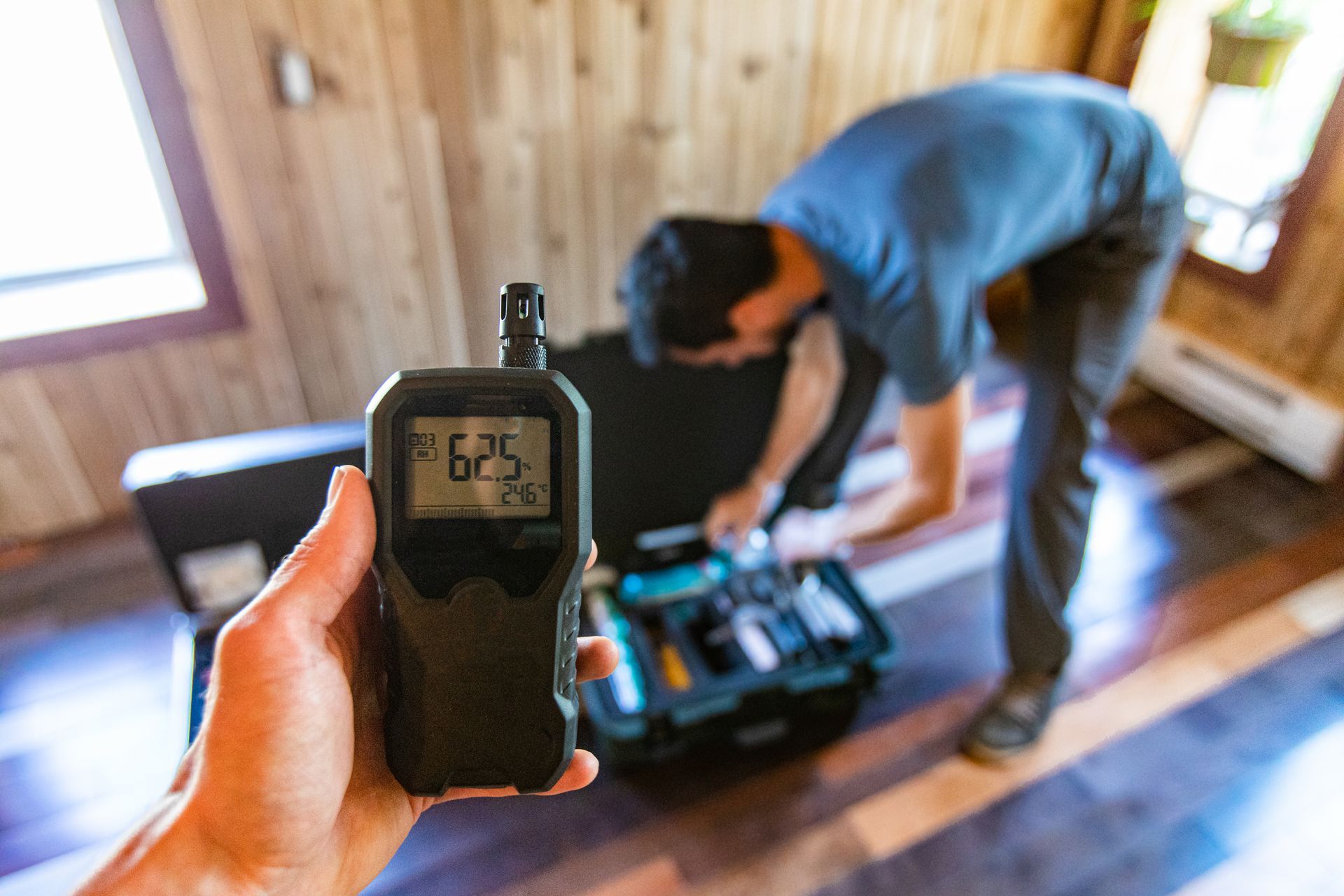
If you want to take preventative measures against potential indoor air quality threats, then it's a good idea to have an indoor air quality test performed. Indoor air quality tests can identify potential biological, chemical or combustible gas pollutants in the air.
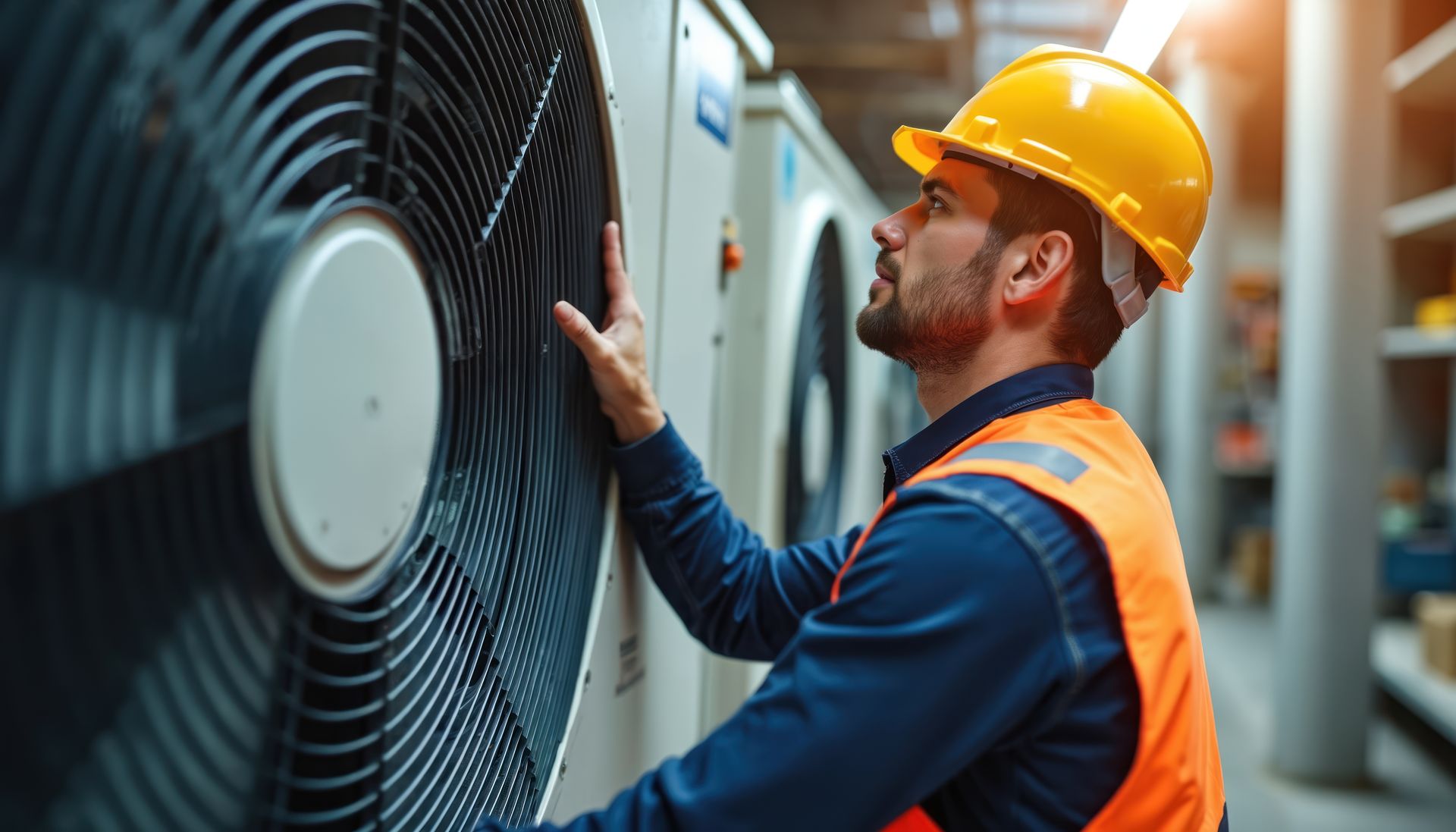
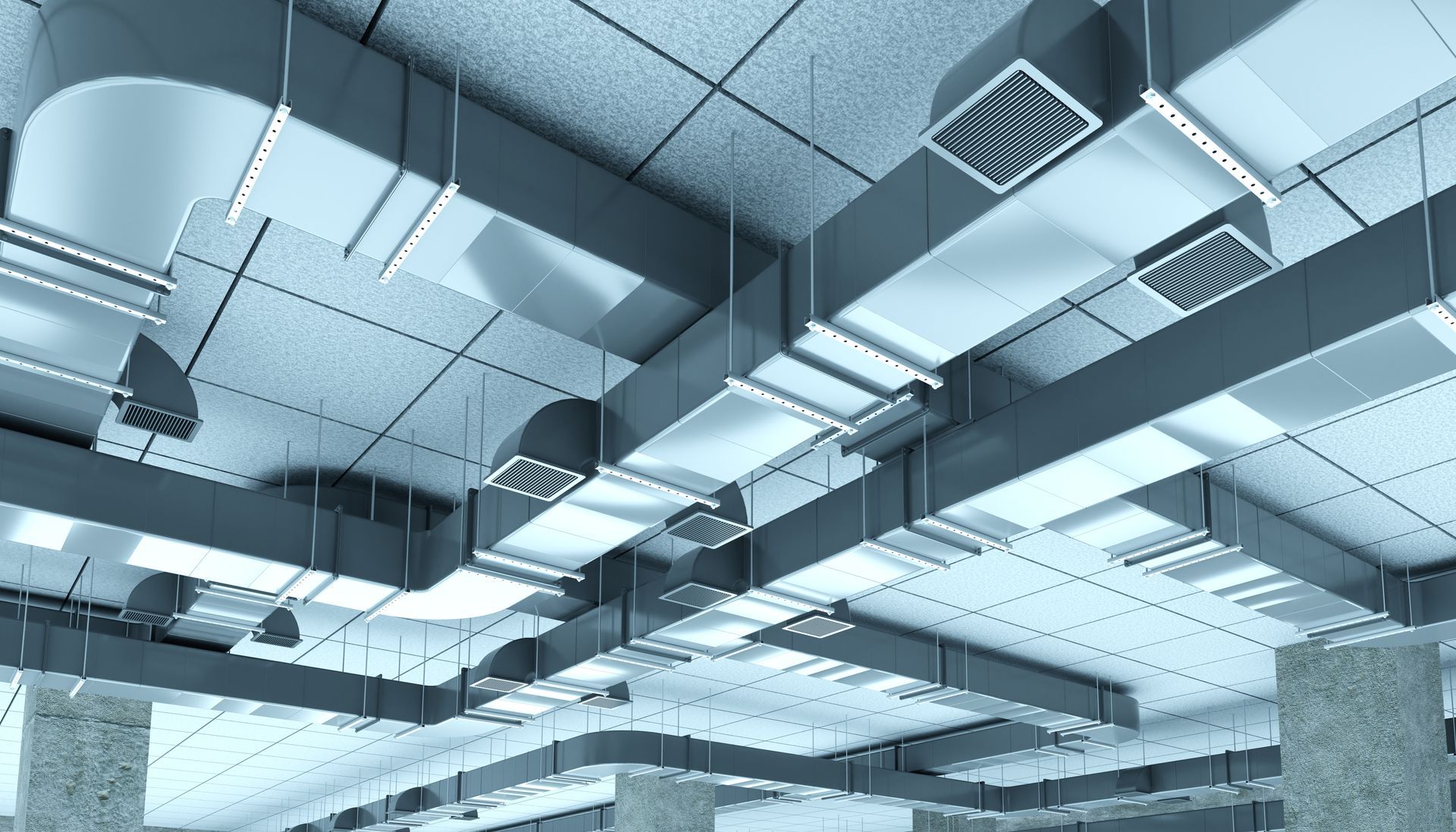
There are many reasons that your indoor air quality may be declining, but it can be difficult to get to the root of these issues without a professional HVAC servicer to inspect your business thoroughly.
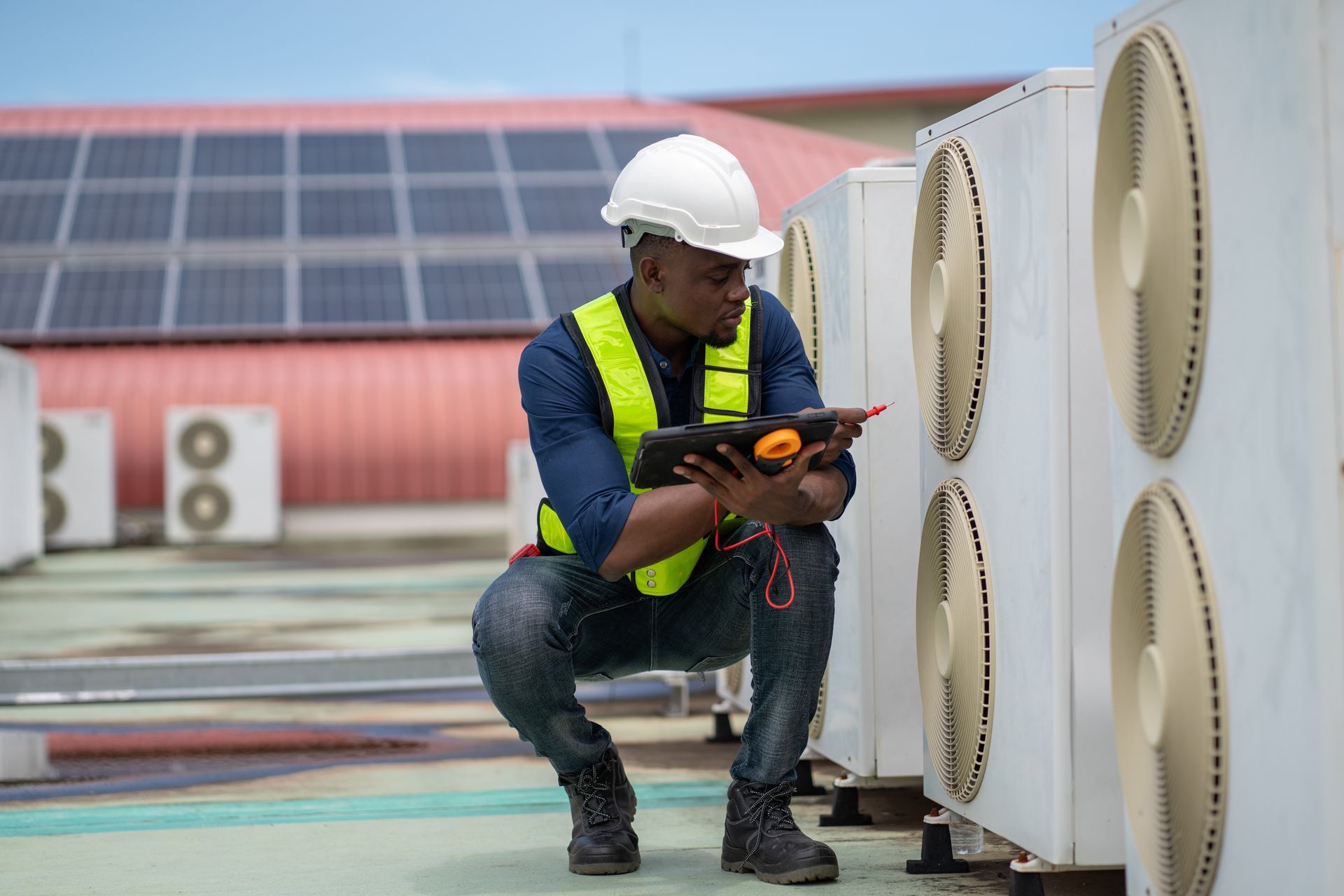
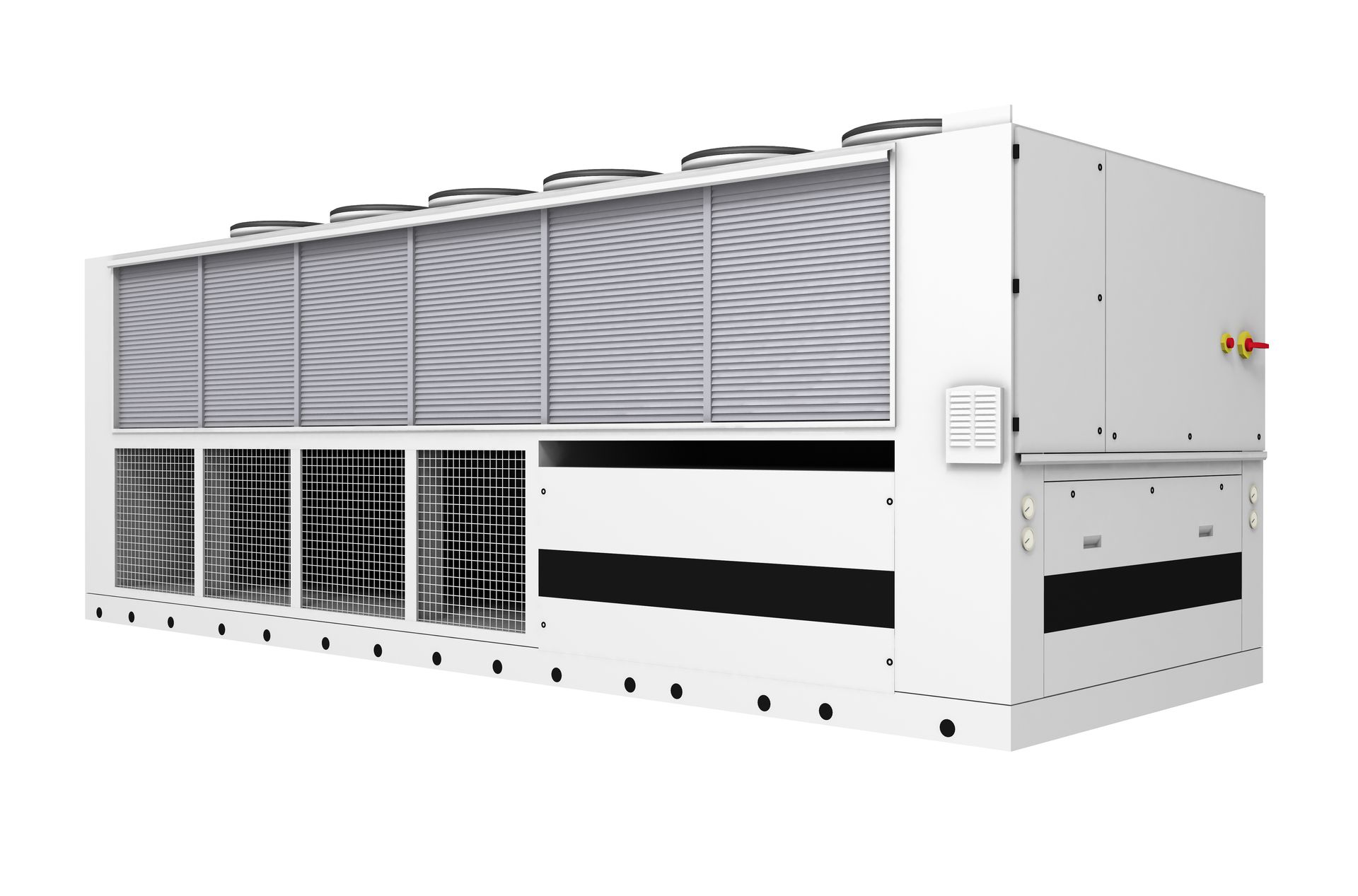
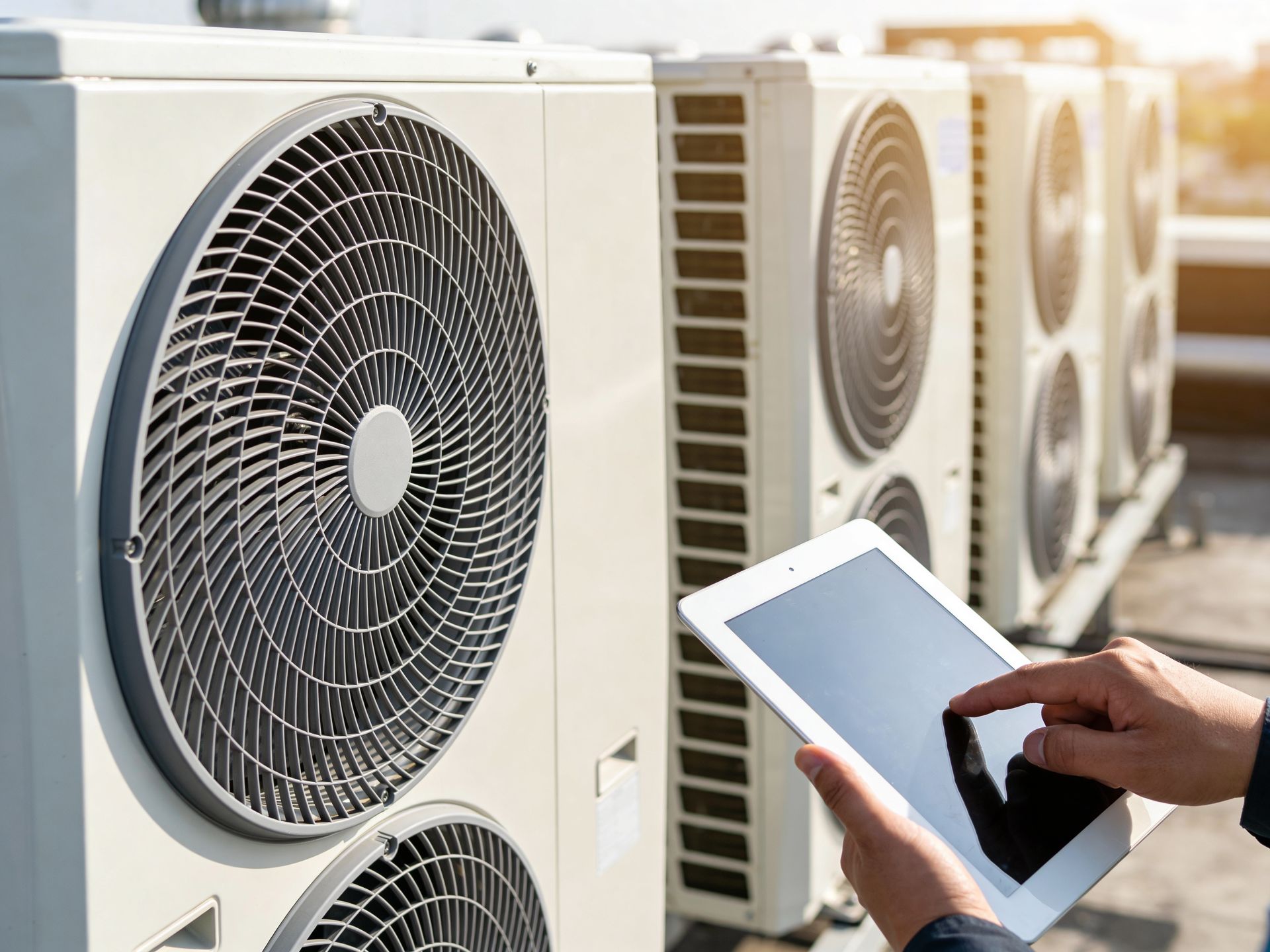
In addition to an indoor air quality test, you may benefit from an HVAC inspection and an assessment of your current IAQ equipment, as some pollutants may be attributable to a malfunctioning or inefficient HVAC unit that is not filtering out contaminants properly.
The quality of the air in your business has an impact on your employees, customers and your reputation. An indoor air quality test can give you peace of mind about the safety of your environment, so it is worth the investment for your business.
Reasons to Schedule an Indoor Air Quality (IAQ) Test
Indoor air quality testing can help you measure any risks that might be in your air that could pose a hazard to patrons and workers. You can’t see harmful levels of pollutants, and in many cases, you can’t smell them either. Just because gasses or allergens are odorless does not mean their impact is insignificant.
Indoor air quality tests can help identify potential:
- VOCs (volatile organic compounds)
- Mold spores
- Toxic gasses like formaldehyde or carbon monoxide
- Allergens
- Dust, dander and small debris
The risk of biological, chemical and combustible gas pollutants may jeopardize your business if they begin to harm customers. In addition to opening your business up to liability, illnesses linked to your building can damage your reputation among local consumers and job seekers.
By investing in indoor air quality testing for your business, you can prevent pollutants in the air from causing more serious issues down the line. You can’t solve a problem that you’re not aware of, which is why early testing can be crucial.
Benefits of Indoor Air Quality Testing
Take Preventative Measures Against Potential Contaminant Threats
Pollutants can build up and have a cumulative negative impact on your business if they remain unnoticed. They're not visible to the naked eye, are often odorless and they may not cause any symptoms until there's a major issue. Pollutant pathways and contaminant sources may be difficult to identify without proper air sampling, but once that's done, you will be on track to making your workplace a much safer environment.
Improve Workplace Conditions for Your Employees and Customers
Safer air quality means it's a healthier environment for those who visit your business. Your sales and reputation will suffer if people don't feel safe entering your building. Improving the workplace by ensuring pure air quality can ensure pollutants don’t hinder your business success.
Healthy employees who don’t need sick days due to allergies or illnesses are also better for your bottom line. A worker who is constantly suffering from watery eyes and a runny nose because of allergens in the workplace will be less productive.
Maintain Indoor Air Quality with Regular HVAC Servicing
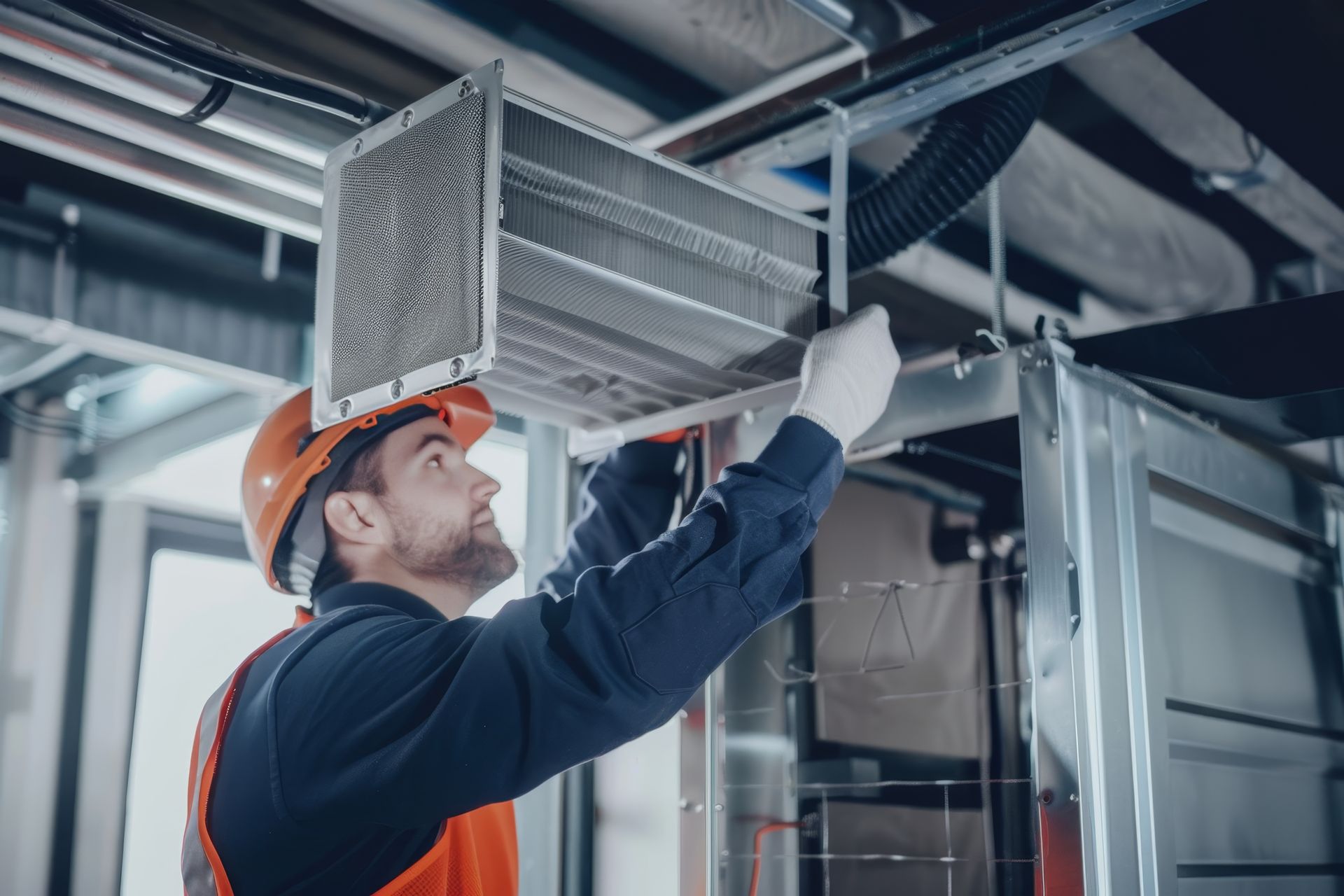
Sometimes, pollutants can be traced back to a malfunctioning or under-serviced HVAC system. If this is the case, having indoor air quality testing performed at your business can help to expose HVAC issues that need to be addressed. Regular service can help to make sure your air filtration system is working properly, which keeps pollutants from building up within the environment.
Signs of Poor Air Quality at Work in Arlington, Texas
An indication that you may need to look into the air quality of your business is the state of the people spending time within your building. You may notice more complaints of allergies or breathing issues than usual, or employees and customers may begin exhibiting similar health issues that appear to have no other cause or commonality other than being in your building.
Signs that may indicate poor air quality include:
- Complaints of headaches
- Worsening allergy symptoms
- Burning sensation in nasal passages
- Odd smells
The causes of compromised air quality can vary from ventilation issues to contaminants like asbestos within the walls. Air is constantly being filtered via your HVAC system. The presence and buildup of contaminants may indicate there is some issue in that process.
Commercial Indoor Air Quality Solutions for Arlington Businesses
If you’re concerned about the quality of the air in your commercial property or need a checkup for your commercial HVAC system, Tom’s Mechanical Commercial is here to help. We’ve been Texas’s trusted HVAC technicians for over 60 years and can help you find the best solutions for your commercial space. To contact us for additional information, call 817.984.5779 today.