How Can I Figure Out How Many HVAC Units I Need for My Business?
Share
How Can I Figure Out How Many HVAC Units I Need for My Business?
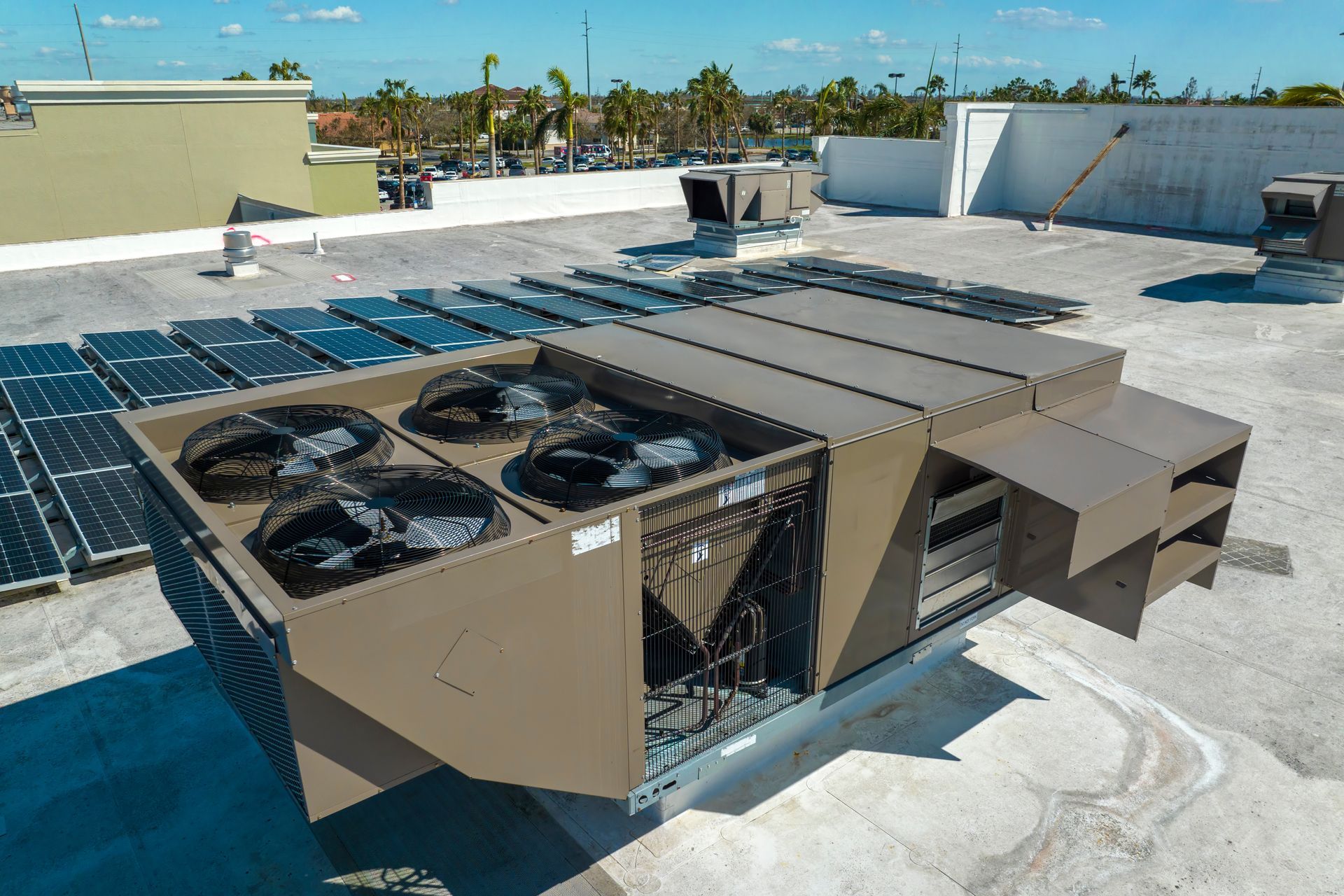
The number of HVAC units needed for your business will largely depend on the cubic footage of your space. However, volume is not the sole factor for determining how many HVAC units will be effective for heating and cooling your commercial space. Others include:
- The layout of your building
- How many windows it has
- How much traffic you receive
- Difference between indoor and outdoor temperature
- Insulation
It's important to have the correct HVAC capacity to adequately heat or cool your business on the hottest and coldest days in Arlington. There are often multiple ways to reach that threshold of temperature control. The number and size of your HVAC units will have a direct impact on how well they can heat or cool your space.
Having a single unit that is too small or having too few units will force them to work extra to maintain the temperature of your business, potentially leading to high energy costs and premature failure. An HVAC unit that is too large may waste energy, short cycle and fail to provide consistent temperature control.
To determine what size HVAC unit your building requires or the number of systems you need, you can use an HVAC load calculation. An HVAC load calculation will tell you how many BTUs (British thermal units) are needed to effectively air condition your space based on the amount of cubic footage available.
More precise calculations are possible with the help of professional HVAC installers like the ones here at Tom's Mechanical. When determining how many units you'll need for your business, we carefully evaluate the specifications of your building and any factors that may affect the efficiency of HVAC units in your space.
What Factors Influence HVAC Capacity Requirements?
A trained HVAC installer will be able to determine the baseline of your HVAC needs based on the cubic footage of your space (length x width x space).
Several factors ultimately affect how much HVAC power you will need. These can include:
- Ceiling height: Higher ceilings require more airflow to keep the business cool.
- Commercial building use: If there are higher volumes of people in the building during the day, your HVAC system will need to contend with significant body heat plus doors opening regularly and letting heated or cooled air out. In many commercial properties, the AC unit is running even when the building is not occupied. You’ll need to consider how much your HVAC units need to run when the building is both in use and not in use to determine how much power and how many units are required.
- Building insulation: A well-insulated building may be less susceptible to the temperatures outside, whereas a building that is poorly insulated may require more powerful HVAC units to maintain appropriate temperatures.
Leave it to a trusted Arlington HVAC installer to help you determine your exact commercial building HVAC needs. An expert in commercial temperature control can help you understand the building factors that may indicate whether you need more units or units that are better sized to keep up with your required temperature output.
What Is the HVAC Load Calculation?
An HVAC load calculation will show you the number of BTUs that are necessary for effective heating and cooling of your business. The formula outlines the base level of the HVAC capacity your building will require.
Factors that an HVAC system design and installation specialist will take into account when performing a load calculation include average occupancy (both customers and employees), number of doors and windows, peak traffic and cubic footage (square feet x ceiling height).
Commercial HVAC Installers in Arlington, TX
Determining the number and size of the HVAC units your business needs can be difficult, so leave it to the experts at Tom’s Mechanical Commercial. Our commercial HVAC installers will recommend the most effective solution for your business so that you walk away with a cost-efficient solution that meets all your needs. To schedule a commercial installation estimate, call us today at 817.984.5779 or contact us online.