What Are Some of the Most Common Problems that Cause Poor Ventilation?
Share
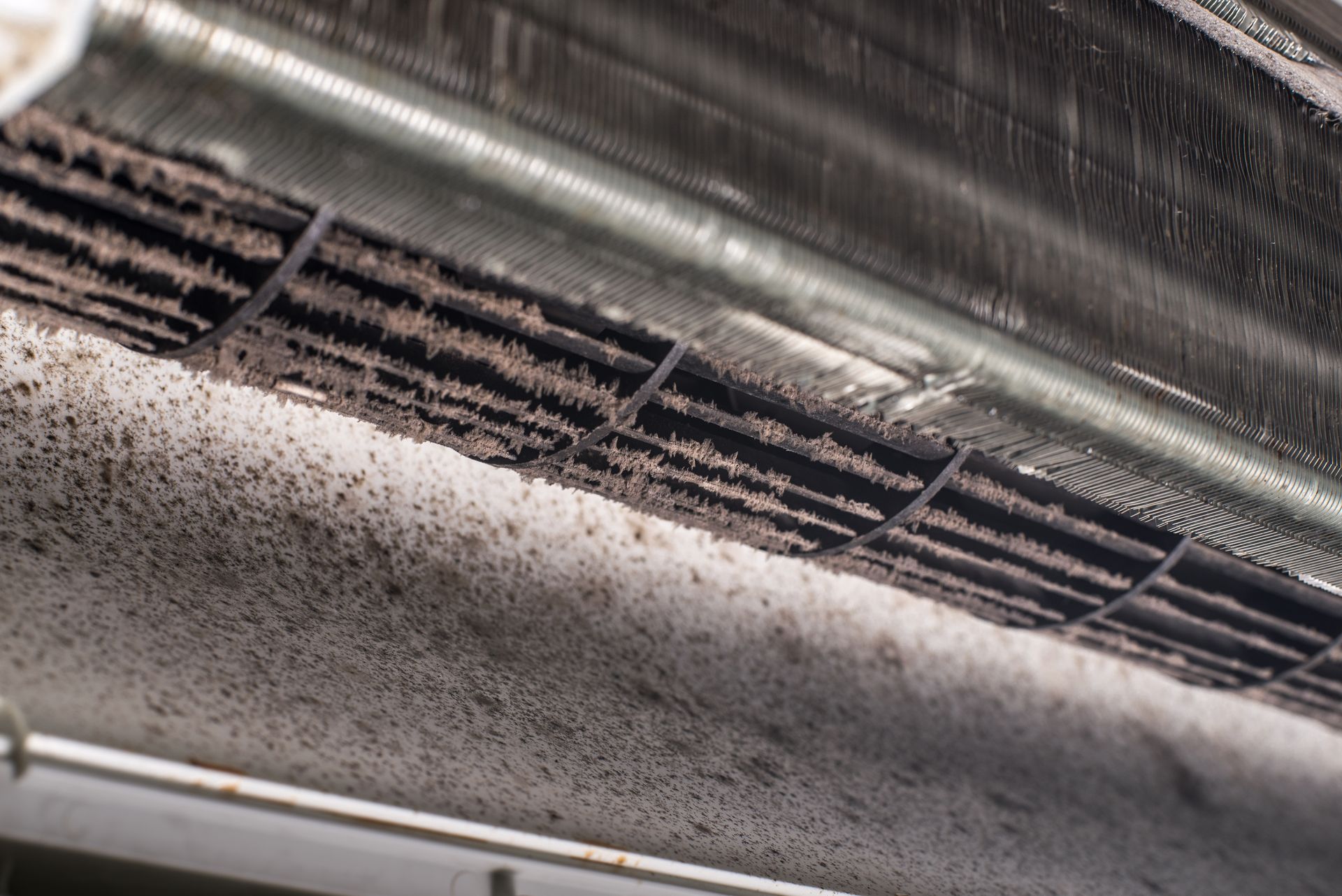
Adequate ventilation plays a significant role in maintaining good indoor air quality by exchanging stale air with fresh outdoor air. On the other hand, poor ventilation can lead to a range of issues, including stuffy rooms, persistent odors, increased humidity and even potential health concerns.
If you’re an Arlington business owner, it’s important that you maintain adequate ventilation in your commercial space by regularly inspecting your vents and scheduling annual maintenance for your HVAC system.
Common Problems that Cause Poor Ventilation in Commercial Spaces in Arlington, TX
Blocked or Obstructed Vents
Blocked or obstructed vents are a common culprit behind poor ventilation. Accumulated dust, debris or furniture blocking the vents can restrict the flow of air, resulting in inadequate ventilation.
Remedy: Regularly inspect and clean all vents to ensure they are free from obstructions. Move furniture and objects away from vents to allow unobstructed airflow. Consider using vent covers to prevent dust and debris buildup.
Inadequate Ventilation Design
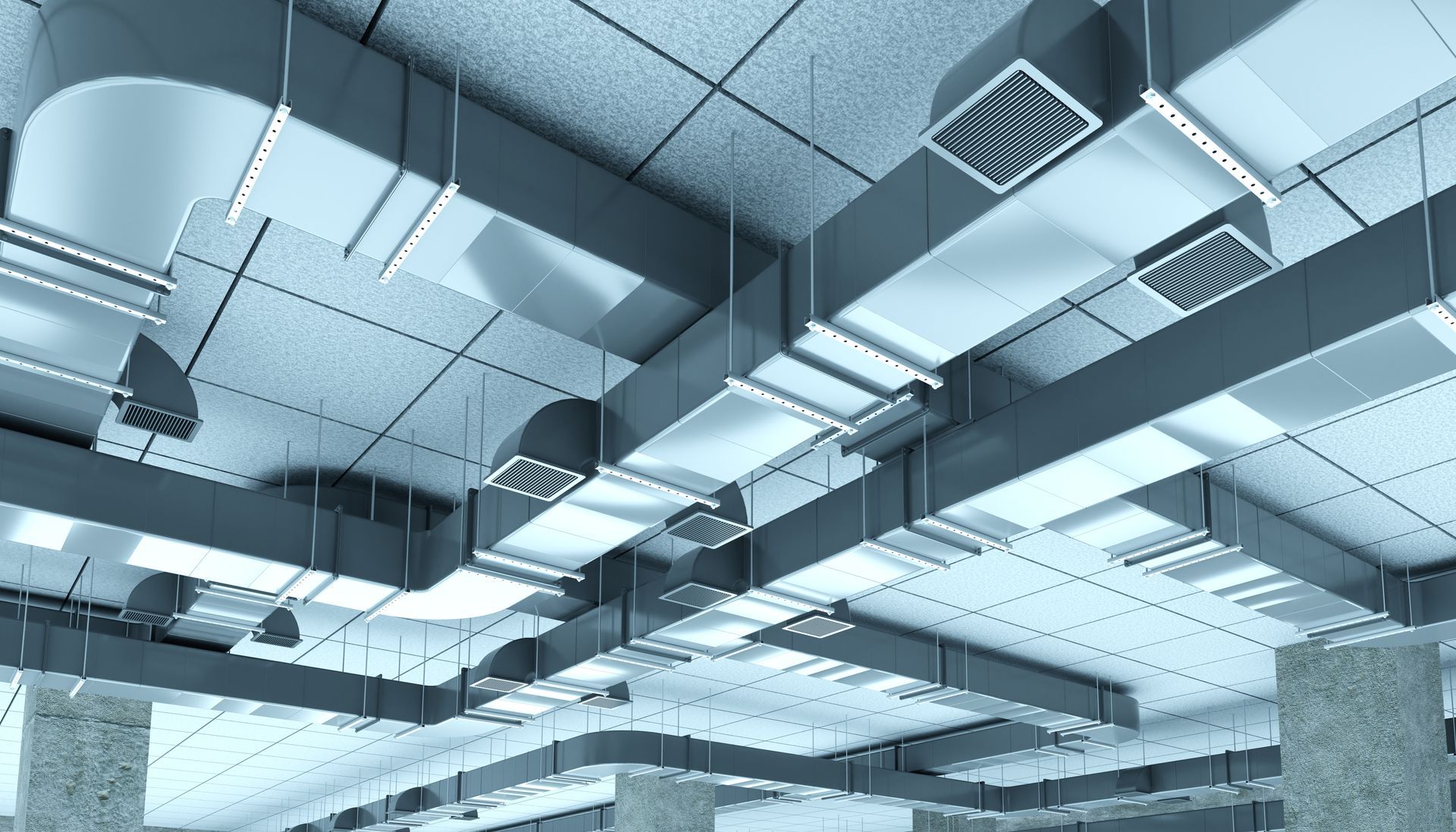
Sometimes, poor ventilation can be attributed to a flawed or inadequate ventilation system design. Insufficient airflow due to improper duct sizing, lack of ventilation outlets or inadequate supply and return airflow balance can hinder the effectiveness of the system.
Remedy: Addressing inadequate ventilation design is crucial to mitigate these air circulation challenges and improve indoor air quality. The HVAC specialists and ventilation engineers at Tom’s Commercial can help identify and rectify design flaws. Potential solutions may include adjusting ductwork, upgrading ventilation systems or implementing proper airflow balancing techniques.
Improperly Sealed Windows and Doors
Leaky windows and doors can contribute to poor ventilation. These gaps allow outdoor air to infiltrate, disrupting intended airflow patterns and leading to compromised ventilation.
Remedy: Inspect windows and doors for any gaps or cracks. Weatherstripping and caulking can help seal these openings, preventing unwanted air infiltration. Expanding foam sealant can also be used to fill larger gaps or spaces around windows and doors. These products expand when applied to provide a tight seal, reducing air leakage and enhancing insulation properties.
In cases of severe leaks or aging windows, consider investing in energy-efficient windows that offer better insulation and airtightness.
Clogged or Dirty Air Filters
Dirty or clogged air filters can impede the airflow in HVAC systems, reducing ventilation efficiency. Restricted airflow leads to poor air circulation and compromises indoor air quality.
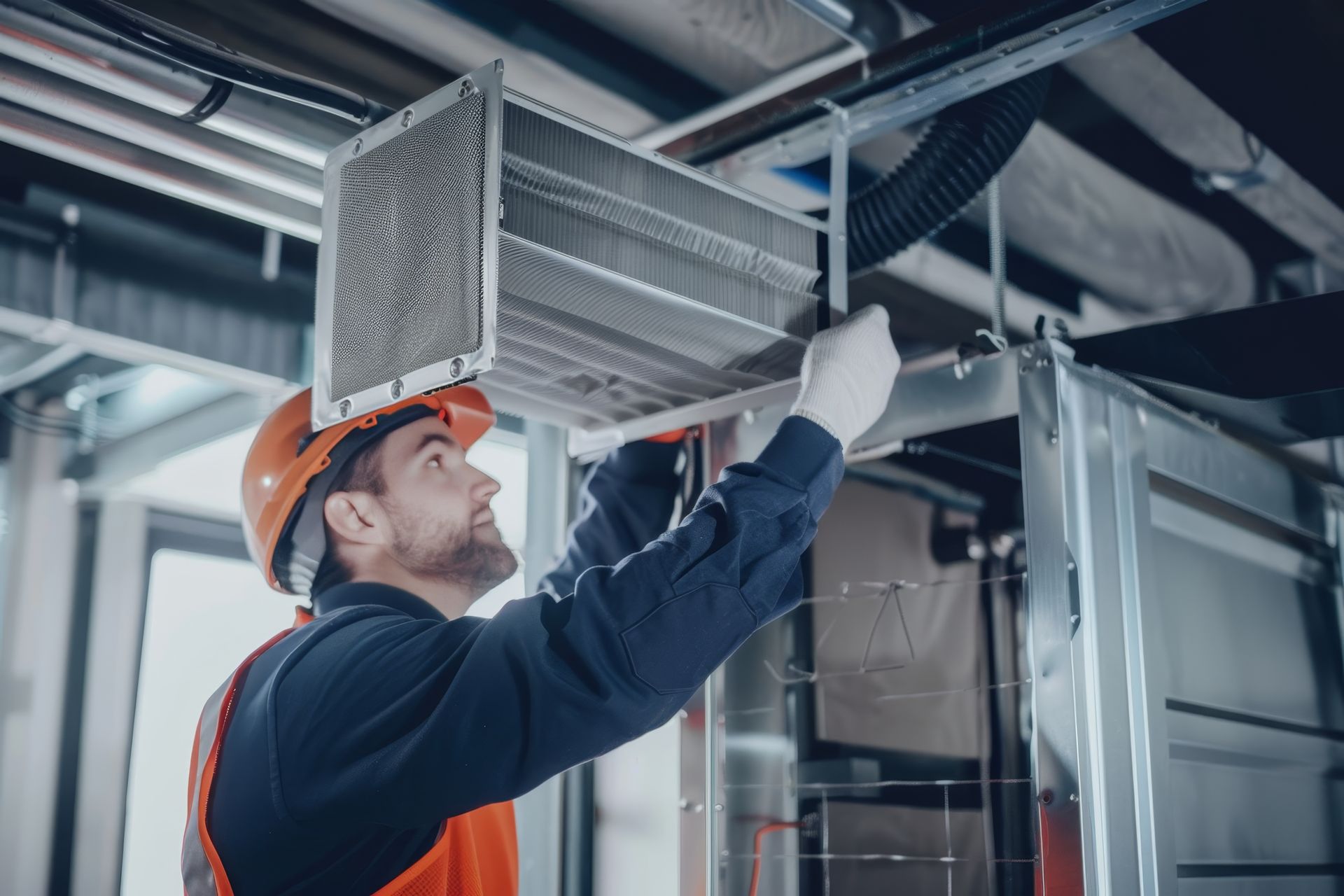
Remedy: Check and replace air filters every three months or as recommended by your HVAC professional. Clean filters ensure optimal airflow, prevent the accumulation of dust and debris and promote better ventilation.
Inadequate Exhaust Ventilation
Insufficient exhaust ventilation in specific areas, such as kitchens and bathrooms, can result in poor overall air distribution. Without proper exhaust mechanisms, moisture, cooking fumes and odors may linger, leading to a less-than-pleasant indoor atmosphere and even potential health hazards.
Remedy: Install or upgrade exhaust fans in areas prone to high humidity or strong odors. Ensure the exhaust fans are appropriately sized and vented to the outdoors to effectively remove pollutants and maintain proper ventilation. In areas where there may be inadequate ventilation like kitchens, bathrooms and laundry rooms, consider installing additional exhaust fans. Place the fans strategically to ensure optimal air circulation and removal of contaminants.
Improperly Balanced HVAC System
An HVAC system that is improperly balanced can unevenly distribute air, causing some areas to receive inadequate ventilation while others experience excessive airflow.
Remedy: You’ll need to engage an HVAC professional to assess and balance your HVAC system. By adjusting dampers, air registers and fan speeds, you can ensure balanced airflow throughout your space, promoting optimal ventilation and comfort.
Avoid Poor Ventilation and Its Negative Effects on the Health of Your Building’s Occupants with Regular HVAC Maintenance from Tom’s Commercial Inc.
At Tom’s Commercial, our HVAC specialists are dedicated to ensuring that the HVAC system in your Arlington business is operating efficiently and providing adequate ventilation. With our regular HVAC maintenance services, we can identify and address any issues that may be hindering proper ventilation in your business.
Our team will thoroughly inspect your HVAC system, including the ventilation components, to ensure they are clean, free from blockages and functioning optimally. We will check the condition of air filters, clean or replace them as needed and ensure that airflow is balanced throughout your business.
To schedule your commercial HVAC maintenance service, call us today at (817) 857-7400.