Common Rooftop Unit Problems During Shoulder Seasons
Share
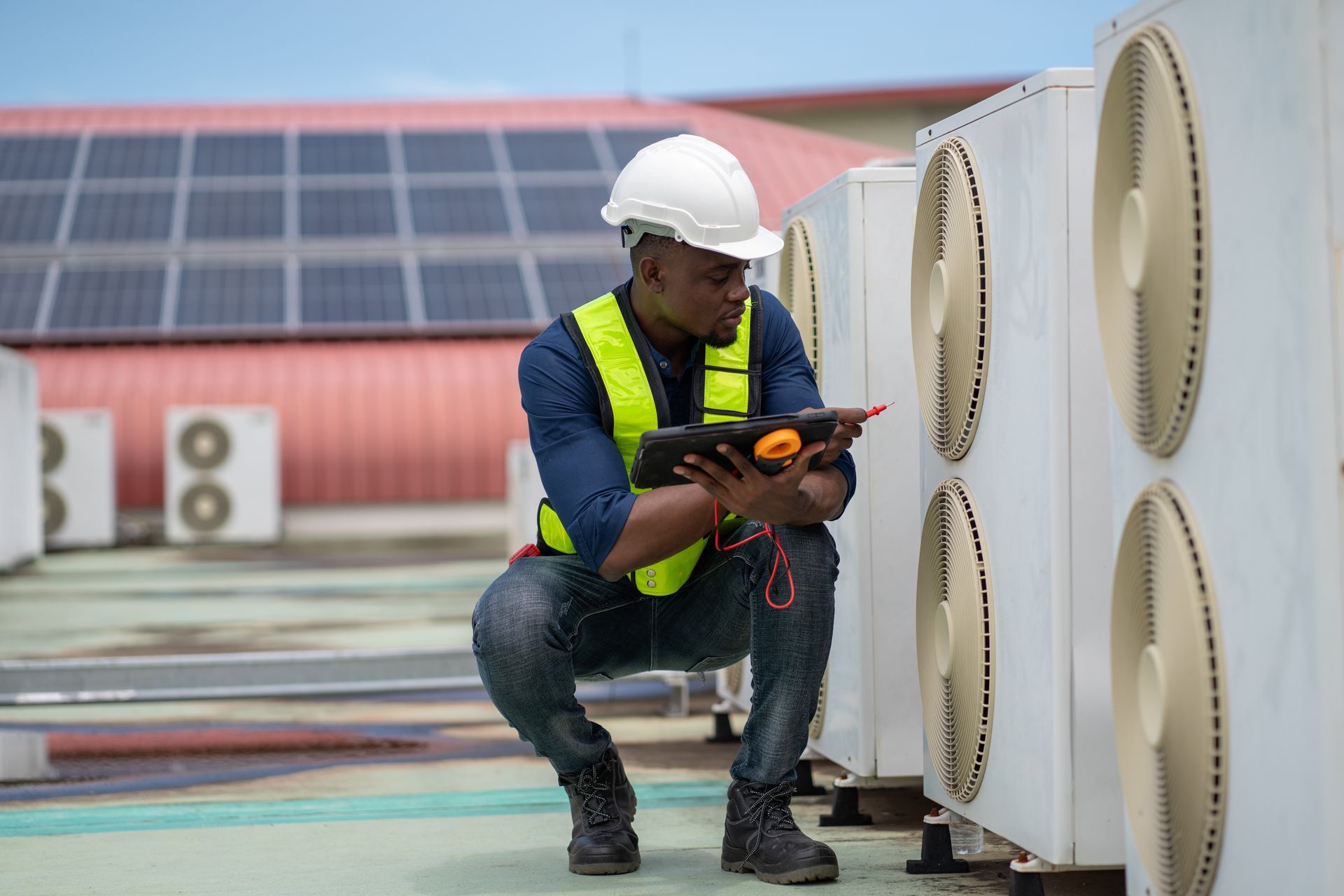
Commercial rooftop HVAC systems are designed to handle the high heating and cooling loads of winter and summer in DFW, but shoulder seasons bring a separate set of challenges due to mild temperatures, rapid daily swings and lower overall demand.
During lower-demand months, rooftop units may cycle more frequently or struggle to maintain consistent temperatures throughout the day. Even seemingly minor performance issues in spring may point to control problems, airflow challenges or maintenance needs that should be addressed before peak cooling season arrives.
Low Load Operation and Compressor Cycling
During mild weather, rooftop units frequently operate well below their design capacity. Buildings may require only small amounts of cooling, especially during mornings or cloudy days.
When cooling loads are low, compressors may satisfy the thermostat quickly and shut off sooner than they would during hotter weather. This can result in more frequent cycling than normal.
While an RTU in good condition should be able to handle that operational cadence, repeated short run times can increase wear on compressors, contactors and other components.
Low load conditions may also expose oversizing problems in certain buildings. If the rooftop unit was originally sized for peak conditions but now serves a space with a reduced load, the system may struggle to operate efficiently during mild weather.
Heating and Cooling Changeover Conflicts
One of the most common shoulder-season issues is rapid switching between heating and cooling modes. A building may require heating during the morning when outdoor temperatures are cool and cooling by mid-afternoon once the sun warms the structure.
This daily shift can cause operational conflicts in some systems. Thermostats or building controls may call for cooling shortly after heating cycles have ended, leading to frequent mode changes throughout the day.
In larger buildings with multiple zones, some areas may still require heat while others begin calling for cooling. Without proper control sequencing, these competing demands can create comfort complaints and unnecessary equipment operation.
Sensor and Control Calibration Problems
Spring and fall conditions often reveal sensor or control calibration problems that remain unnoticed during steady heating or cooling seasons.
Temperature sensors that drift out of calibration can cause rooftop units to stage compressors improperly or run longer than necessary. Outdoor air sensors that read incorrectly may also trigger unnecessary cooling or prevent economizer operation when outdoor conditions are favorable.
Even small sensor errors can create inconsistent system behavior during mild weather when the difference between heating and cooling demand is relatively small.
Economizer and Outdoor Air Control Issues
Economizers tend to operate more frequently during shoulder seasons because outdoor air conditions are often suitable for cooling the building without running compressors.
When economizer components are not functioning correctly, several problems can occur. Dampers may fail to modulate properly, outdoor air sensors may report incorrect conditions or actuators may stick after long periods of limited use.
These faults can allow too much outdoor air into the building, causing temperature instability or forcing the mechanical cooling system to compensate.
Airflow and Maintenance Issues After Winter
Some rooftop units enter spring with maintenance issues that developed during the winter months. These problems may not become noticeable until the system begins running more regularly. Common examples include:
- Loose or worn belts affecting airflow
- Debris accumulation in outdoor coils
- Condenser fan motors showing early signs of failure
- Dirty filters restricting airflow
These issues can make rooftop units appear unstable during mild weather or reduce their ability to maintain consistent indoor conditions.
Why Shoulder Season Inspections Matter
Because rooftop systems experience a variety of operating conditions during spring and fall, these months are an ideal time to identify developing problems.
Routine maintenance during the shoulder season often includes checking sensor calibration, verifying compressor staging, inspecting airflow components and confirming that heating and cooling transitions occur correctly.
Mild outdoor conditions also offer an ideal opportunity to test economizer operation and diagnose mechanical or calibration issues.
Ensure Your RTUs Are Ready for Summer in Arlington and Fort Worth
Shoulder-season performance problems are often early indicators of issues that could affect reliability during peak cooling periods. Regular rooftop unit inspections help identify control faults, airflow restrictions and equipment wear before they turn into larger operational problems and tenant complaints.
Businesses throughout Arlington and Fort Worth can call Tom’s Commercial at 817-857-7400 for fast rooftop unit and HVAC maintenance. We’ll ensure your facility’s HVAC system is ready to operate reliably through seasonal transitions and meet the demands of Texas summer heat.