When HVAC Retrofits Deliver Better ROI Than Full System Replacement
Share
There comes a point for every facility where declining HVAC performance and rising energy costs make full equipment replacement seem like an unavoidable expenditure. While that may be true for some HVAC equipment, it’s not always the case.
There are scenarios where rooftop units, air handlers and hydronic systems with years of usable life remaining can be retrofitted.
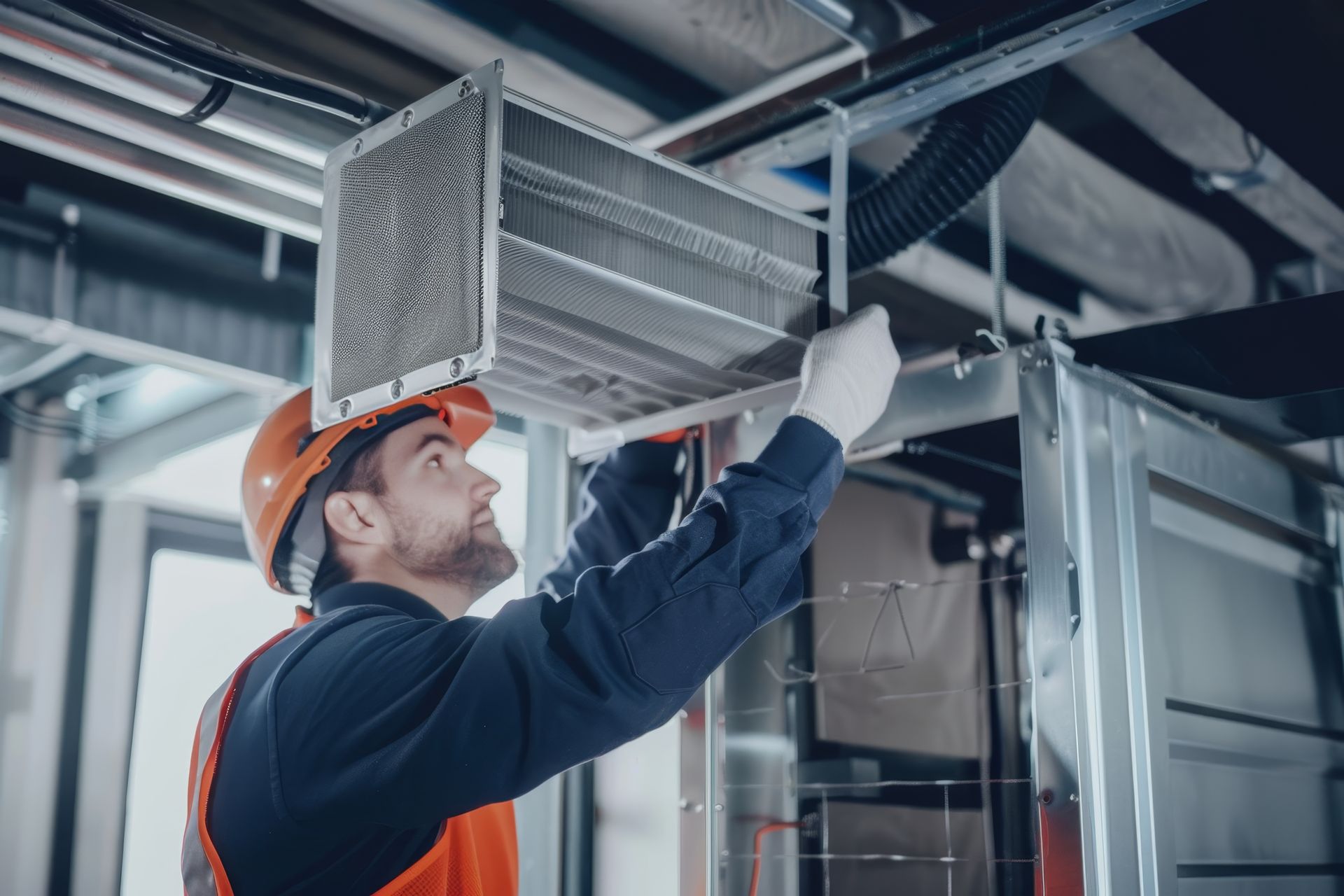
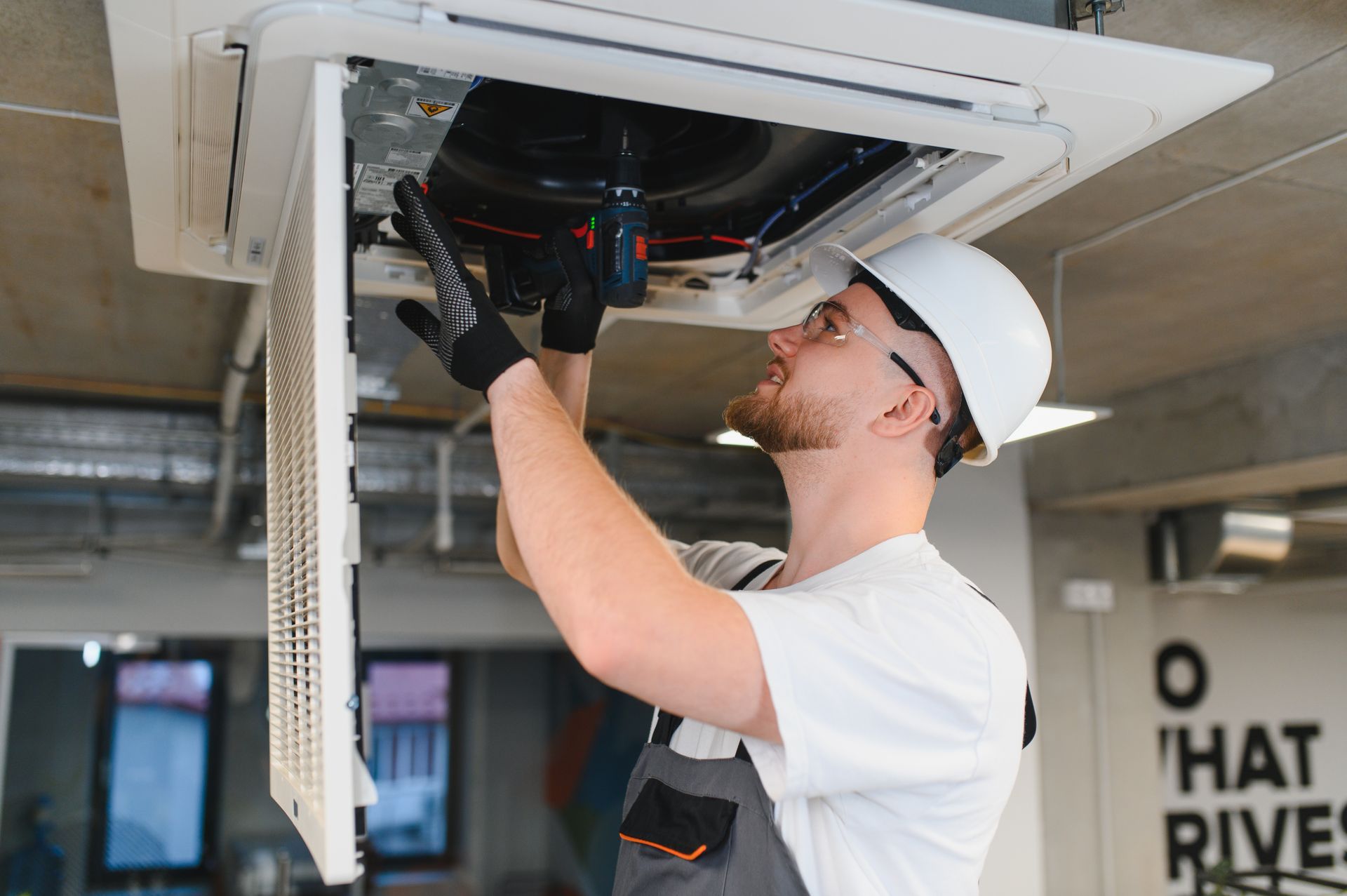
Targeted HVAC retrofits can improve efficiency and extend equipment life without the expense or disruption of replacing entire systems. Upgrades such as variable-speed drives, airflow improvements and modernized controls often deliver measurable performance gains while allowing facility managers to delay major capital projects.
Variable-Speed Drives and Fan Control Upgrades
One of the most common retrofit opportunities involves installing variable-frequency drives on HVAC motors. Many older systems run fans and pumps at constant speed even when full output is not needed.
Variable-speed drives allow motors to adjust their output based on building demand, like slowing down instead of operating at full capacity when airflow or pumping needs decrease. Because energy use drops significantly as motor speed decreases, these upgrades can reduce operating costs while improving temperature stability.
Variable-speed drives are commonly installed on supply fans in air handlers, condenser fans on rooftop units and pumps in hydronic heating or cooling systems.
Fan Arrays and Airflow Improvements
In larger commercial air handlers, older systems often rely on a single belt-driven fan. Over time these systems can develop airflow limitations or maintenance challenges.
Fan array retrofits replace large fans with several smaller direct-drive fans inside the same air handler. This design improves reliability, reduces belt maintenance and allows for more precise airflow control. Fan arrays also work well with variable-speed drives that adjust airflow based on building demand.
Pump Optimization in Hydronic Systems
Facilities with older chilled water or heating loops often operate pumps at constant speed. In many buildings, these pumps run at full output regardless of how much heating or cooling the building actually requires.
Adding variable-speed drives allows pump flow to adjust based on demand. This reduces electrical consumption while helping maintain more stable temperatures throughout the building.
Controls and Building Automation Improvements
Many older systems rely on outdated control strategies that limit efficiency and visibility.
Modern building automation systems allow operators to monitor equipment performance, improve scheduling and identify problems earlier. Updated controls can also improve staging and reduce unnecessary equipment cycling.
When Retrofits Make the Most Sense
Retrofits often provide strong returns when HVAC equipment still has several years of service life remaining but efficiency or control limitations are increasing operating costs. Buildings with structurally sound rooftop units or air handlers can often benefit from targeted upgrades that improve performance while delaying major capital replacement.
Some older systems may already include early versions of technologies such as variable-speed drives or basic automation controls. However, those earlier installations often lack the efficiency improvements, control flexibility and monitoring capabilities available in newer options.
When HVAC Replacement Is the Better Option
Unfortunately, retrofits are not always workable or the best solution. Equipment that is nearing the end of its service life, experiencing repeated mechanical failures or using outdated refrigerants may require full HVAC replacement.
Retrofit upgrades may also be limited by the design of older HVAC equipment. Certain motors, control boards or mechanical layouts may not support modern drives or control strategies without extensive modifications.
Evaluating the condition and configuration of your existing system will allow an HVAC installation professional to provide clear advice on whether modernization or full HVAC replacement is the better long-term investment.
Commercial HVAC System Upgrades in Arlington and Fort Worth
Tom’s Commercial works with facility managers and building owners throughout Arlington and Fort Worth to evaluate retrofit options and plan HVAC upgrades that support long-term building performance. Call us at 817-857-7400 to schedule an inspection today.