When Structural Roof Modifications Are Required for HVAC Replacement
Share
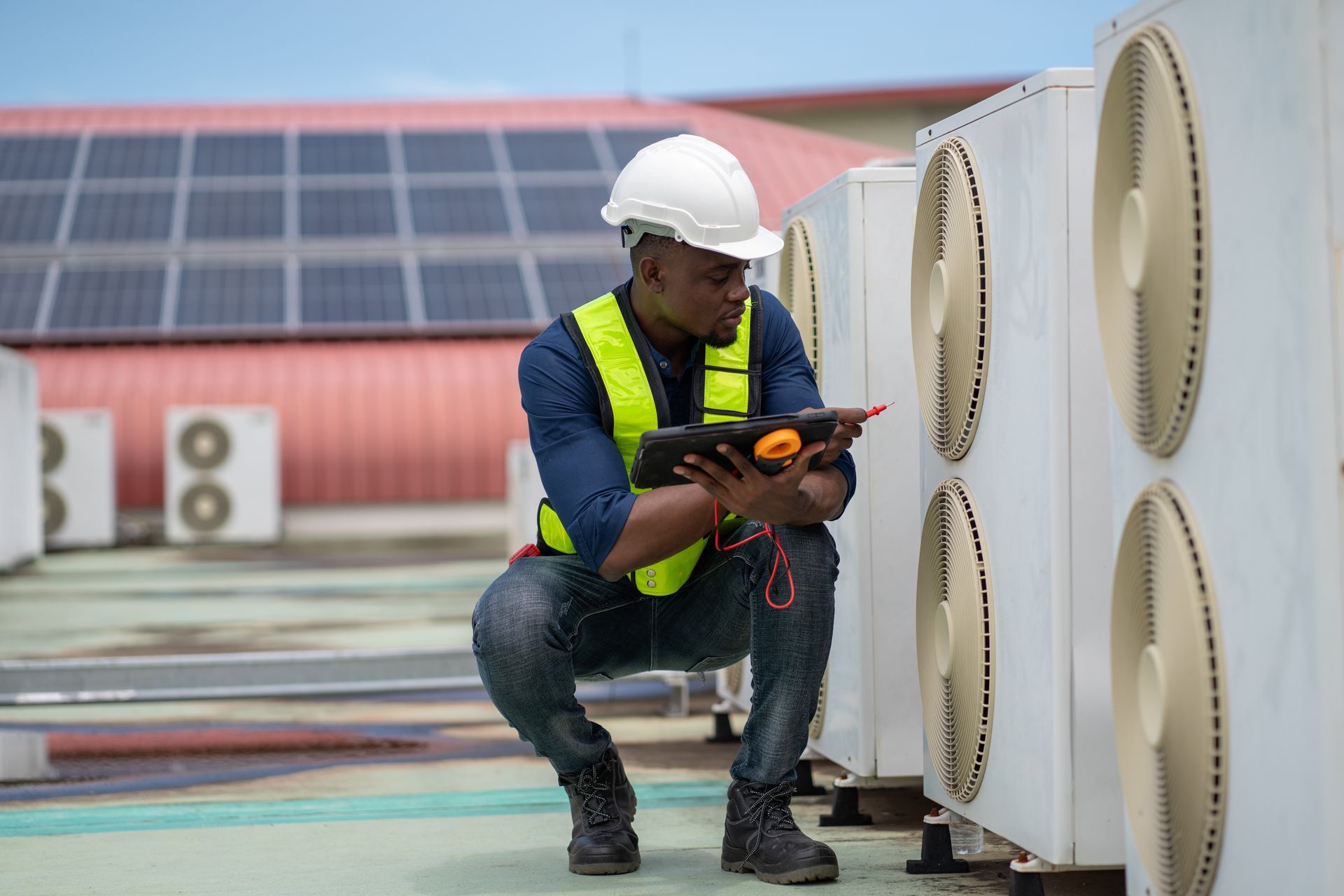
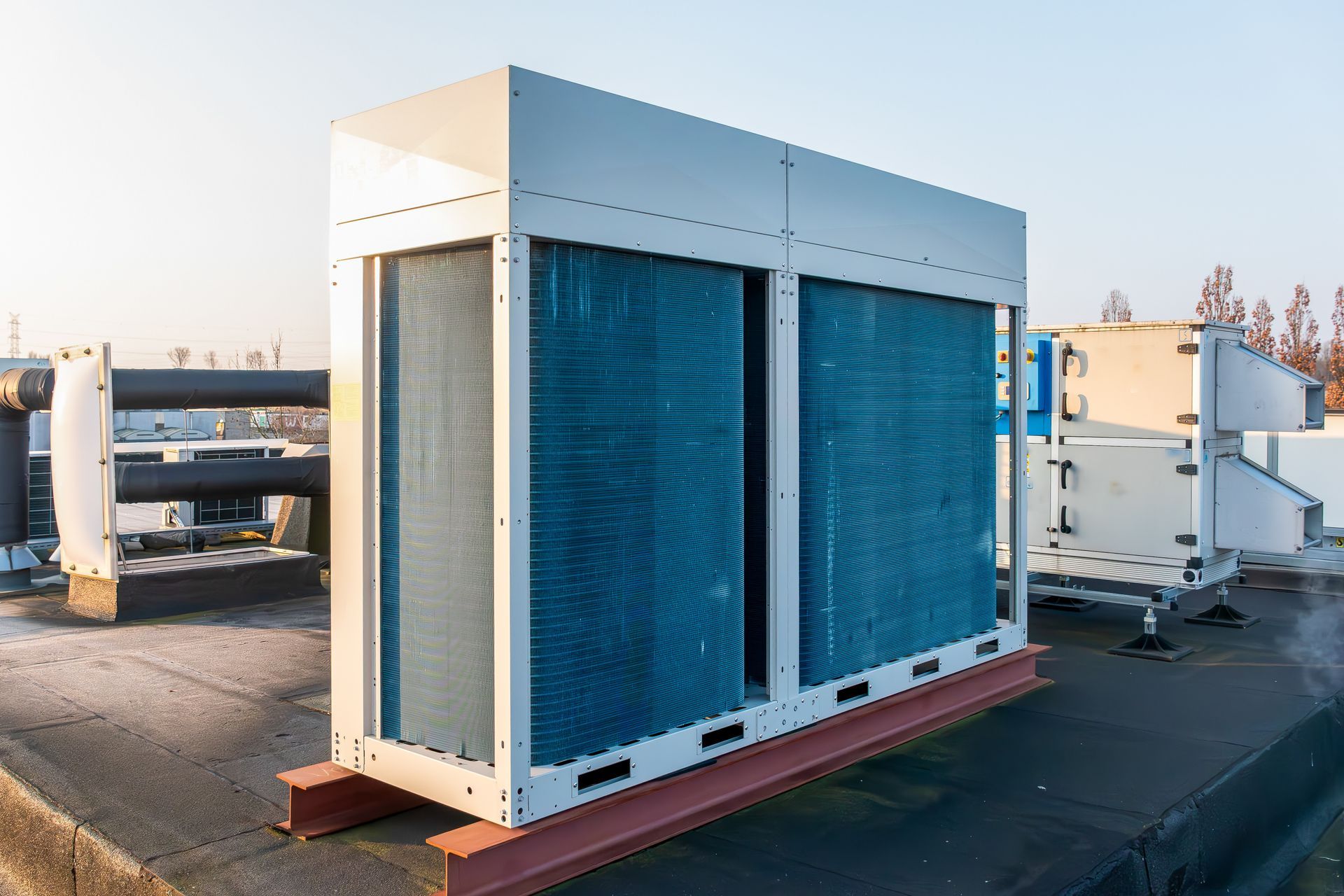
When a rooftop unit is replaced with a similar unit of the same size and weight in the same location, structural modifications are often not required. The roof structure was originally designed to support the equipment load, and the existing curb and support structure can typically be reused.
Structural review or roof modifications may be required when:
- The new unit is significantly heavier than the existing unit
- The equipment footprint is larger or a different shape
- Multiple smaller units are replaced with fewer larger units
- Units are relocated to a different area of the roof
- Ground-mounted equipment is being moved to the roof
- Existing roof curbs need to be replaced or resized
- The building is older and structural drawings are not available
In these situations, a structural engineer may need to review roof load capacity, joist spacing, decking condition, and equipment support locations to confirm that the building can support the new equipment layout.
Common Structural and Roof Modifications During HVAC Replacement
When structural modifications are required, the work typically involves reinforcing the roof structure or modifying roof openings to accommodate new equipment. Common modifications may include:
- Reinforcing roof joists or roof decking
- Installing structural steel supports
- Adding equipment rails or platforms
- Installing new roof curbs
- Enlarging or modifying existing curb openings
- Relocating rooftop units
- Closing abandoned roof penetrations
- Modifying duct penetrations through the roof
- Adding service walkways around equipment
- Installing vibration isolation supports
These types of modifications are not unusual in larger commercial HVAC replacement projects, especially when equipment layouts are being changed or buildings are being renovated.
Coordinating HVAC Replacement With Roof Replacement
In an ideal situation, HVAC replacement and roof replacement would be coordinated as part of the same capital project. Old rooftop units would be removed, the roof would be replaced, and new curbs would be installed before new HVAC equipment is set in place. This approach can reduce long-term costs and prevent future roof work from being complicated by newly installed equipment.
In reality, HVAC and roofing projects are often handled separately. Budgets may be managed by different departments, equipment replacement may be done in phases, and many buildings cannot operate without HVAC long enough to complete both projects at the same time.
When HVAC replacement and roof replacement cannot be completed together, some alternative project strategies can help reduce future complications:
- Replacing units in phases instead of all at once
- Installing new curbs during roof work even if equipment will be replaced later
- Coordinating crane lifts for roofing and HVAC work when possible
- Replacing roof sections around equipment
- Planning roof and HVAC replacement within the same long-term capital plan
Planning these projects together, even if they are completed in phases, can help reduce future labor costs and avoid removing newer equipment to complete roof work later.
Rooftop Units on Sloped Roofs and Equipment Platforms
Rooftop units can still be installed on buildings with sloped roofs, but they typically require equipment platforms, rails, or structural framing to create a level surface for the equipment. These platforms must be properly supported and integrated with the roof structure and roofing system.
Because platform-mounted equipment changes how loads are distributed on the roof, structural review is often required for these types of installations. Access for service, safe walkways, and roof drainage must also be considered when equipment is installed on sloped roofs.
Coordinating Structural Modifications During HVAC Replacement
When structural modifications are required, the HVAC contractor typically coordinates with structural engineers, roofing contractors, electricians, crane companies, and other trades involved in the project.
Proper coordination between these trades helps prevent project delays, roof damage, and installation issues.
Commercial Rooftop Unit Replacement and HVAC Planning
Many rooftop HVAC replacements can be completed using existing curbs and roof supports, but structural modifications may be required when equipment size, weight, location, or roof conditions change. Planning ahead and coordinating HVAC replacement with roofing and structural work when possible can help reduce long-term costs and prevent future project complications.
Tom’s Commercial works with facility managers, property managers, and building owners throughout Arlington, Fort Worth, and surrounding areas to plan and complete commercial rooftop unit replacement projects, including projects that require coordination with roofing contractors, structural engineers, and other trades. Call Tom’s Commercial at 817-857-7400 to discuss commercial HVAC replacement or request a project evaluation.