Why Seasonal HVAC Control Changes Can Create Problems in Early Spring
Share
Enabling economizers, adjusting heating lockouts and increasing outdoor air intake are normal and proper parts of early spring seasonal HVAC maintenance.
These adjustments are intended to prepare Fort Worth and Arlington buildings for the hot months on the horizon, and it’s typically better to have them too early than too late. But as every DFW resident knows, there are no guarantees when it comes to spring weather.
Sudden cold fronts or rapid temperature swings can create operational issues if systems are already configured for full cooling-season operation. That doesn’t mean alterations shouldn’t be made at the start of shoulder seasons, but controls should be thoughtfully adjusted to minimize instability and reduce the frequency of tenant comfort complaints.
Outdoor Air Settings Increased Too Early
Many commercial HVAC systems increase outside air intake as temperatures begin rising in early spring. Higher ventilation rates can improve indoor air quality and reduce the need for mechanical cooling when outdoor conditions are favorable.
However, outdoor air temperatures may still drop significantly during overnight hours and early mornings. If ventilation dampers are opened too aggressively, the system may introduce large amounts of cold air into the building.
This can force heating systems to run longer than expected or cause supply air temperatures to fluctuate as the system attempts to balance ventilation and heating demand.
Heating Lockouts Raised Too Soon
Commercial HVAC systems often use heating lockout settings that disable heating when outdoor temperatures rise above a certain point.
Problems can occur when lockout temperatures are raised too early in the season. If a late cold snap arrives, the system may no longer allow heating operation even though indoor spaces require it.
This situation can lead to uncomfortable indoor conditions until controls are adjusted again or outdoor temperatures rise.
Economizers Enabled Too Aggressively
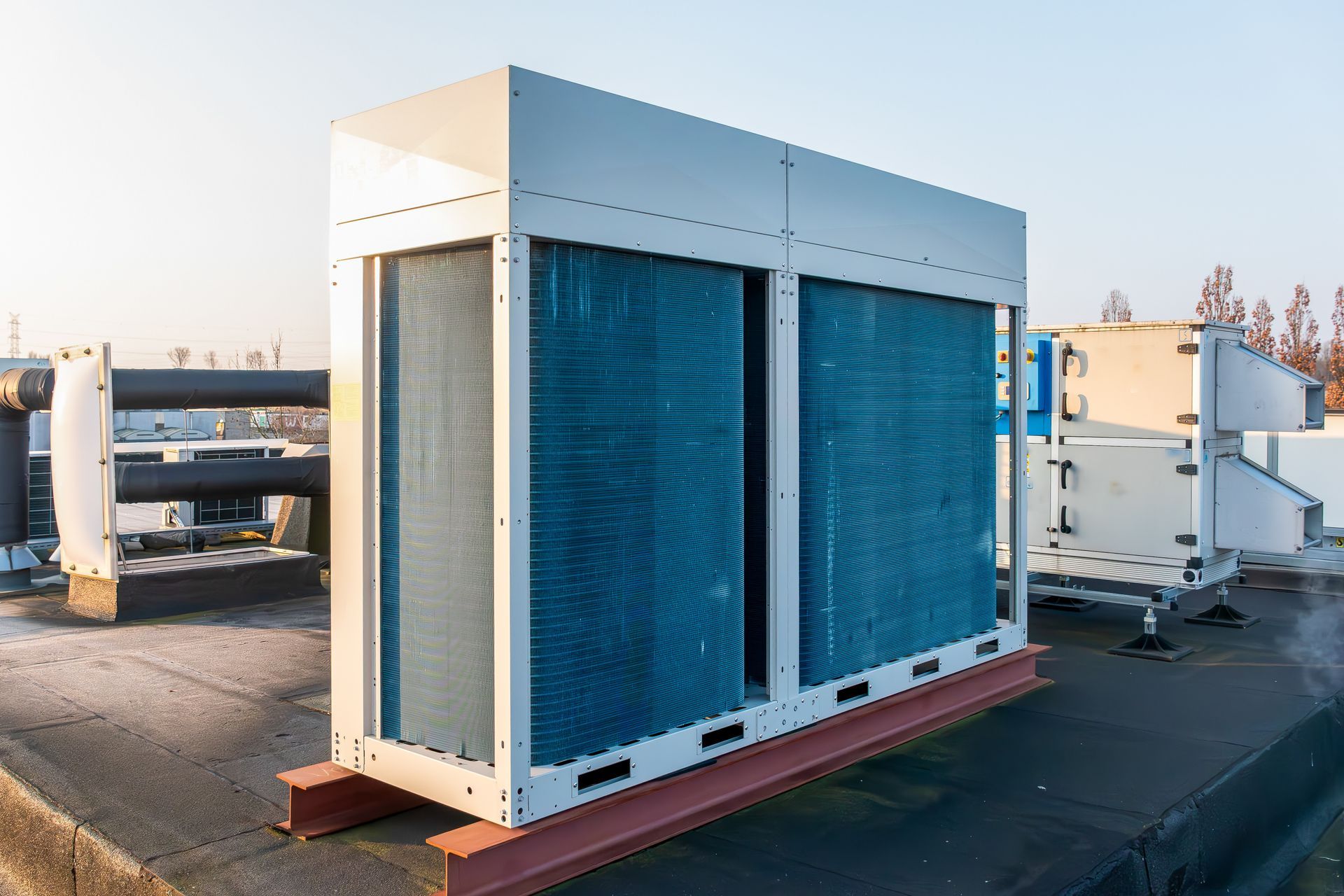
Economizers allow rooftop units to use outdoor air for cooling when conditions are suitable. During mild weather, this can reduce compressor operation and improve energy efficiency.
However, economizers often rely primarily on temperature-based controls. If outdoor air is cool but still contains significant moisture, large volumes of outside air can enter the building.
During early spring the system may not run long enough to remove that moisture, particularly when cooling demand is low. This can lead to higher indoor humidity or unstable temperatures.
Reset Strategies Adjusted Too Early
Many commercial systems use reset strategies that adjust supply air temperature or system setpoints based on outdoor conditions. These strategies help improve efficiency during cooling season.
When reset schedules are adjusted too early, systems may begin operating as though summer conditions have already arrived. If temperatures drop suddenly, the system may struggle to maintain stable indoor conditions.
This can lead to frequent equipment cycling or inconsistent temperature control throughout the building.
Why Reviewing Spring Control Changes Matters
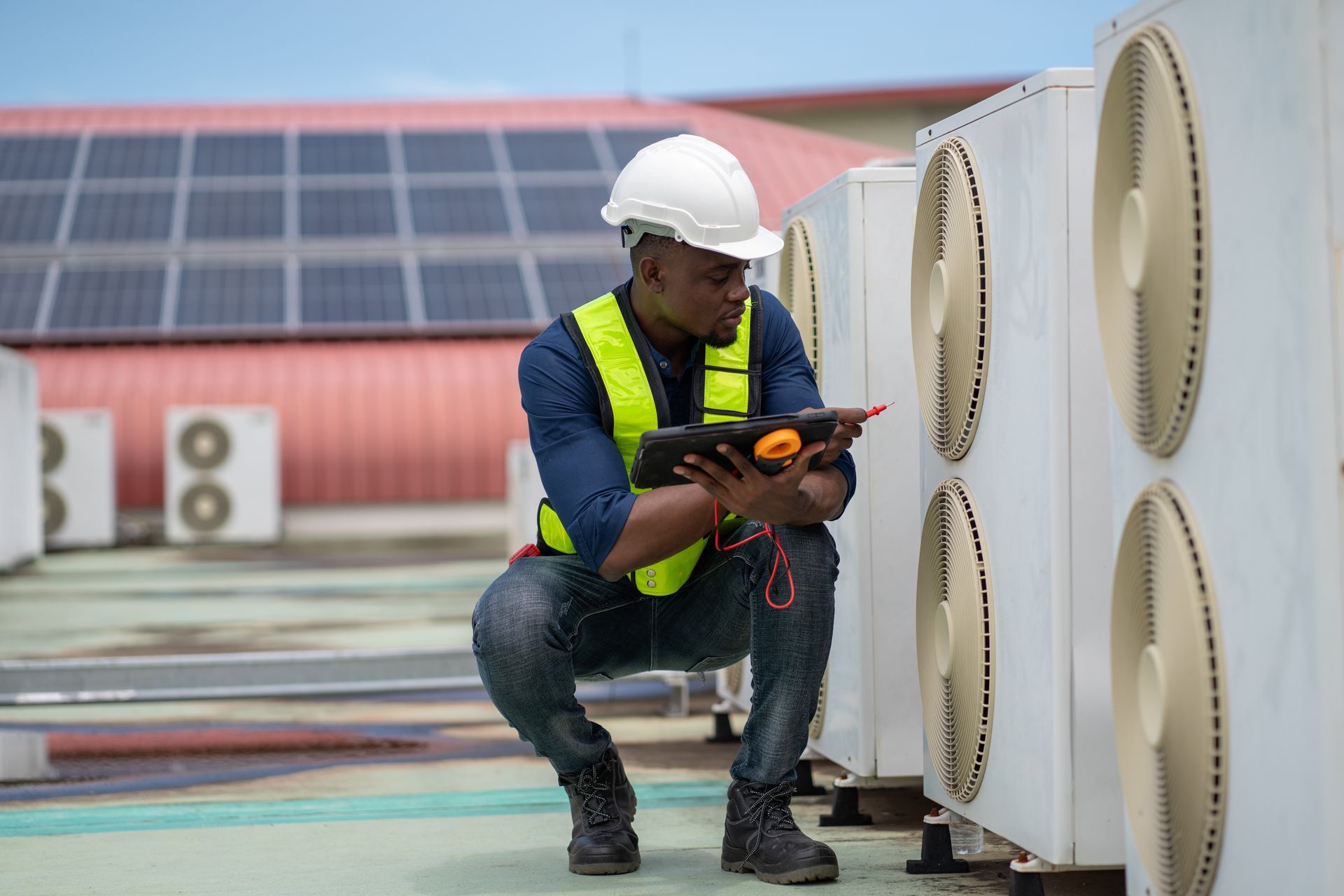
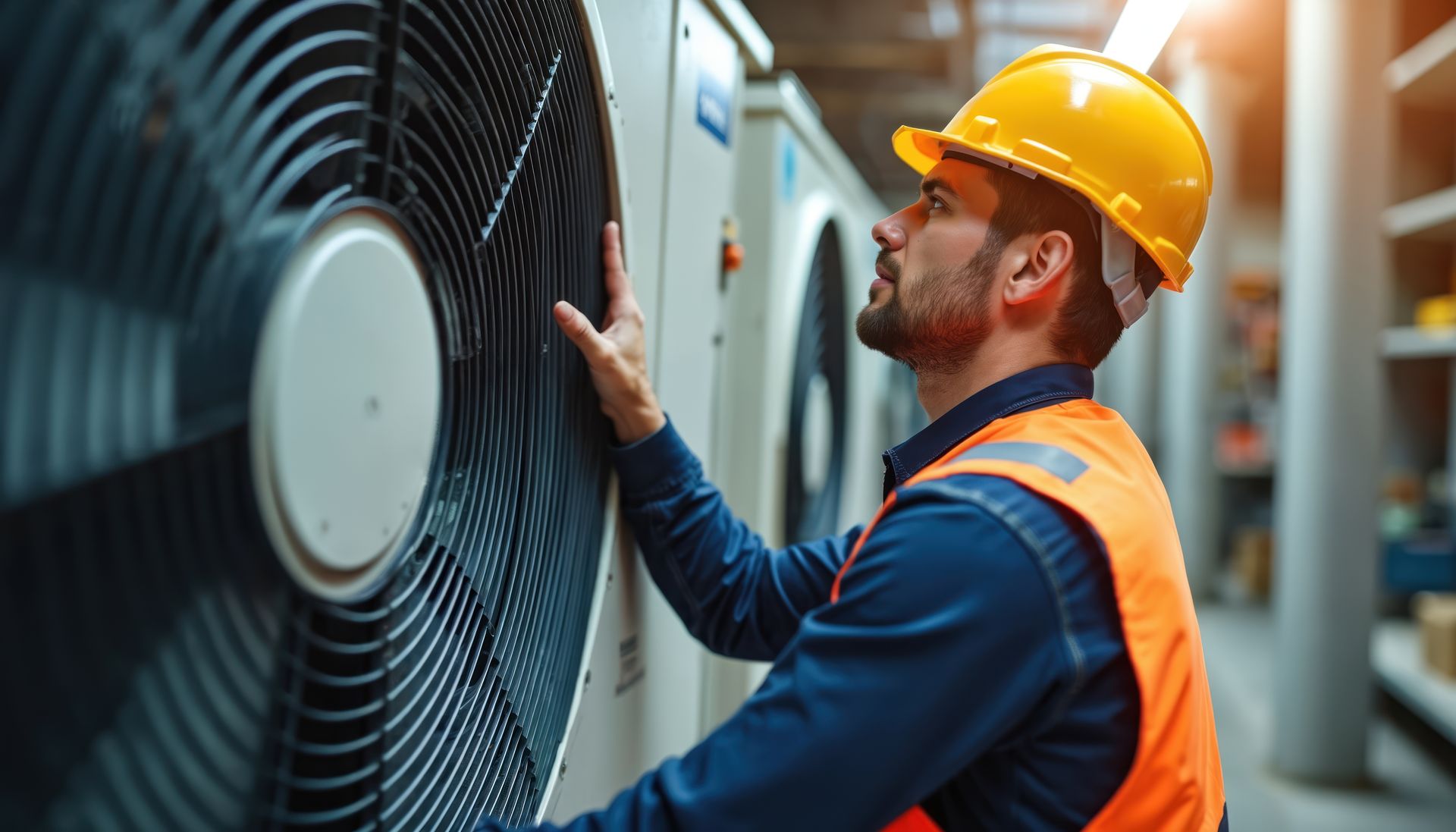
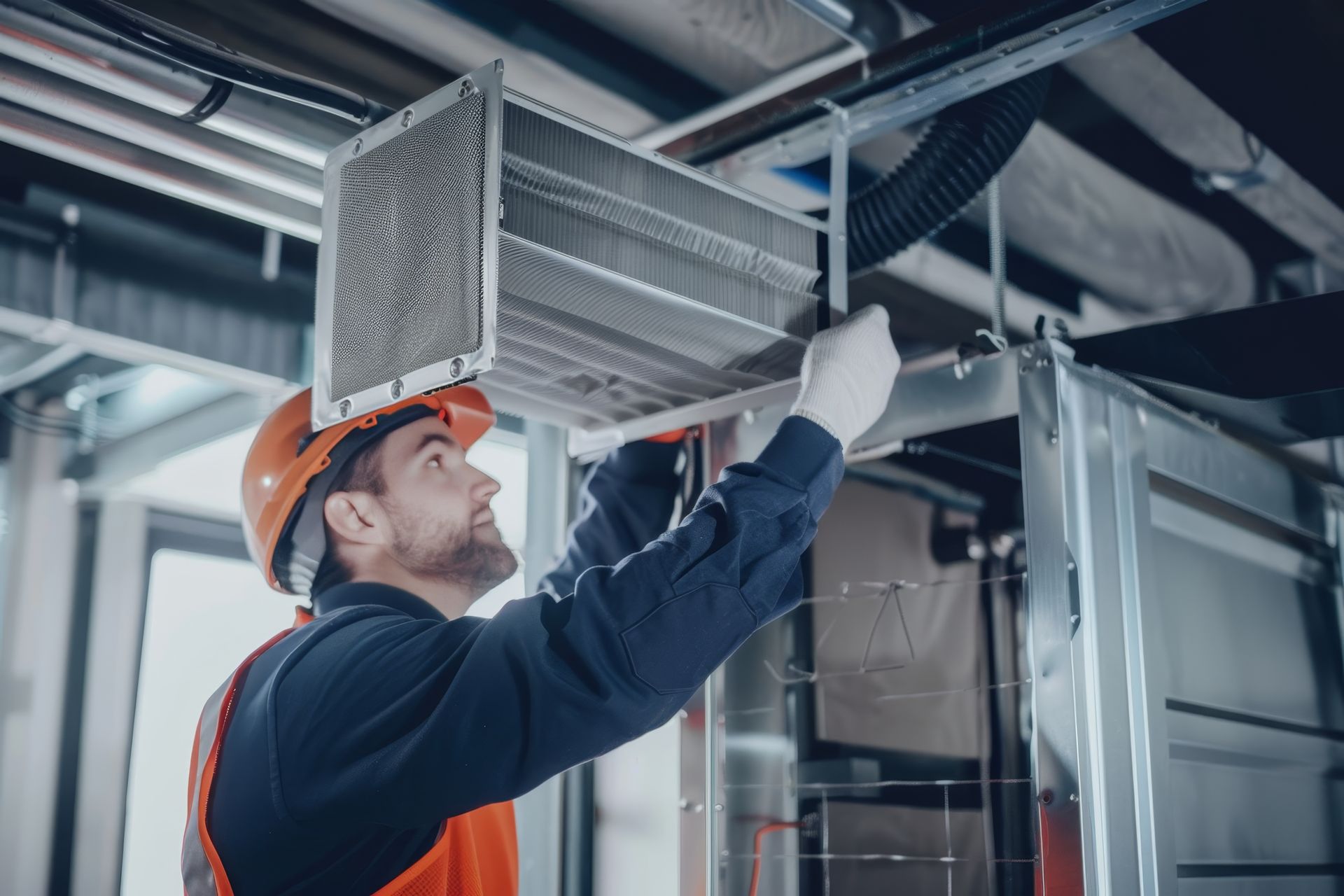
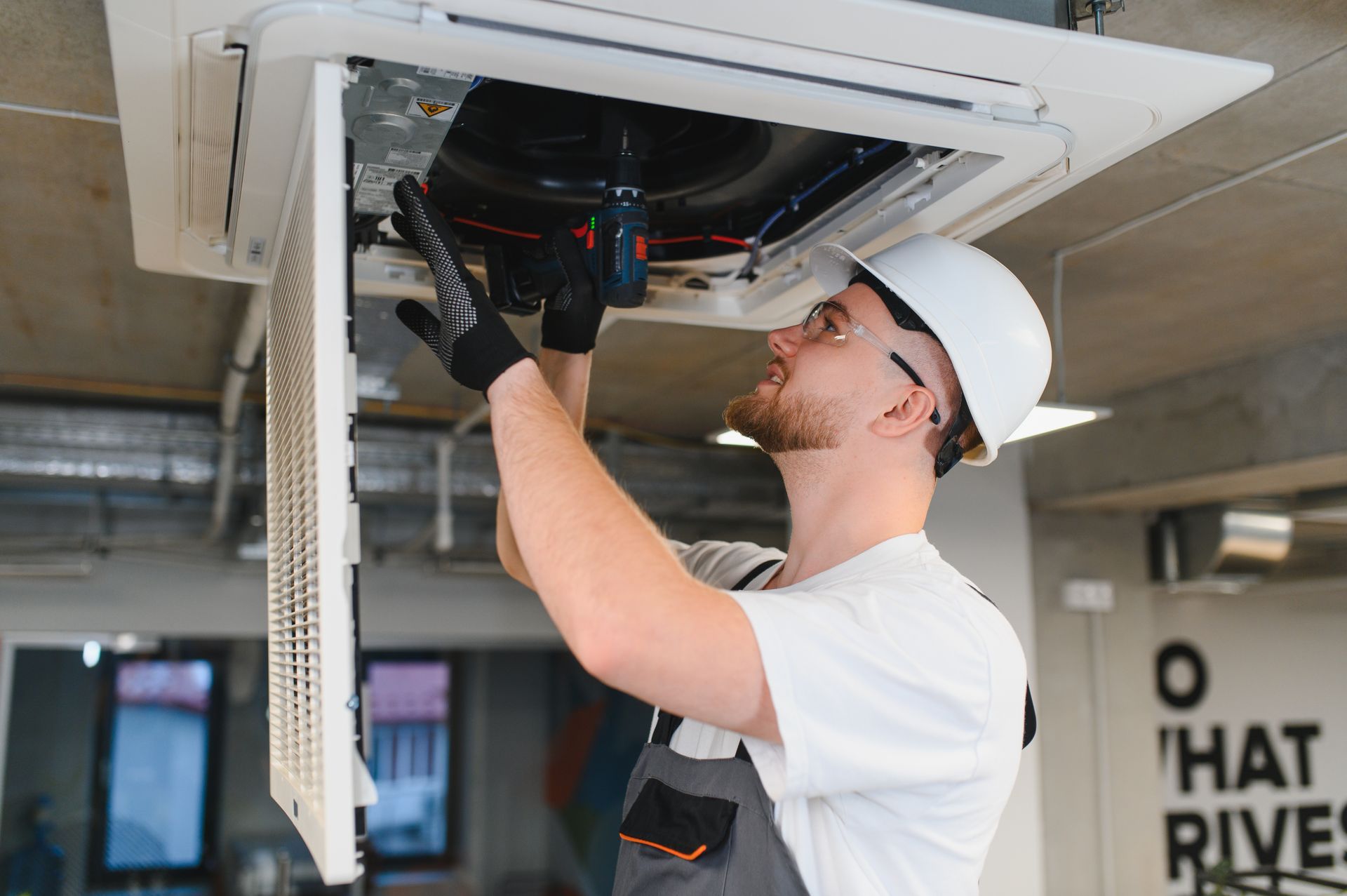
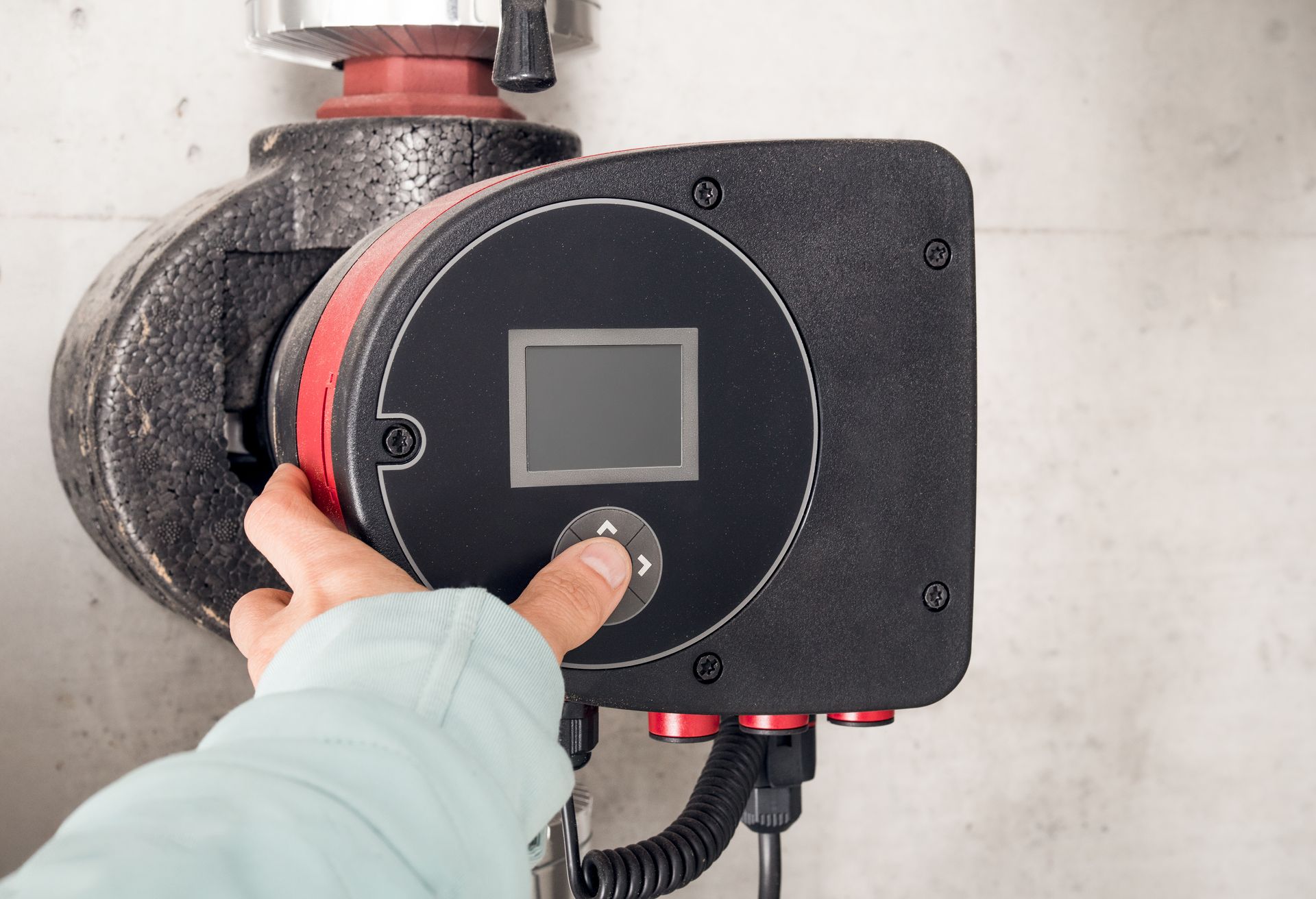
During a spring maintenance visit, commercial HVAC technicians typically check outdoor air damper operation, confirm heating lockout settings and verify that economizer and control functions respond properly to changing outdoor conditions.
These inspections are often when seasonal adjustments are made to prepare the system for cooling season. Understanding what settings were adjusted during service can help building managers stay informed about system operation and request changes if comfort issues develop.
An early spring inspection helps ensure the system is ready for the heavier cooling loads that are likely only weeks away. It can also reduce tenant complaints or performance issues that sometimes occur during unpredictable shoulder season weather.
Commercial HVAC Maintenance in Arlington and Fort Worth
Seasonal weather transitions can expose control issues, ventilation imbalances and other operational challenges within commercial HVAC systems.
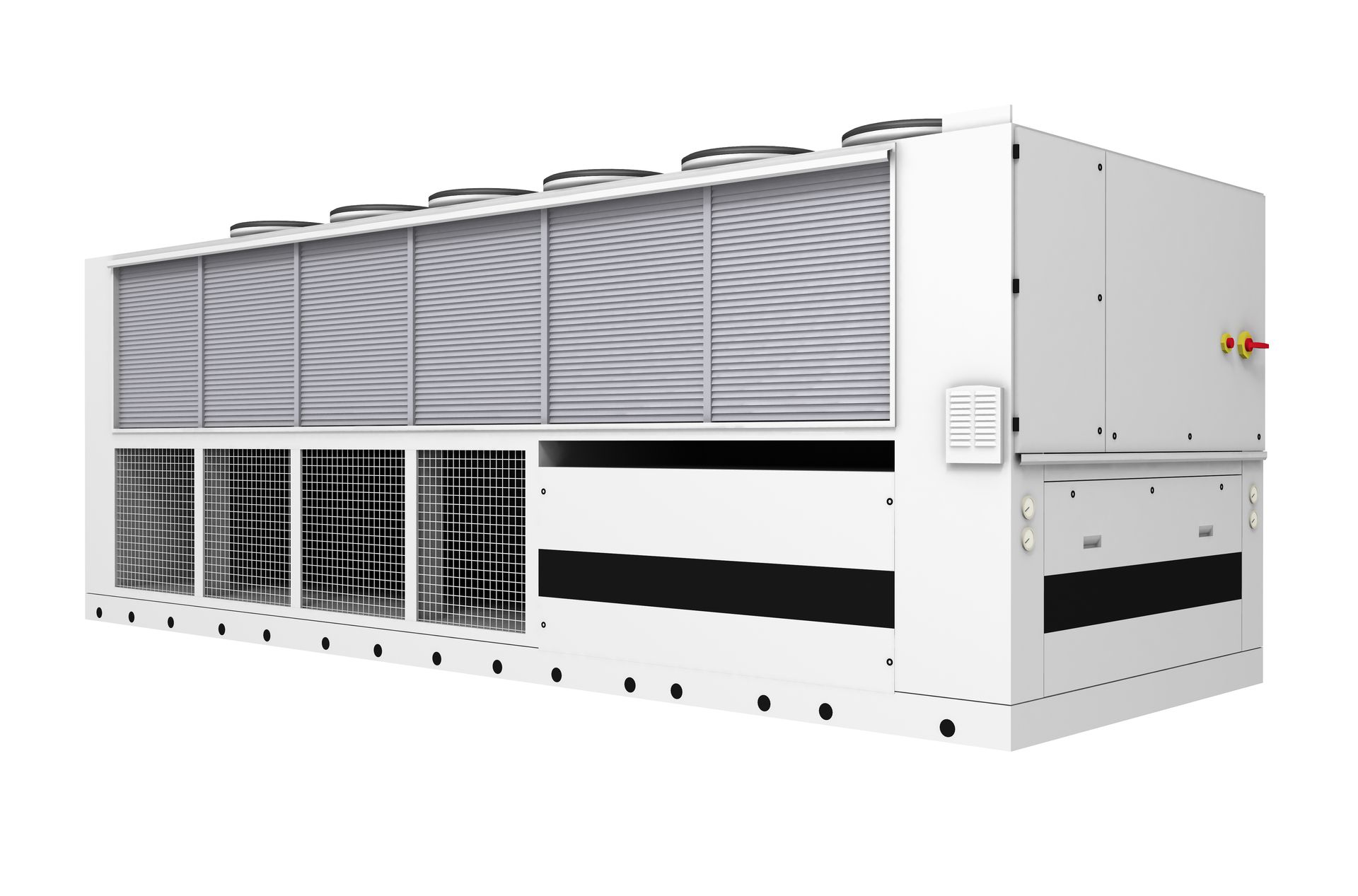
Regular maintenance helps keep rooftop units, air handlers, chillers and other commercial HVAC systems operating smoothly through seasonal transitions and changing weather conditions.
Contact Tom’s Commercial at 817-857-7400 to request HVAC inspections, diagnostics and maintenance services before summer temperatures arrive.