Why Commercial Buildings Experience Humidity Problems During Spring HVAC Transitions
Share

Humidity complaints often arise in commercial buildings during spring, even when outdoor temperatures feel comfortable. Cooling demand is often low, outdoor air conditions fluctuate and systems may cycle more frequently than they do during peak summer operation.
These conditions can reduce a system’s ability to remove moisture from the air, allowing humidity levels to rise even when temperatures appear normal.
Low Cooling Loads Reduce Moisture Removal
Indoor moisture removal is largely a byproduct of the cooling process. When warm air passes over a cold cooling coil, moisture condenses on the coil surface.
During the spring months, compressors often satisfy temperature setpoints quickly and shut off after short cycles. A system that runs less often removes less moisture from the air.
This can leave indoor temperatures comfortable while humidity slowly rises, creating a damp or clammy feeling in occupied spaces.
Ventilation Air Can Introduce Additional Moisture
Most DFW commercial buildings are designed to bring in outside air for ventilation. While necessary for indoor air quality, ventilation air can also introduce moisture into the building.
Outdoor humidity can rise quickly in spring, even when temperatures remain moderate. During summer conditions when the cooling load is high, HVAC equipment is more effective at removing all that moisture before indoor conditions stabilize.
If cooling demand is low or the system cycles frequently, the equipment may not remove moisture as quickly as it enters the building.
Economizer Operation During Mild Weather
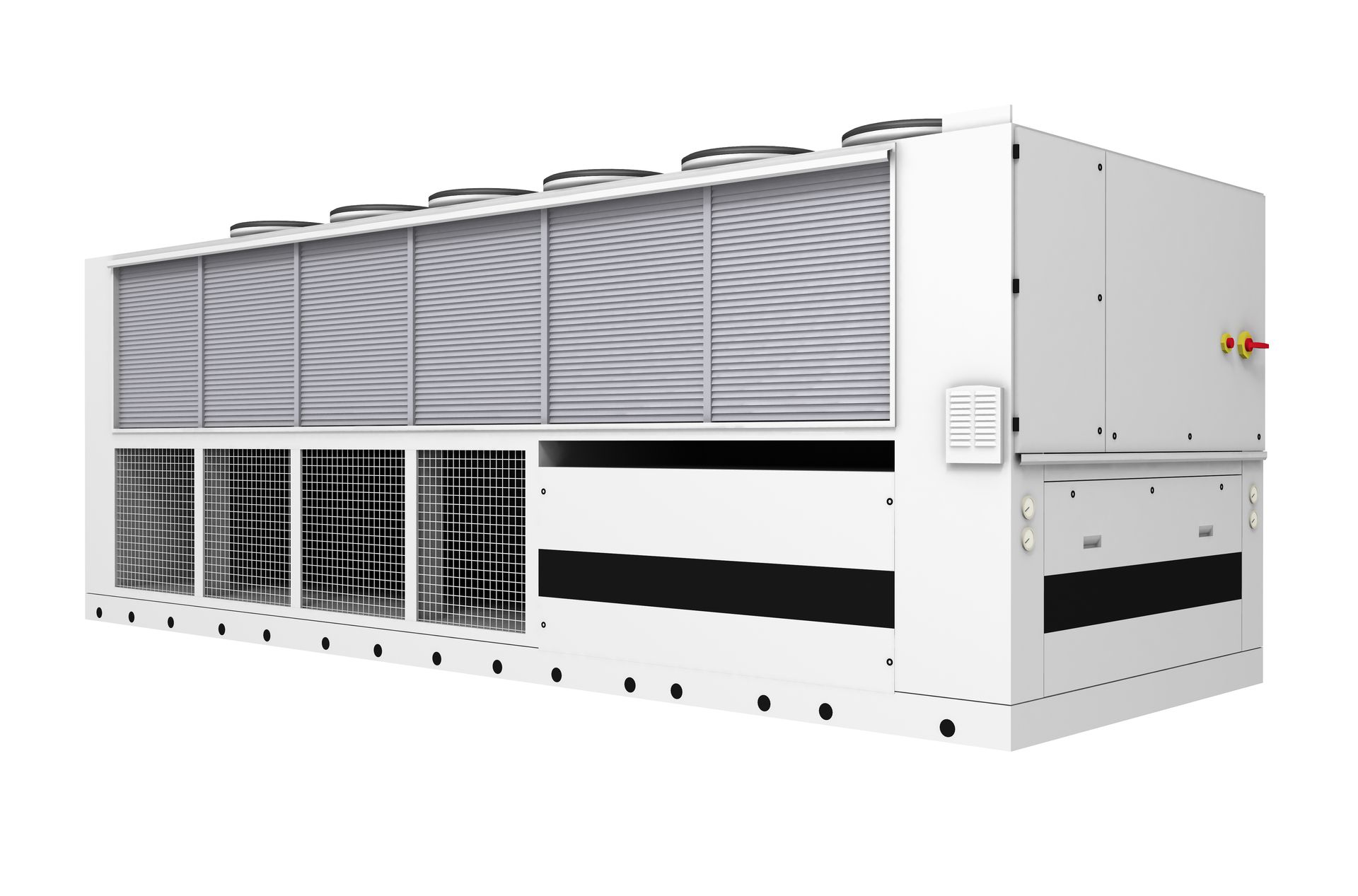
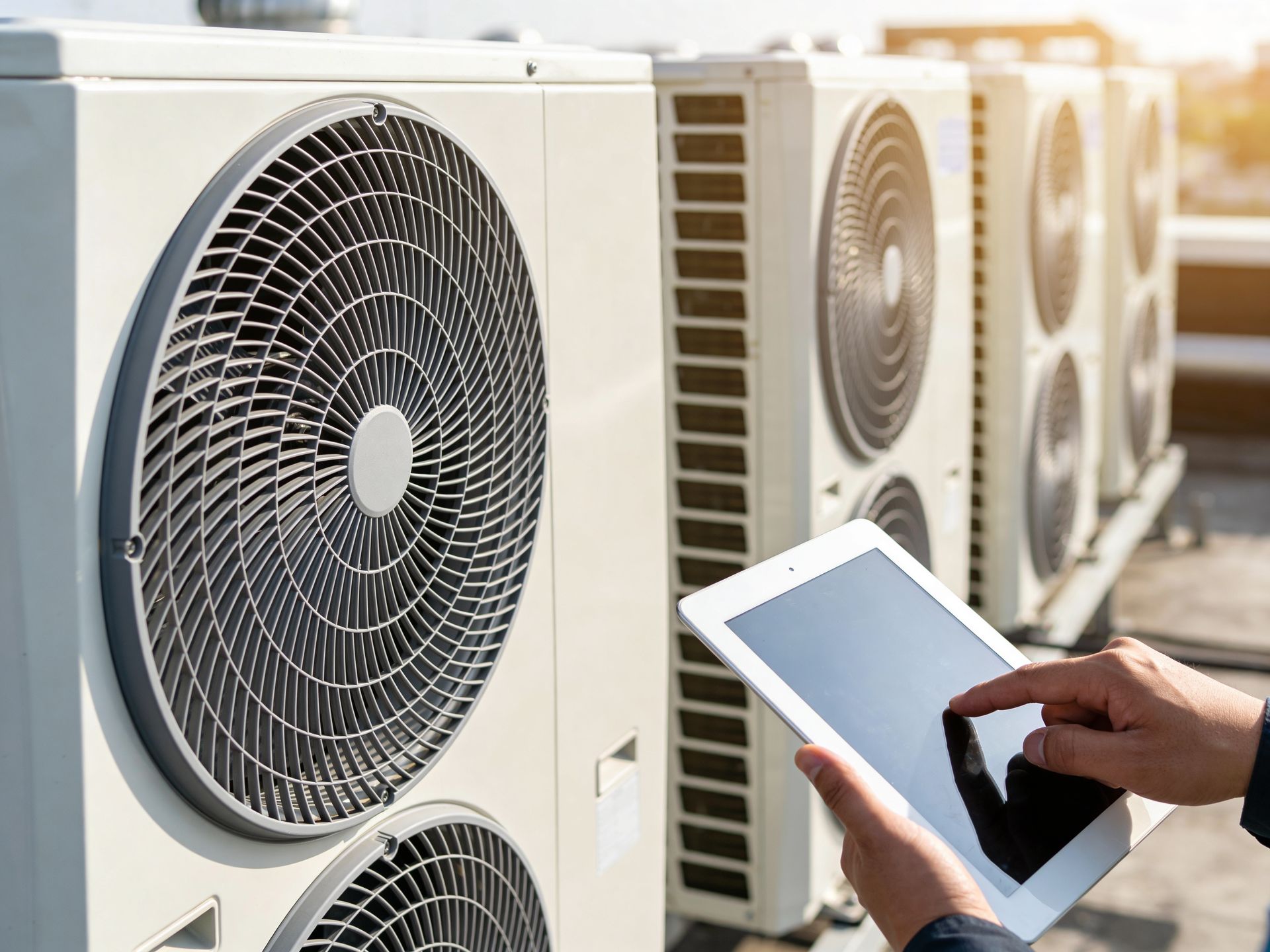
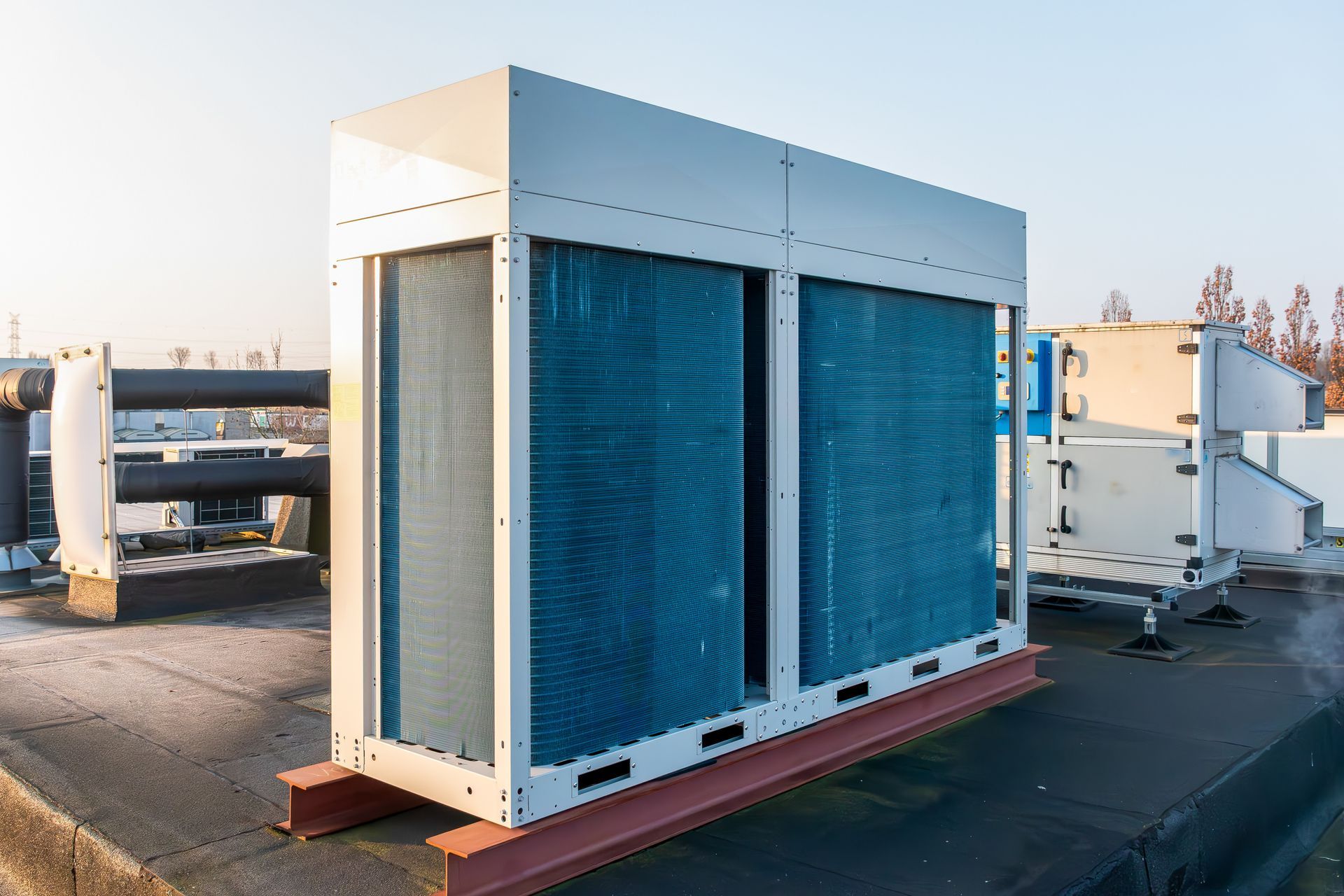
Many commercial rooftop units use economizers to bring in larger amounts of outside air when outdoor temperatures are suitable for cooling. Unsurprisingly, spring is the season when economizers most shine in Arlington and Fort Worth.
However, economizer controls in some systems rely primarily on temperature rather than humidity. If outdoor air is warm and humid but still within the temperature range for economizer operation, large amounts of moist air may enter the building.
Without sufficient cooling load to remove that moisture, indoor humidity can increase even while the system appears to be operating normally.
Airflow and Coil Performance Issues
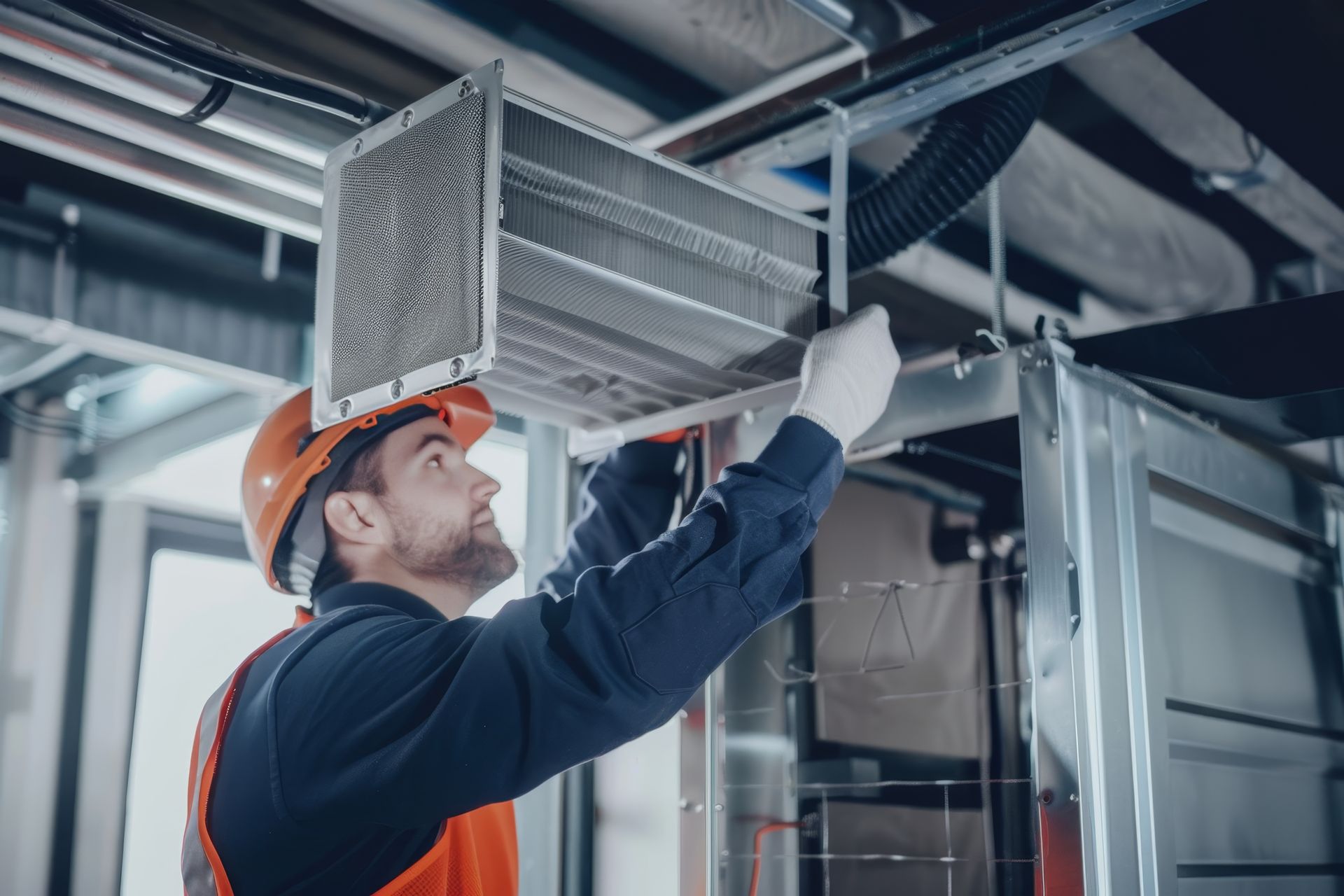
Humidity removal also depends on proper airflow and cooling coil performance. If airflow across the coil is too high, the air may pass over the coil too quickly to remove significant moisture.
Excessive airflow or maintenance issues can lead to a noticeable reduction in coil performance. Dirty coils, incorrect refrigerant charge or airflow imbalances may limit the system’s ability to condense moisture effectively.
These problems often go unnoticed during winter when cooling systems are not operating regularly but may become obvious to building occupants during the spring transition.
Technologies and Strategies That Improve Humidity Control
Several strategies can help improve humidity control during seasonal transitions. Variable-speed drives on fans and pumps allow systems to operate longer at lower capacity, improving moisture removal during mild weather.
Modern building automation systems can also incorporate humidity sensors and improved control logic. This allows operators to better manage ventilation rates, economizer operation and equipment staging when humidity levels begin to rise.
In larger facilities, additional approaches such as reheat-based dehumidification or dedicated outdoor air systems can help separate ventilation and humidity control from space temperature control.
Why Spring HVAC Maintenance Helps Prevent Humidity Problems
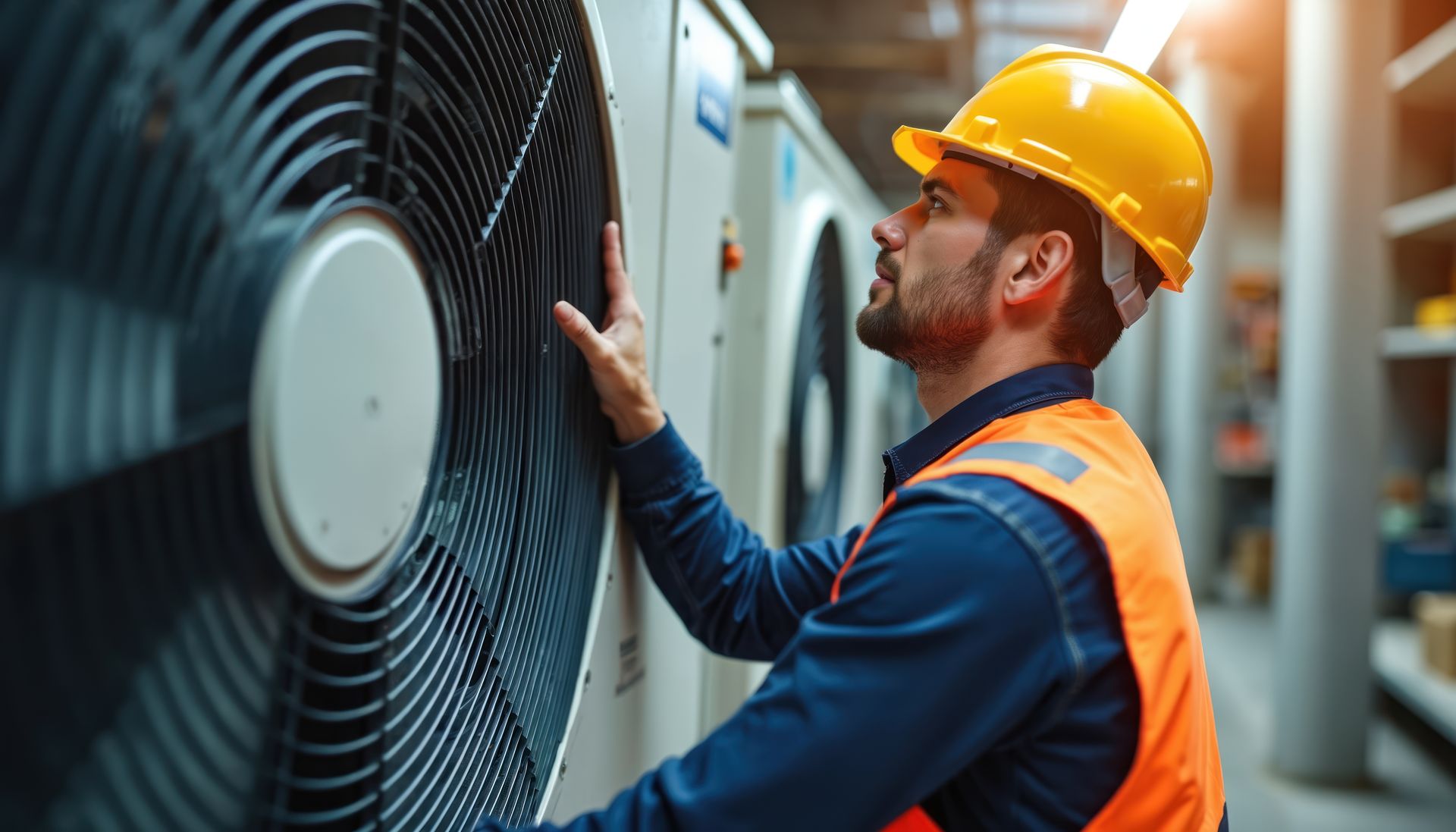
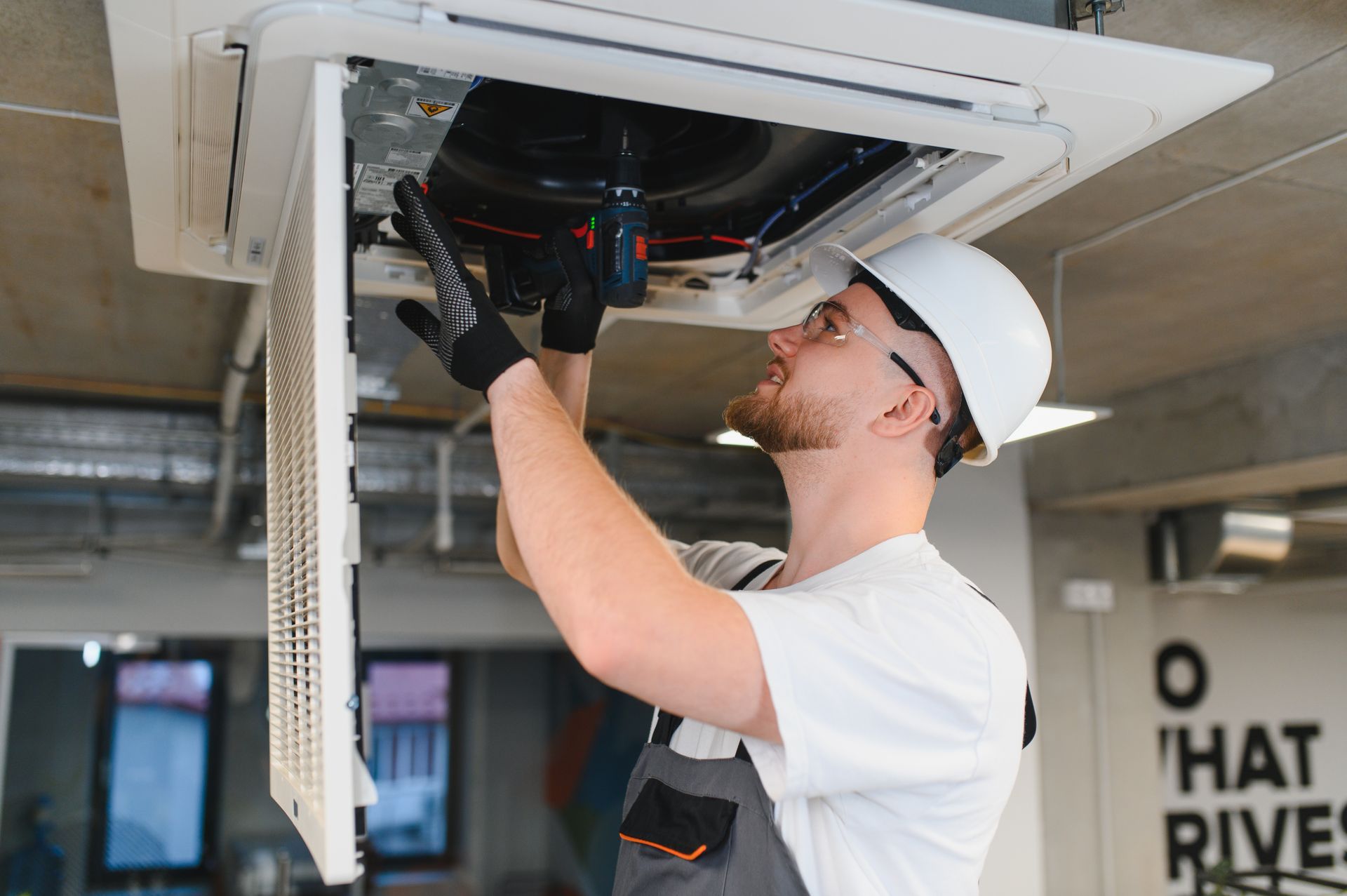
Spring maintenance inspections can help identify many of the conditions that contribute to humidity problems. Checking coil condition, verifying airflow settings and confirming economizer operation can improve system performance before warmer weather arrives.
Technicians may also verify sensor calibration, inspect ventilation settings and identify mechanical issues that could affect humidity control.
Commercial HVAC Maintenance and Humidity Control in Arlington and Fort Worth
Humidity problems during seasonal transitions often indicate underlying airflow, ventilation or control issues within the HVAC system. Addressing these problems early can improve comfort during transitional periods and help ensure the system is prepared to meet the increased cooling demands of summer.
Tom’s Commercial provides rooftop unit inspections, diagnostics and HVAC repair services for businesses throughout Arlington and Fort Worth. Call us at 817-857-7400 to schedule a maintenance visit.