The Hidden Cost of Oversized Commercial HVAC Units in Modern Low-Load Environments
Share
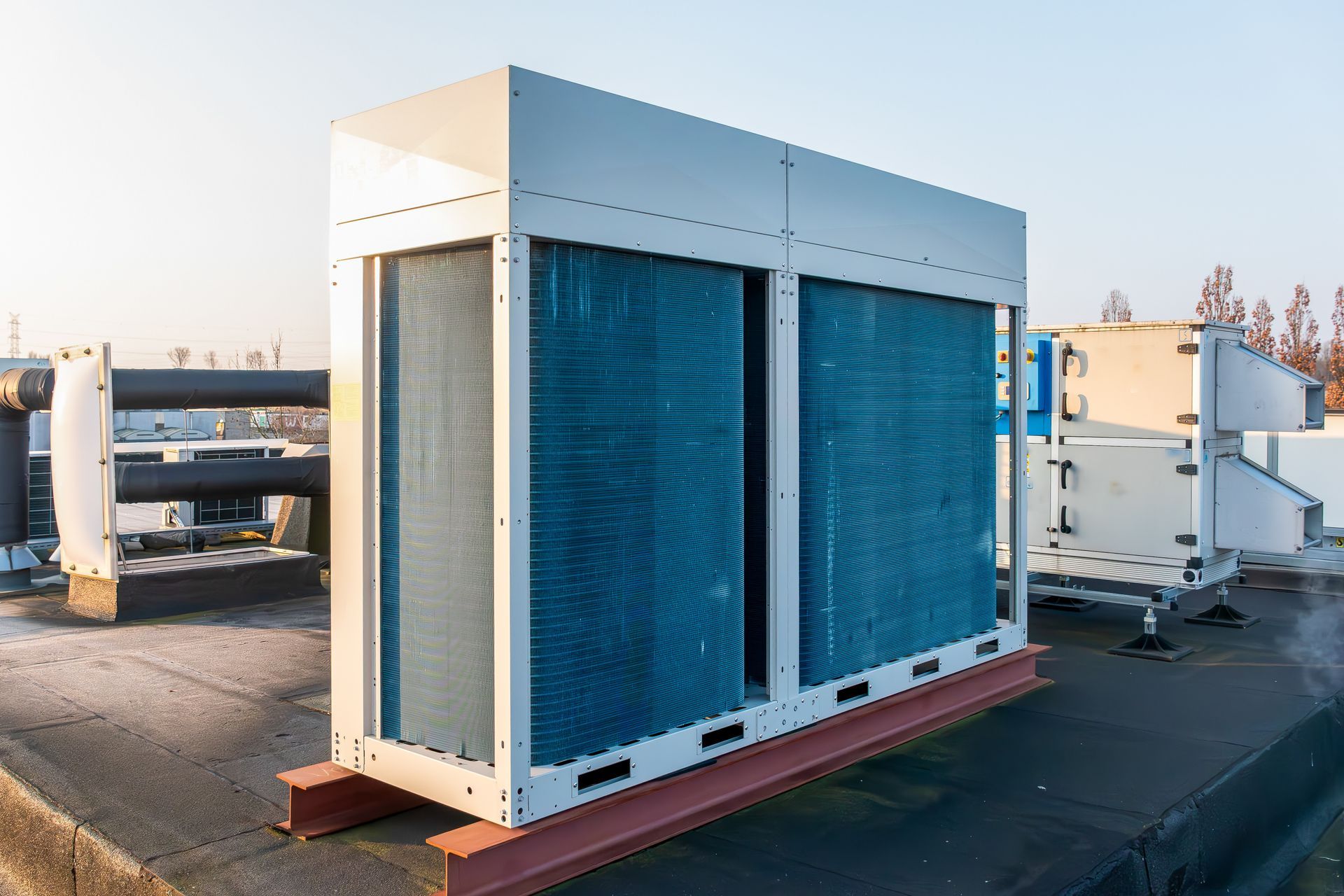
Envelope upgrades, LED retrofits, tighter construction practices and lower plug loads all reduce the amount of conditioning a space needs. Yet HVAC equipment is often replaced at the same tonnage it had decades ago when the building’s first system was installed. Oversizing becomes the default when installers don’t accurately recalculate the load after improvements have been implemented.
Efficiency, comfort and reliability all decline when a unit doesn’t match the building’s real load profile. Bigger equipment delivers less useful conditioning and creates operating conditions the original design never accounted for.
Short Cycling Shows Up First
Oversized units satisfy space temperature quickly and shut off before the system has reached stable operation. Instead of long, efficient cooling cycles, the compressor switches on and off repeatedly. That cycling creates two major costs: reduced efficiency and increased mechanical wear.
Systems that run only in short bursts never reach steady-state coil performance, which is where the unit operates most efficiently. Compressors and blowers shoulder more starts, which accelerates fatigue and elevates electrical stress.
Buildings that have undergone insulation upgrades or lighting retrofits see this happen frequently because their peak loads drop far below the equipment’s capacity.
Humidity Issues Become More Noticeable
Short cycling also cuts dehumidification time. Coils must remain cold for a sustained period to remove moisture effectively. In a low-load building, an oversized unit reaches its thermostat setpoint before meaningful moisture removal occurs. Supply air temperatures bounce, and the space can feel cool but damp.
Facilities with intermittent occupancy are especially vulnerable. Classrooms, meeting rooms and small offices experience rapid swings between empty and full, and oversized equipment rarely adapts well to that pattern. In a climate with strong latent load periods, humidity performance is a real operational concern.
Higher Operating Costs Despite Higher Capacity
Oversizing delivers more tonnage but less usable efficiency. Several energy penalties show up in the field:
- Fan energy remains high because the blower runs at full speed each cycle
- Cycling losses reduce effective SEER or IEER
- Economizers and ventilation controls struggle because they expect steady operating conditions
A unit with excessive load capacity cannot deliver the expected savings, regardless of its nameplate rating.
More Wear on Components and Reduced Service Life
Mechanical stress increases when components never settle into consistent operation. Contactors close more often, relays activate repeatedly and compressors face high starting torque conditions far more frequently. Coils that never operate under stable airflow lose efficiency and run at higher discharge temperatures.
These problems create long-term maintenance costs that look unrelated at first: nuisance breaker trips, intermittent comfort complaints, inconsistent supply temperatures. Oversizing is often the hidden connection.
Why Oversizing Persists in Replacement Projects
Contractors don’t intentionally install oversized replacement units. They appear because the existing tonnage becomes the default choice. While not a universal phenomenon, some installers fail to adjust for all tenant improvements that have reduced internal load over the years or decades.
Envelope sealing and reflective roofing lower peak cooling demand. Occupancy patterns change. Yet when a unit reaches the end of its life, its replacement is often ordered at the same size without the necessary review to ascertain how much the load has changed since the old system was installed.
Right-Sizing Through Updated Load Calculations
An updated load calculation provides a current picture of how the building actually behaves. This involves reviewing envelope improvements, evaluating infiltration and ventilation needs and understanding the modern equipment profile within the space.
It also gives facility managers and owners the opportunity to select equipment with staging or modulation that better matches current day-to-day operating conditions.
The goal should always be to align the unit with the building’s true load so that the equipment can run long enough to control temperature, humidity and airflow consistently.
Maintain Better Building Performance in DFW By Matching Capacity With Demand
Spaces that have suffered from bounce, humidity drift or inconsistent supply temperatures after changing use patterns or efficiency upgrades often stabilize once the equipment matches the current load.
Cycling decreases, economizers operate more effectively and indoor comfort improves with fewer mechanical stresses. Buildings with wide occupancy swings benefit the most because properly sized equipment handles part-load conditions more predictably.
If you're developing a replacement plan or reviewing equipment that no longer matches your building’s load, coordinate a sizing review with Tom’s Commercial by calling 817-857-7400. We can evaluate your current envelope conditions and provide recommendations that align capacity with real-world performance.