Split Unit vs. Straight Package Unit: Choosing the Right HVAC System for Your Business
Share
Some property owners and facility managers may not begin seriously considering HVAC replacement options until their current system fails and they need to make a quick decision. Choosing the best system isn’t always easy. It’s a consequential decision with significant budgetary and performance ramifications.
The commercial HVAC professionals at Tom’s Commercial in Arlington are always prepared to provide a bid or second opinion quickly. We know you’re on a tight deadline and can quickly send someone to assess your property and provide a detailed estimate.
Two of the most popular systems for our clients in Arlington are split units and straight package units. Each is highly effective in our climate, and there are applications where either can provide effective cooling performance. There are also some situations where one option is clearly preferable.
What Is a Split Unit?
A split unit consists of two main components:
- An outdoor condenser unit, which houses the compressor and cooling coil.
- An indoor air handler, which circulates cooled air through the building.
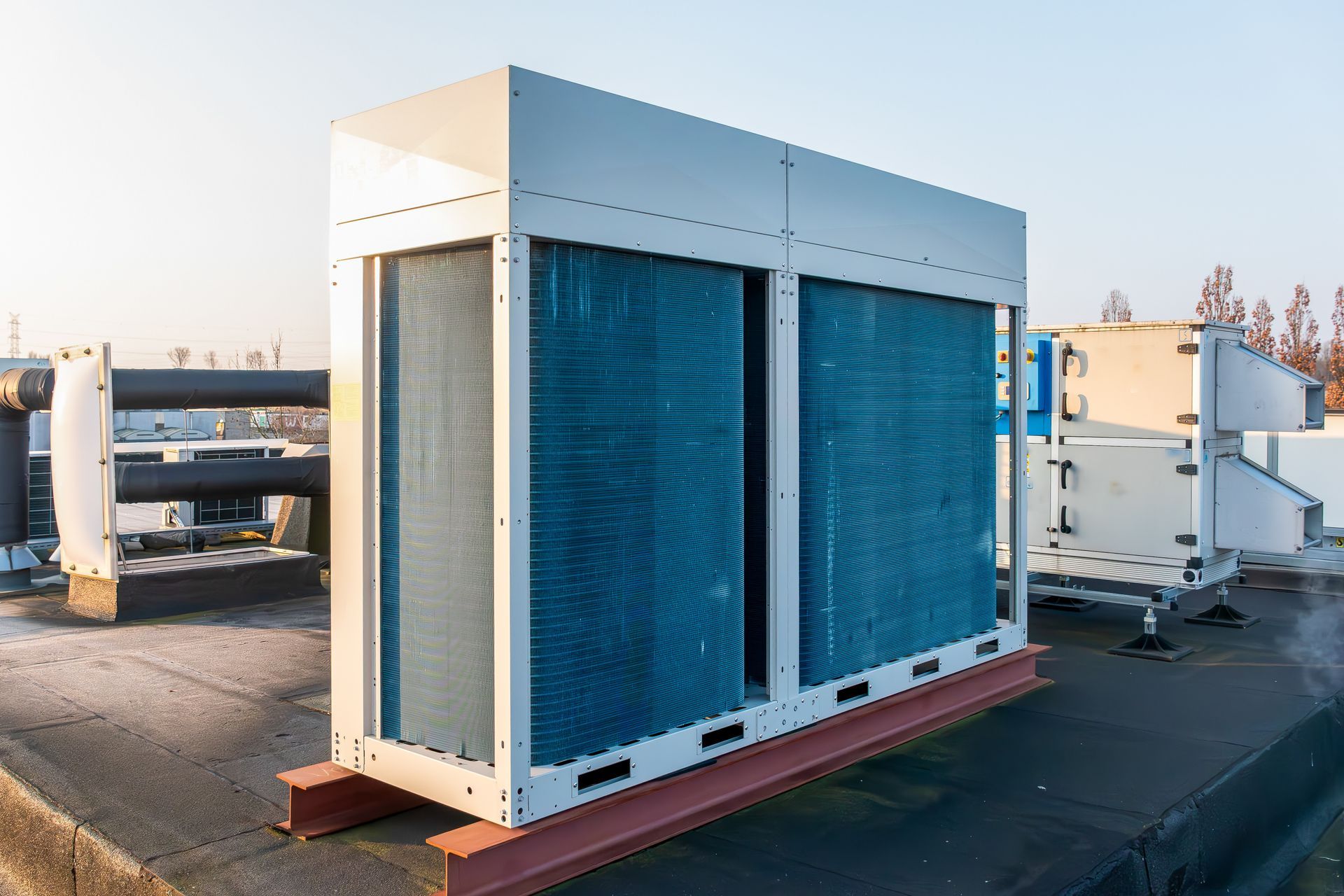
These two components are connected by refrigerant lines, allowing the system to distribute conditioned air efficiently. Split units come in cooling-only and heat pump models, giving businesses the option for both heating and cooling in one system.
Best Applications for Split Units
- Multi-zone buildings where different areas require independent temperature control.
- Offices that need separate cooling for conference rooms, workspaces and lobbies.
- Multi-family residential properties, where individual units need their own HVAC system.
- Churches and schools that require zoning for classrooms, auditoriums and office spaces.
What Is a Straight Package Unit?
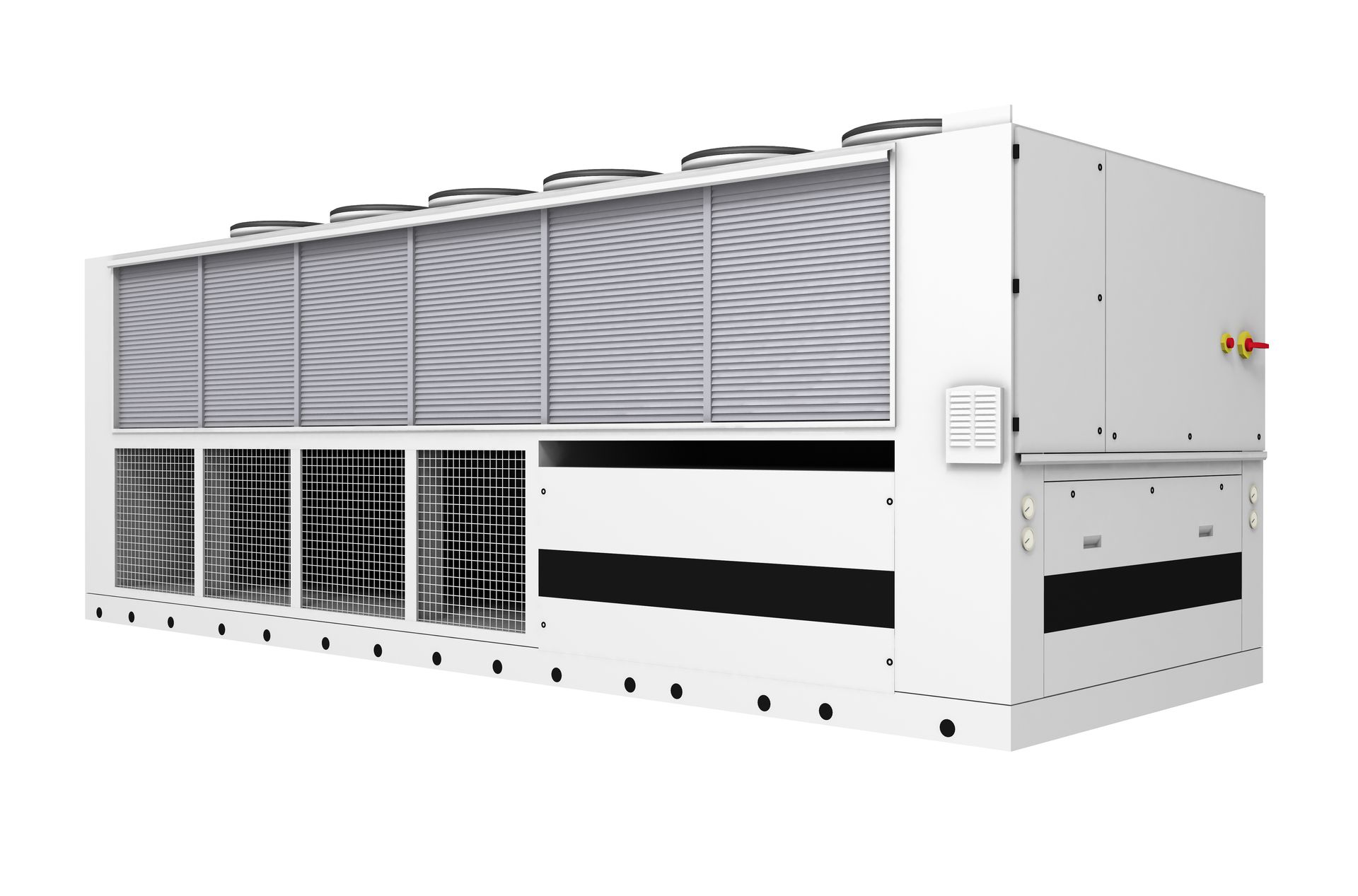
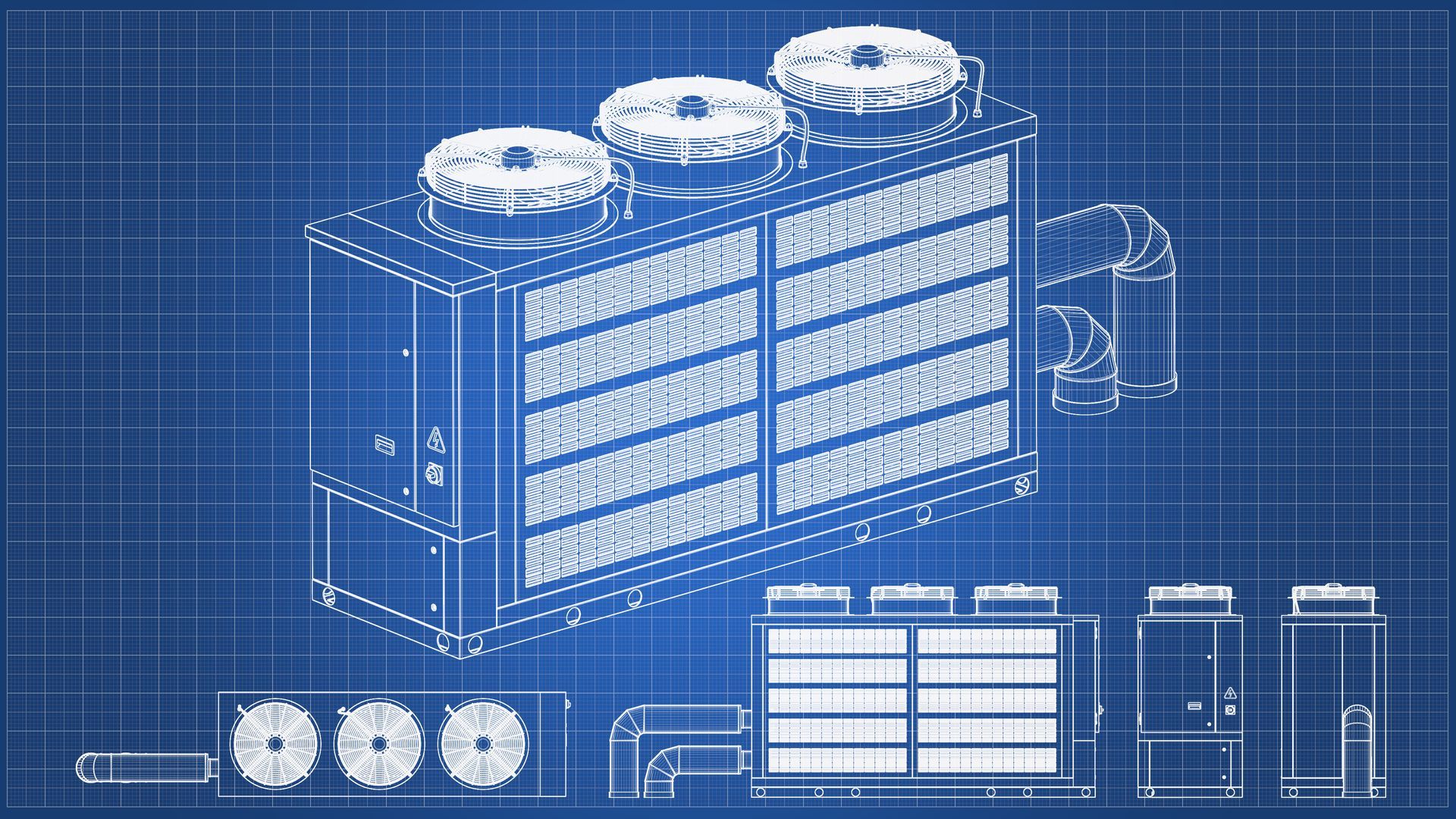
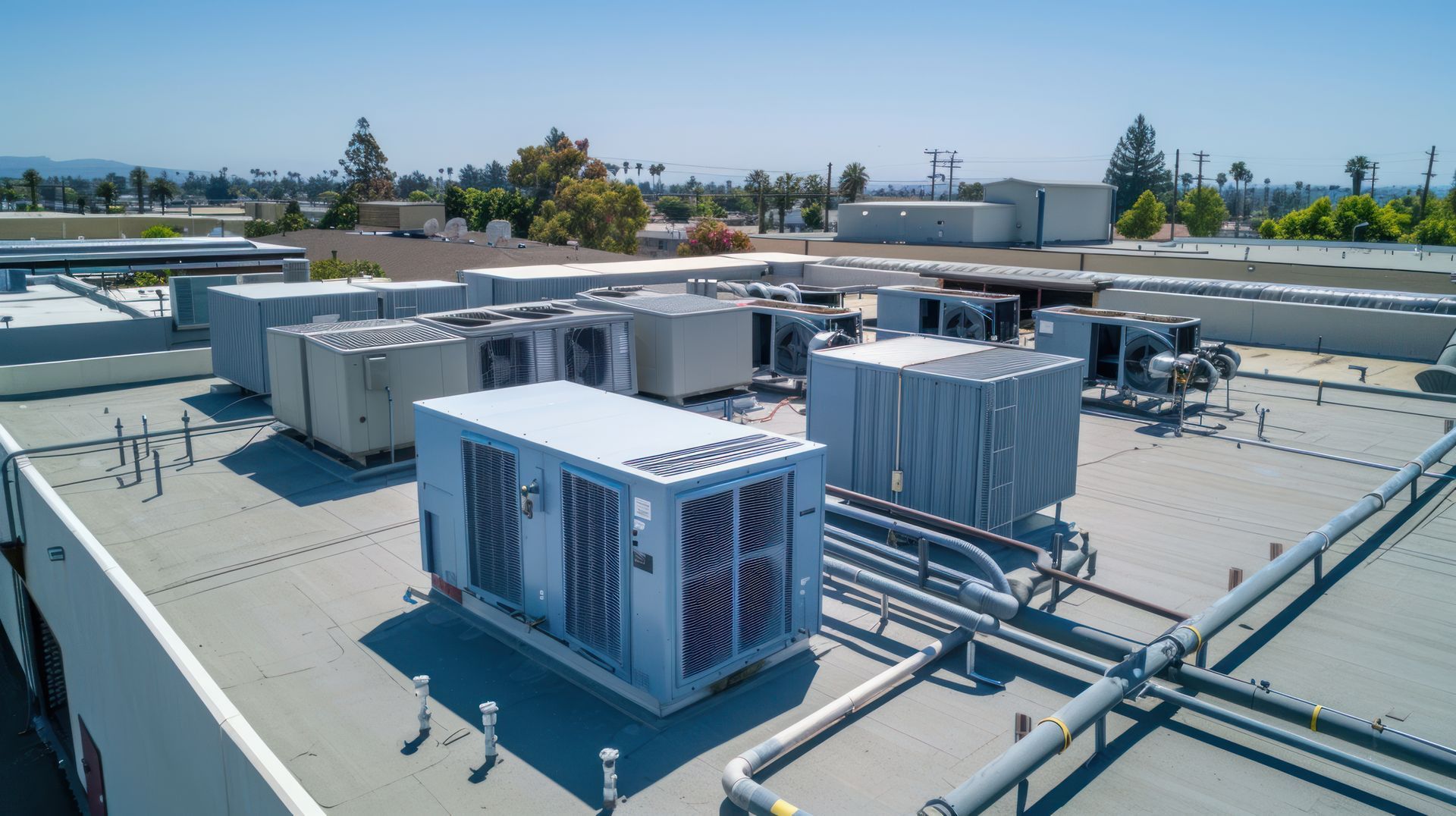
A straight package unit is a self-contained HVAC system that houses all components inside a single cabinet, including the compressor, condenser, evaporator coil and blower. These units are typically mounted on the roof or on a concrete pad outside the building and are ducted to distribute conditioned air.
Unlike package heat pumps, straight package units provide cooling only. Heating is handled separately, typically by a furnace or electric strip heater.
Best Applications for Straight Package Units
- Warehouses and large industrial spaces that need powerful cooling with minimal indoor equipment.
- Single-story office buildings where rooftop installations make sense.
- Churches and schools looking for an all-in-one cooling solution.
- Buildings with limited indoor space that benefit from an external unit.
Installation Considerations: Where and How They Can Be Installed
Split Unit Installation
- Requires both indoor and outdoor space to accommodate the condenser and air handler.
- Can be installed in a mechanical room, mounted on a ceiling or placed in an out-of-the-way space inside the building.
- Typically requires a day or two for replacement, though additional time may be needed for new refrigerant lines or ductwork modifications.
- Works well in buildings where zoning and flexibility are key considerations.
Straight Package Unit Installation
- Installed on the roof or a ground-level concrete pad to save interior space.
- Requires ductwork to distribute conditioned air inside the building.
- Replacement of an existing unit typically takes a day, or slightly longer if structural modifications are needed for mounting.
- Best suited for buildings designed with packaged unit installations in mind.
Cost Comparison: Which System Is More Expensive?
Upfront Equipment Cost
- Split units are generally less expensive on a per-unit basis but may require additional components like an air handler or additional ductwork.
- Straight package units have a higher upfront cost since everything is housed in one cabinet, but they simplify installation.
Installation Costs
- Split units may require more labor due to refrigerant line installation and zoning configurations, which can drive up costs.
- Straight package units tend to have lower installation costs since they come pre-assembled and only require placement and ductwork connection.
Maintenance and Longevity
- Split units have separate components, which can make individual part replacements easier and more cost-effective over time.
- Straight package units are fully contained, making routine maintenance simpler, but if a major component fails, replacing the whole unit may be necessary.
Energy Efficiency and Long-Term Costs
- Split systems can offer better energy efficiency, particularly when multiple zones are needed, leading to long-term savings.
- Straight package units are efficient in large, open spaces but may not be as cost-effective in buildings that need temperature zoning.
Which System Is Right for Your Arlington Business?
Both split units and straight package units offer benefits depending on your building layout, cooling needs and budget. If flexibility and zoning are important, split units may be the better choice. If you need a space-saving, all-in-one cooling system, a straight package unit might be the right fit.
Tom’s Commercial specializes in installing and servicing both types of systems, helping businesses in Arlington, TX find the most efficient and cost-effective HVAC solutions. Call us today at 817-857-7400 for a quote or to discuss your building’s cooling needs.