Types of HVAC Systems for Commercial Properties in Arlington
Share
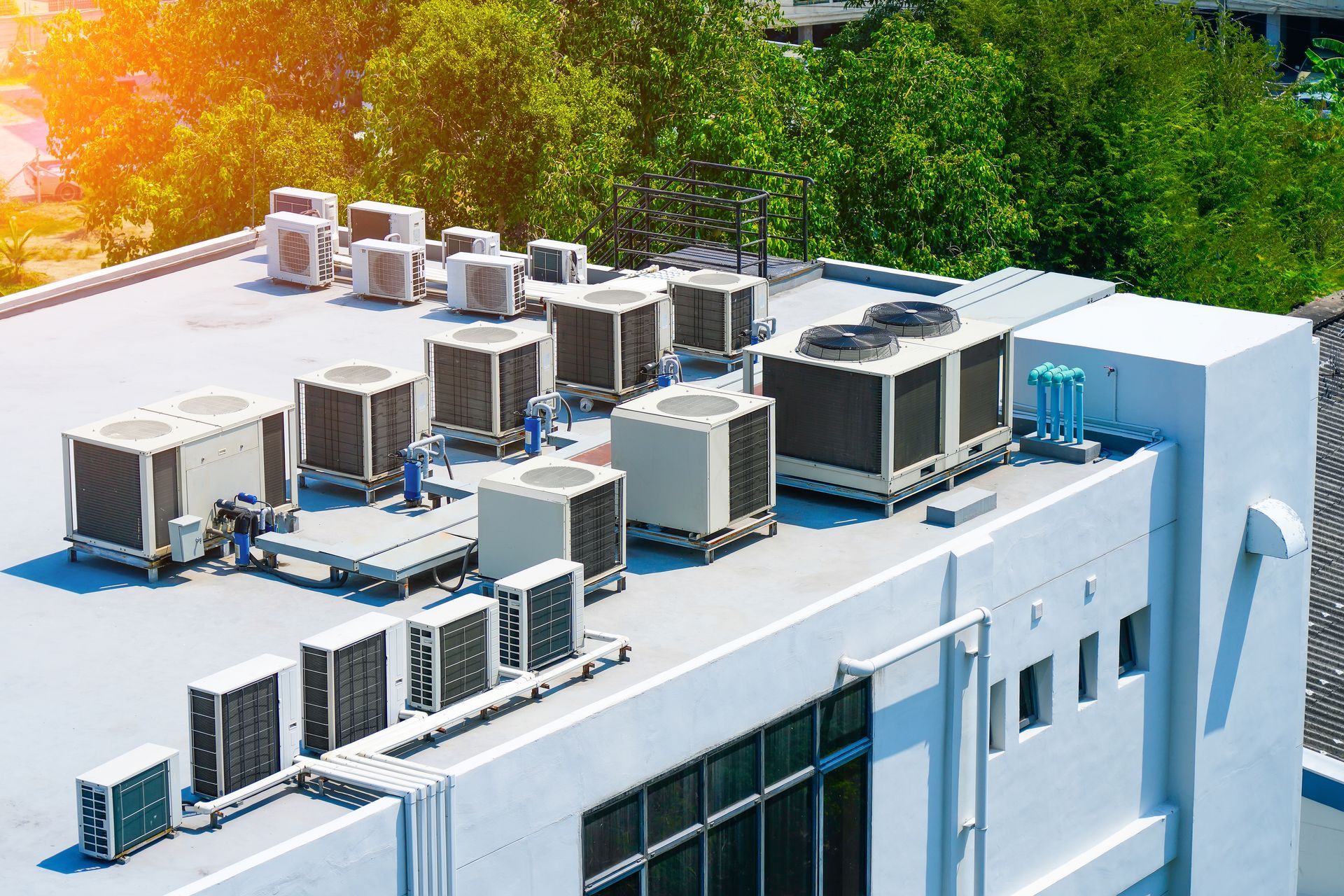
Choosing the right HVAC system is critical for maintaining comfort and efficiency in commercial buildings. In Arlington, TX, and the greater Dallas-Fort Worth area, businesses and institutions rely on different types of HVAC systems to meet their specific needs.
Some organizations rely on precise climate control for their operations, while others prioritize balancing performance with affordability. For businesses with specialized needs, one HVAC system may be clearly superior, but most commercial properties can choose from multiple effective temperature control solutions.
At Tom’s Commercial, we’re committed to offering solutions tailored to your facility’s specific needs and your organization’s budget.
Packaged Rooftop Units (RTUs)
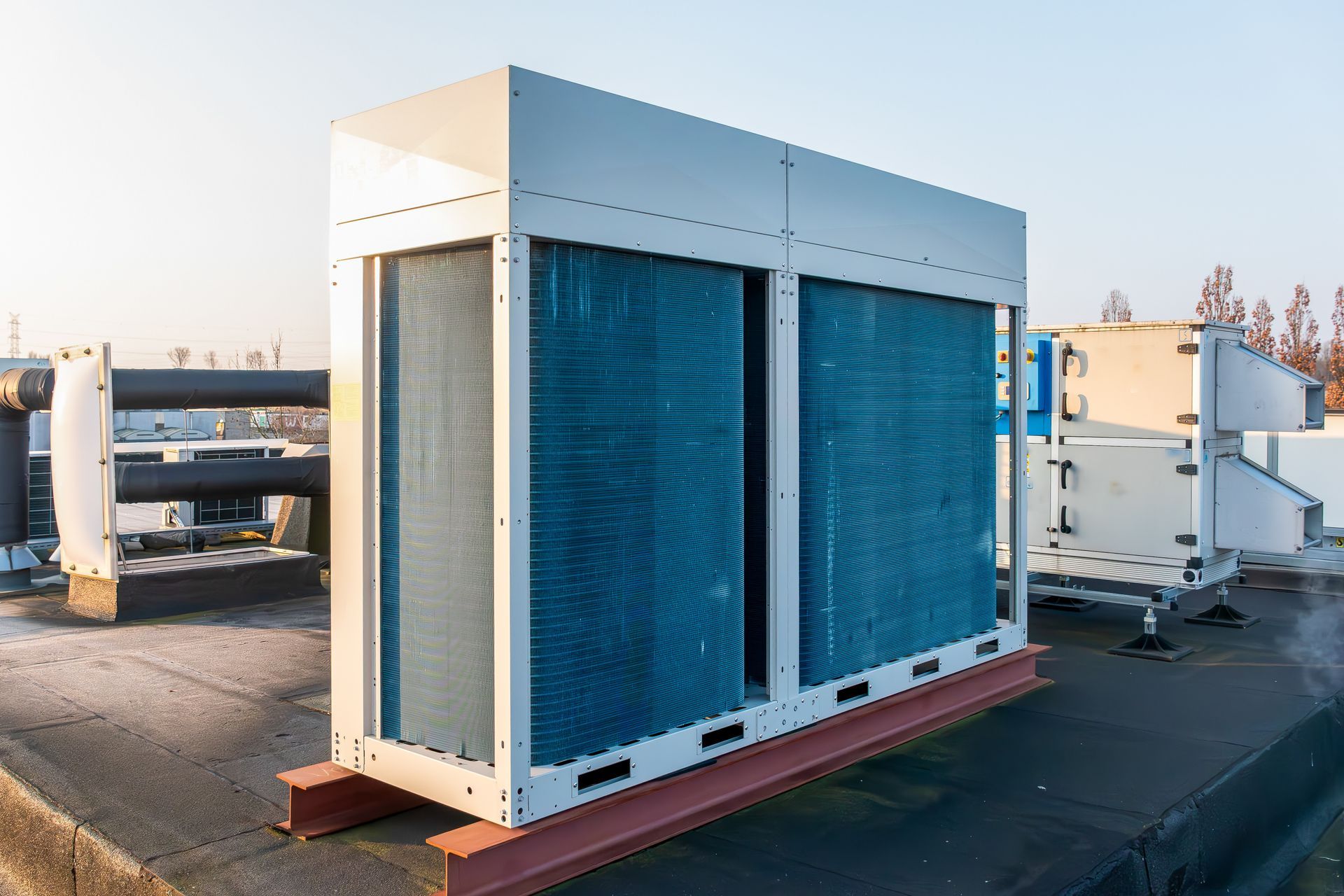
Widely used in schools, offices and houses of worship, packaged rooftop units (RTUs) are self-contained systems installed on the roof. They provide heating and cooling by drawing in outside air, conditioning it and distributing it through ductwork. RTUs are valued for their space-saving design, energy efficiency and ease of maintenance.
Straight Packaged Units
A straight package unit is a type of packaged HVAC system that provides only cooling. It includes all components—compressor, condenser, evaporator coil and blower—housed in a single outdoor unit, which can be installed on the roof or ground.
Unlike heat pump package units, which can provide both heating and cooling by reversing the refrigerant flow, a straight package unit requires a separate heating system, such as an electric strip heater, gas furnace or boiler.
These units are common in warmer climates like DFW, where cooling demand is high and buildings may use a separate heating source when necessary. They are often used in offices, schools and industrial facilities.
Split Systems
Split systems consist of separate indoor and outdoor units and are commonly used in multi-family residential buildings and smaller commercial offices. These systems offer flexible installation options and can be customized for different spaces. They are often chosen for their affordability and efficiency in moderate-sized buildings.
Variable Refrigerant Flow (VRF) Systems
VRF systems are ideal for multi-zone buildings such as office complexes and schools. They use refrigerant as the cooling and heating medium, allowing for simultaneous heating and cooling in different areas of a building. These systems are known for their energy efficiency, precise temperature control and quiet operation.
Chilled Water Systems
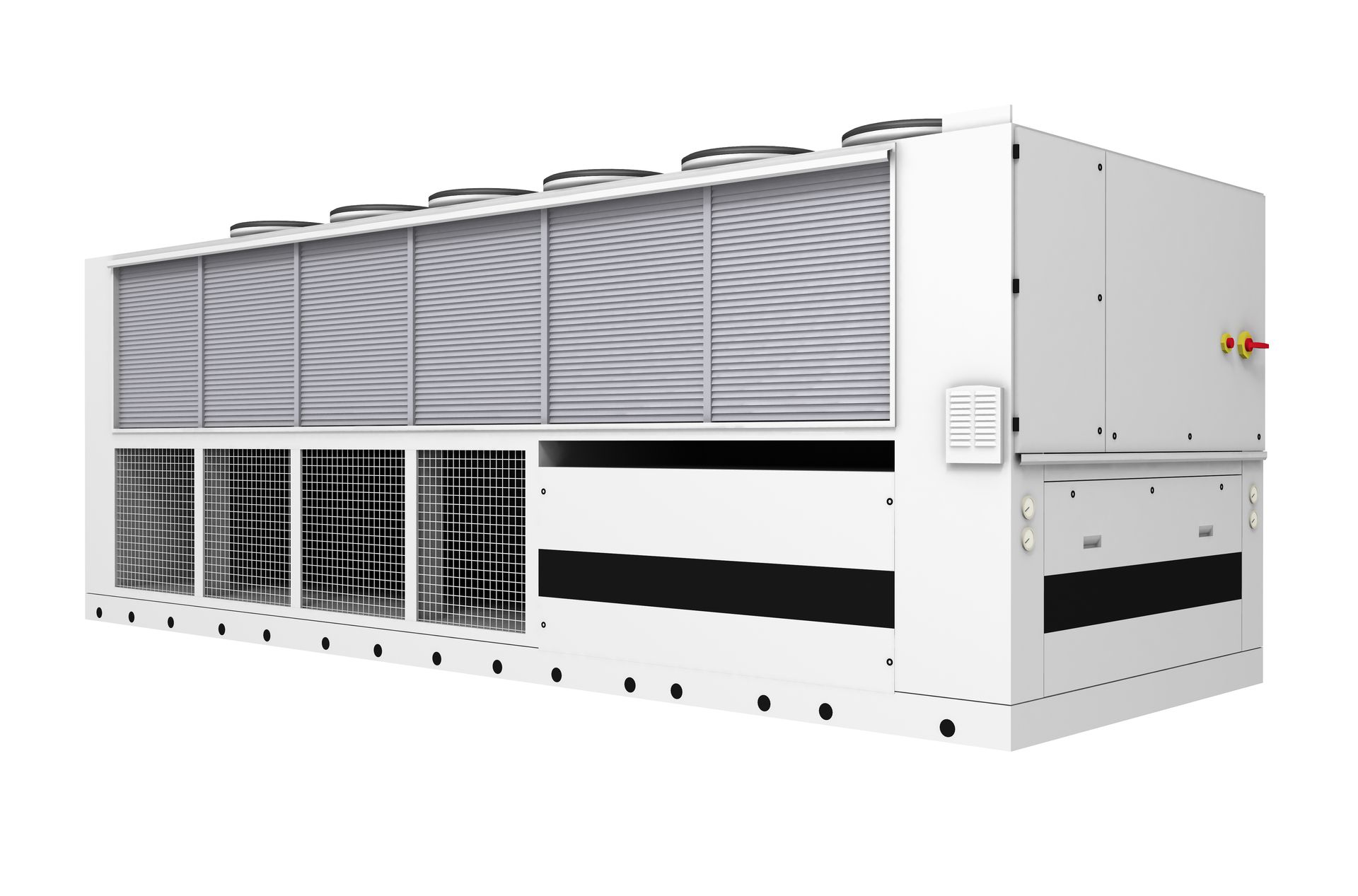
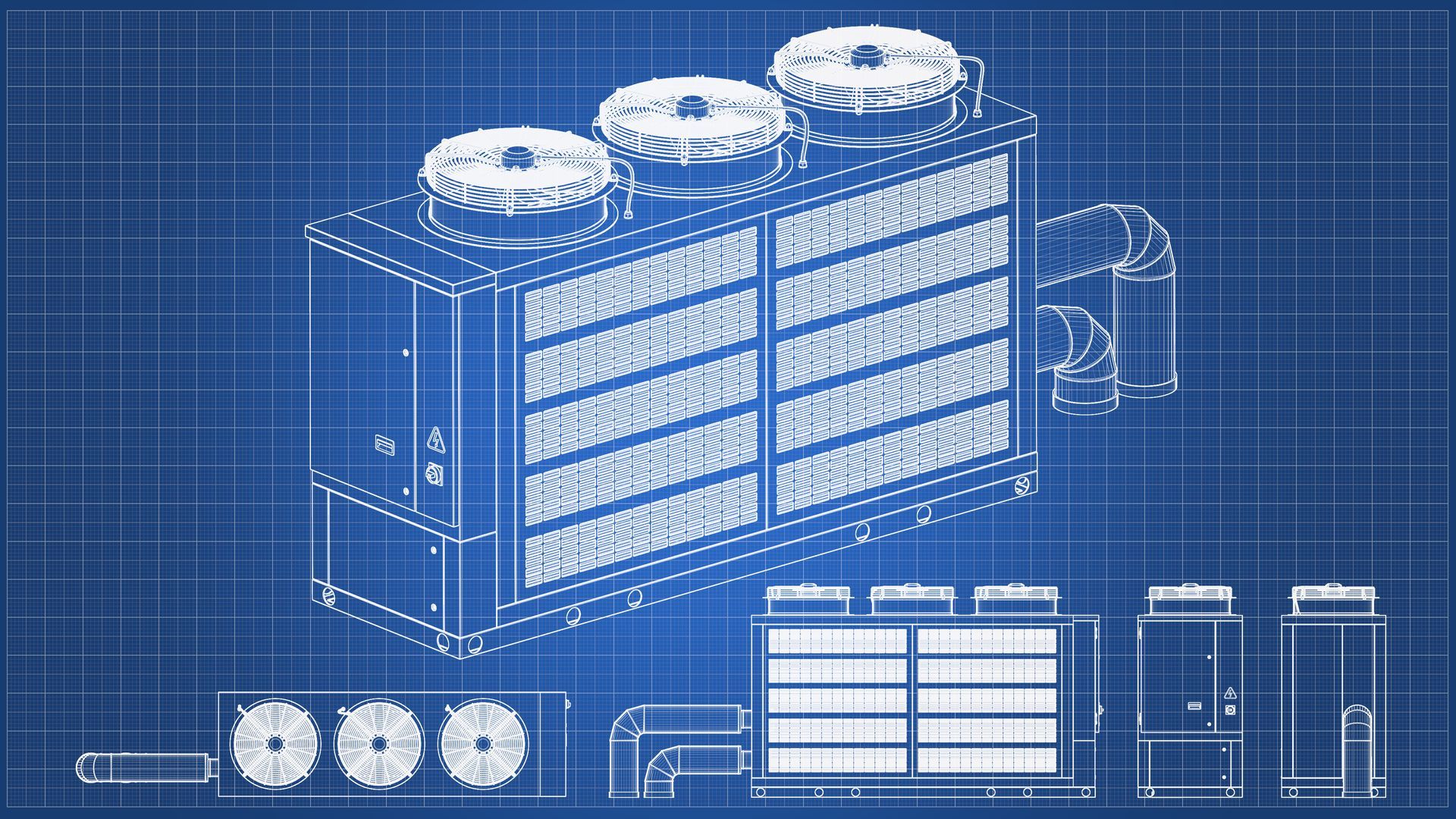
Industrial facilities and larger institutions often use chilled water systems for cooling. These systems circulate chilled water through a network of pipes to air handling units, which then distribute cool air throughout the building. Chilled water systems are known for their scalability and ability to provide consistent cooling for large spaces.
Boilers and Hydronic Heating Systems
Houses of worship, schools and some industrial facilities use boilers for heating. Hydronic heating systems distribute hot water or steam through radiators, baseboard heaters or in-floor heating systems. These systems provide even, consistent heat and can be more energy-efficient than forced-air heating in certain applications.
Makeup Air Units (MAUs) and Dedicated Outdoor Air Systems (DOAS)
Industrial buildings and schools often require fresh air ventilation, which is where makeup air units (MAUs) and dedicated outdoor air systems (DOAS) come in. These systems improve indoor air quality by bringing in fresh air while maintaining proper temperature and humidity levels.
Heat Pumps
For energy-efficient heating and cooling, heat pumps are a popular choice in office buildings and multi-family residential properties. Air-source and ground-source (geothermal) heat pumps can provide year-round climate control by transferring heat rather than generating it.
Custom HVAC Solutions for Industrial Facilities
Industrial facilities often require specialized HVAC systems tailored to their specific operational needs. Whether managing air quality in manufacturing facilities or maintaining precise temperature control in warehouses, custom-engineered HVAC solutions ensure efficiency and compliance with regulatory standards.
Choosing the Right Heating and Cooling Solution for Your Facility in Arlington
Selecting the right commercial HVAC system depends on building size, occupancy levels and budget. Whether you manage a school, house of worship, office, industrial facility or multi-family property, working with a qualified commercial HVAC company in Arlington is the most reliable way to ensure your system meets your performance needs.
Call Tom’s Commercial today at 817-857-7400 to consult with a local provider that has been servicing local businesses and organizations since 1960.