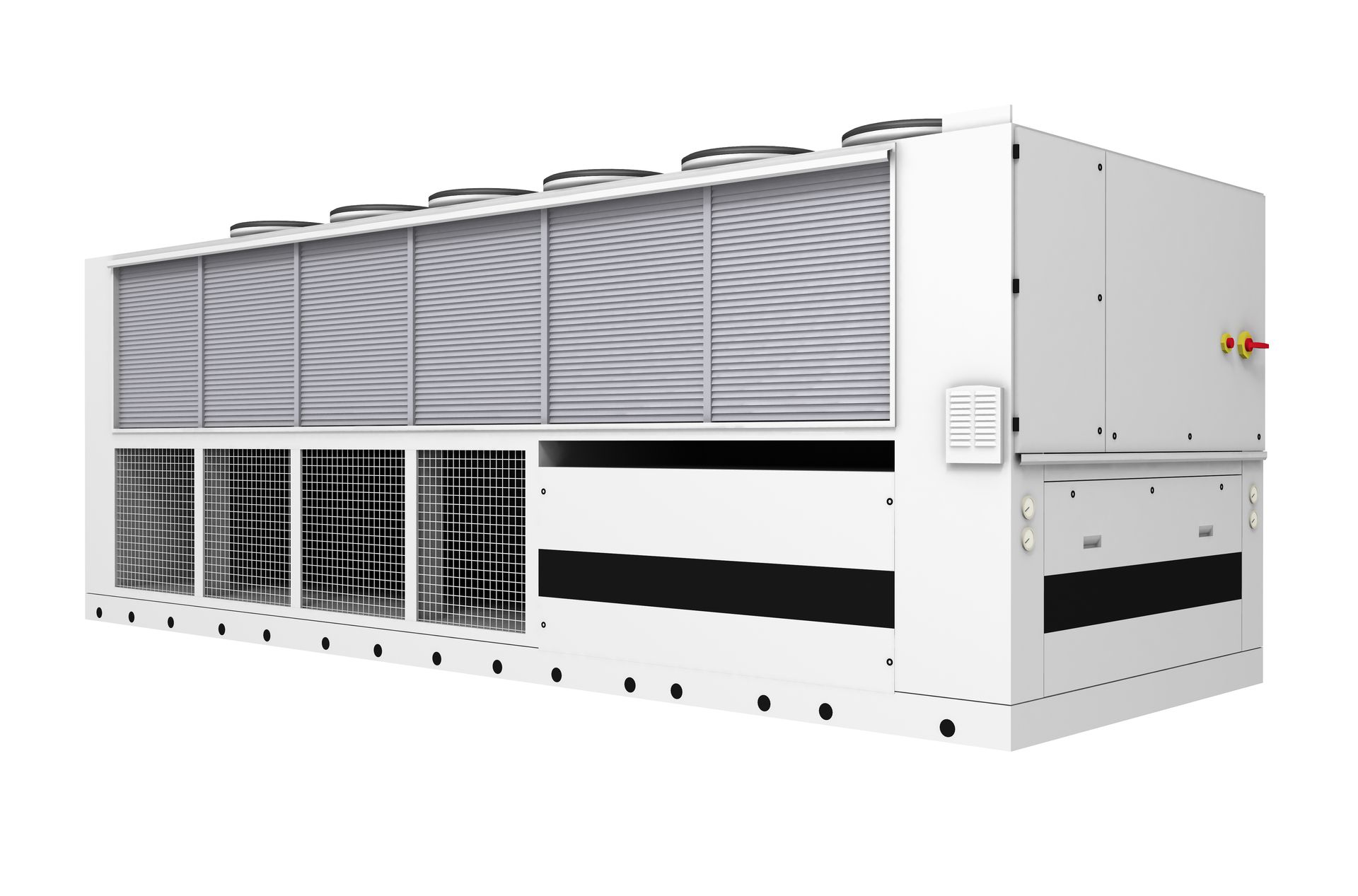
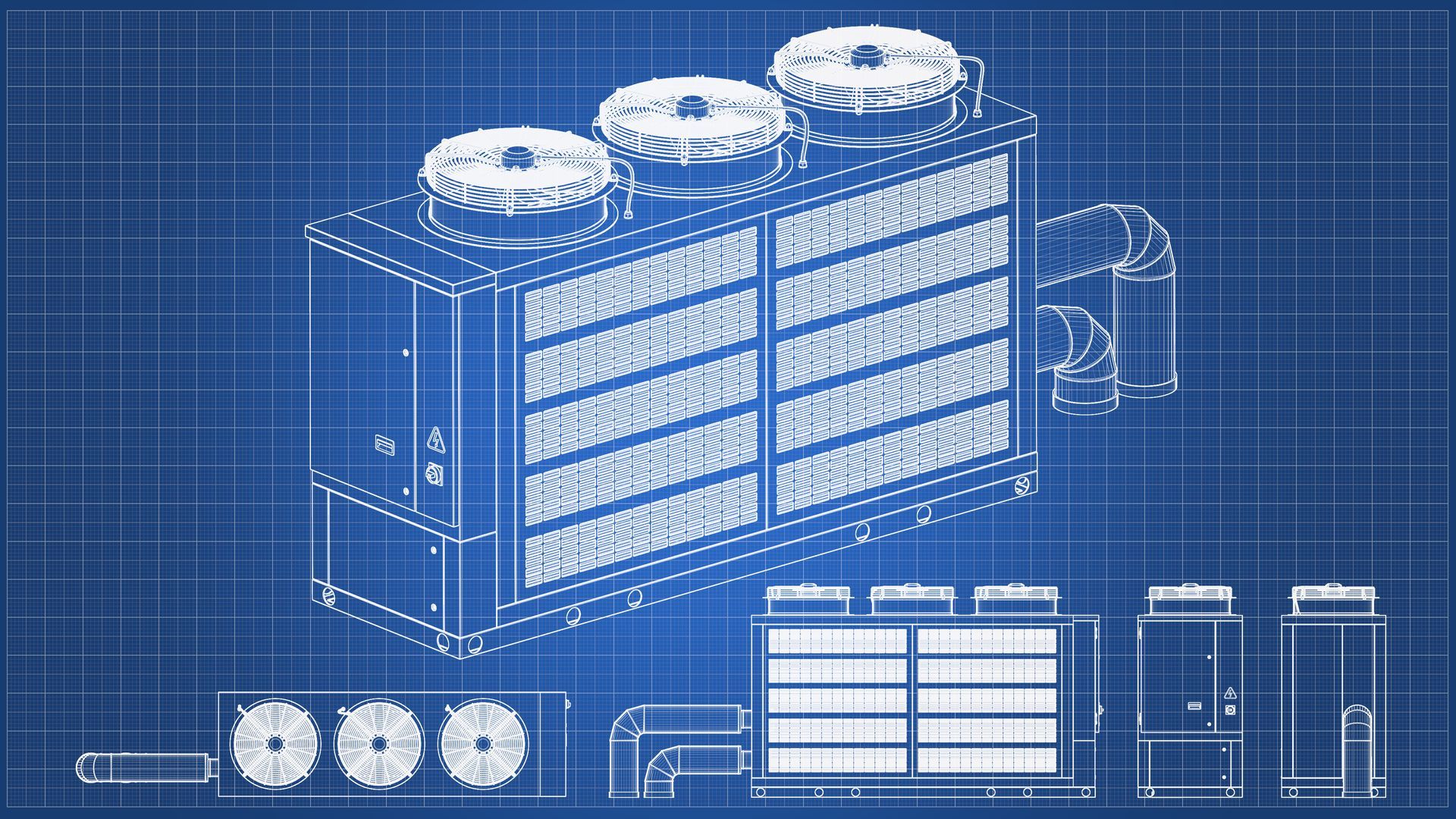
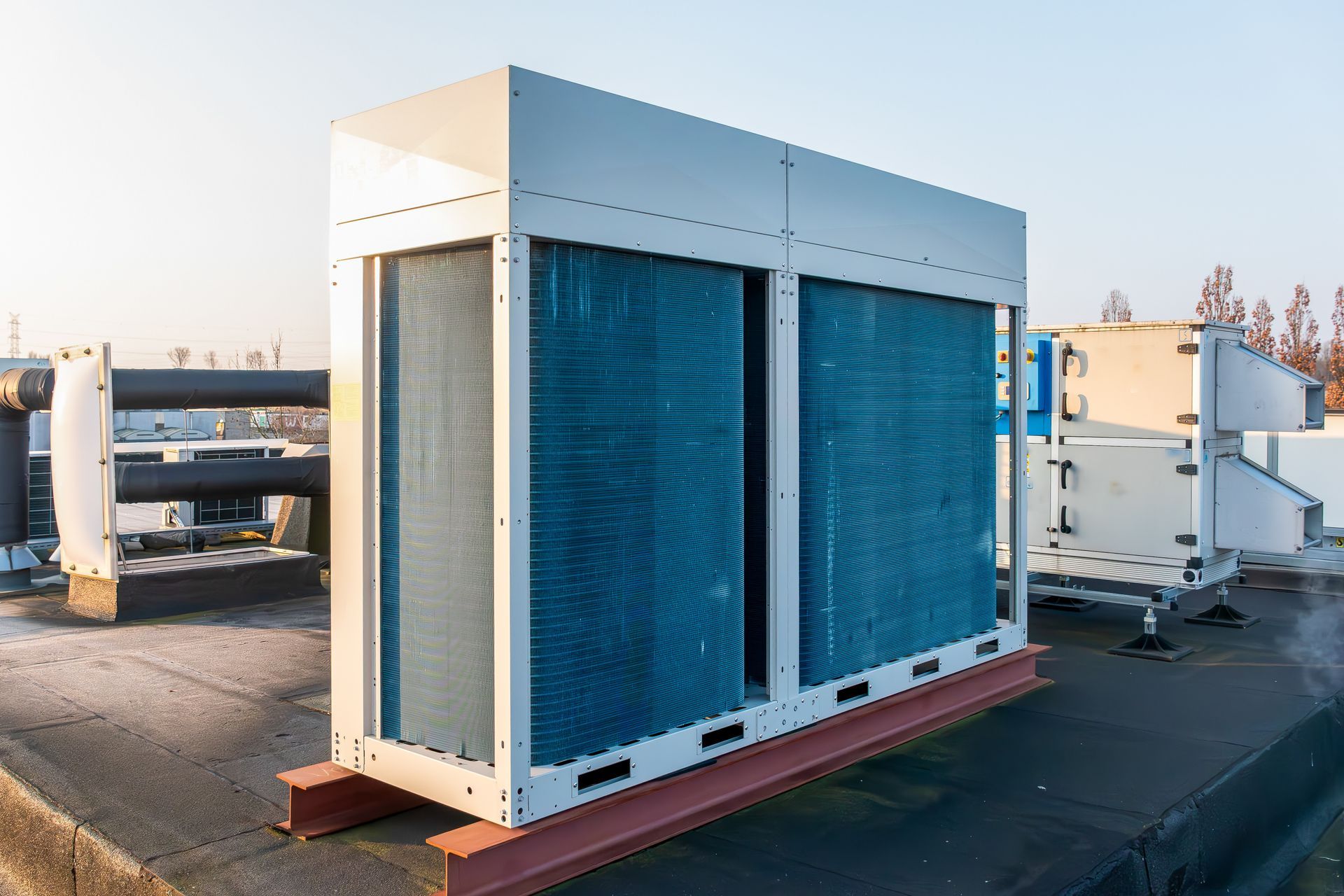
Why Most Apartment Communities in Arlington Use Individual HVAC Systems Instead of Chillers
Share
While some multifamily properties use centralized cooling, individual heat pumps and split systems are far more common in Arlington and Fort Worth.
This isn't because chillers are outdated or ineffective. The decision is typically incorporated into the design before a community is built. Switching from a chiller to individual HVAC units or vice versa is often prohibitively expensive, so new owners are usually stuck with the builder’s initial choice.
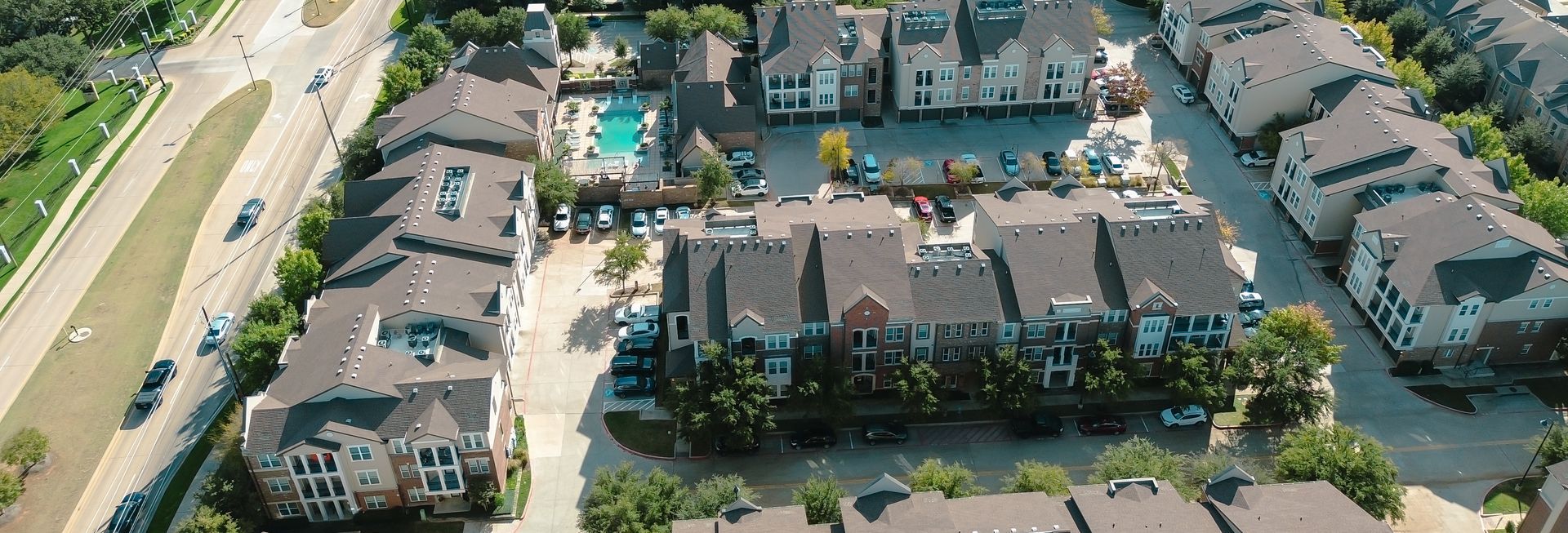
For the most part it’s a matter of layout. In cities where apartments are mostly in mid-rise or high-rise buildings, chillers are much more common. In Arlington and Fort Worth, where the vast majority of apartments are garden-style multifamily developments, individual units are much more practical.
The Typical Arlington Apartment Community
The typical apartment community in Arlington features:
- Multiple low-rise residential buildings
- Large sites spread across several acres
- Surface parking
- Outdoor walkways and breezeways
- Separate mechanical systems serving individual apartments
This style of construction differs significantly from the mid-rise and high-rise apartment buildings more commonly found in downtown Dallas or Fort Worth. Because these properties are spread out across larger sites, individual HVAC systems often fit naturally into the overall design.
Individual HVAC Systems Fit Garden-Style Construction
Depending on the property, HVAC systems may include:
- Heat pumps
- Split systems
- Packaged HVAC units
- Other apartment-specific equipment
This approach offers several practical advantages:
- Each apartment can be conditioned independently
- Equipment can be replaced one unit at a time
- Renovations can be performed in phases
- Future equipment upgrades can be spread over multiple years
For many property owners, this flexibility aligns well with the long-term management of large apartment communities.
Utility Billing Is Simpler
One of the biggest advantages of individual HVAC systems is the simplicity of utility billing. Because each apartment has its own equipment:
- Residents control their own thermostat settings
- Residents pay for their own electricity usage
- Cooling costs are tied directly to individual consumption
- Property owners have fewer shared utility expenses to manage
By comparison, central chiller systems typically serve multiple apartments from a common cooling plant. While these systems can be highly effective, allocating cooling-related costs may require additional planning depending on how the property is configured.
HVAC Problems Affect Fewer Residents
Maintenance and service considerations also influence HVAC design decisions. With individual HVAC systems:
- A failure typically affects only one apartment
- Repairs can often be scheduled on a unit-by-unit basis
- Equipment replacement can occur gradually over time
- Problems are generally isolated to a specific resident or area
This can simplify service coordination and reduce the impact of equipment failures on the broader property.
Centralized systems create a different maintenance environment. While there may be fewer major pieces of equipment to maintain, those systems often serve larger portions of the property. Outages make many tenants angry, which is more unpleasant to deal with than a single disgruntled resident.
Why Some Multifamily Properties in DFW Still Use Chillers
Although individual systems dominate many apartment communities in Arlington and Fort Worth, central chillers continue to play an important role in certain types of multifamily properties, particularly:
- Mid-rise apartment buildings
- High-rise residential towers
- Mixed-use developments
- Luxury multifamily projects
- Certain older apartment communities
As buildings become larger and more densely occupied, centralized cooling infrastructure can become more practical from both a design and operational perspective.
Building height, available mechanical space and overall development goals often influence which approach is selected during construction.
Chillers Are Different, Not Obsolete
The prevalence of individual HVAC systems in Arlington and Fort Worth does not mean central chillers have disappeared from the multifamily market. The two approaches are just associated with different types of properties.
Many garden-style apartment communities simply do not have the size, density or design characteristics that typically justify centralized cooling infrastructure.
But in downtown Fort Worth, central chillers continue to serve many mid- and high-rise residential properties where centralized maintenance, building design and cooling requirements make that approach attractive.
When property design allows for either approach, individual HVAC systems are often the more practical option because they simplify resident control, utility billing, service access and phased replacement planning.
Multifamily HVAC Service in Arlington and Fort Worth
Tom's Commercial works with multifamily property owners and managers throughout Arlington and Fort Worth to maintain, evaluate and plan for commercial HVAC systems. Contact our team today at 817-857-7400 to discuss your property's HVAC needs.