Why One RTU Keeps Failing While the Others Keep Running
Share
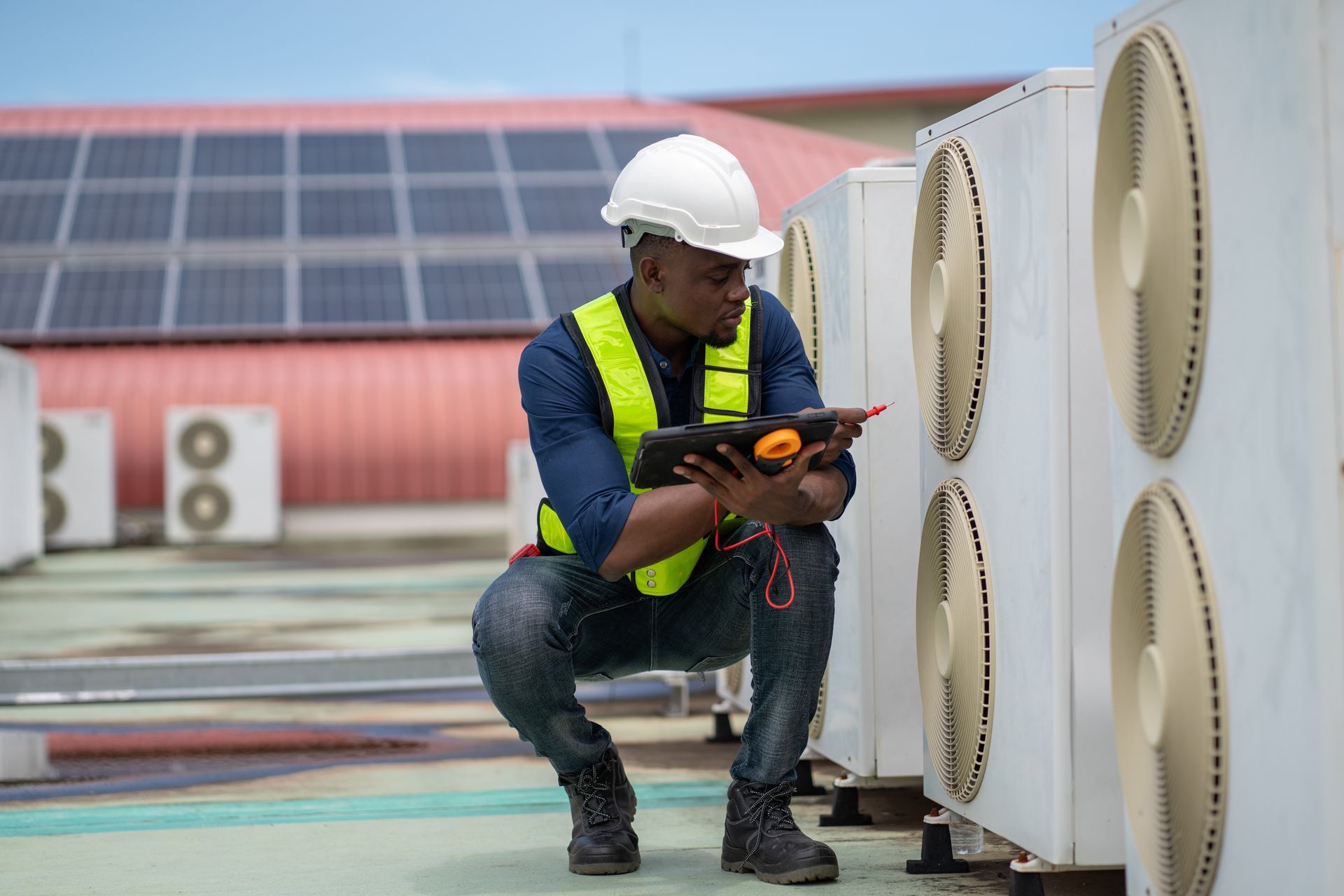
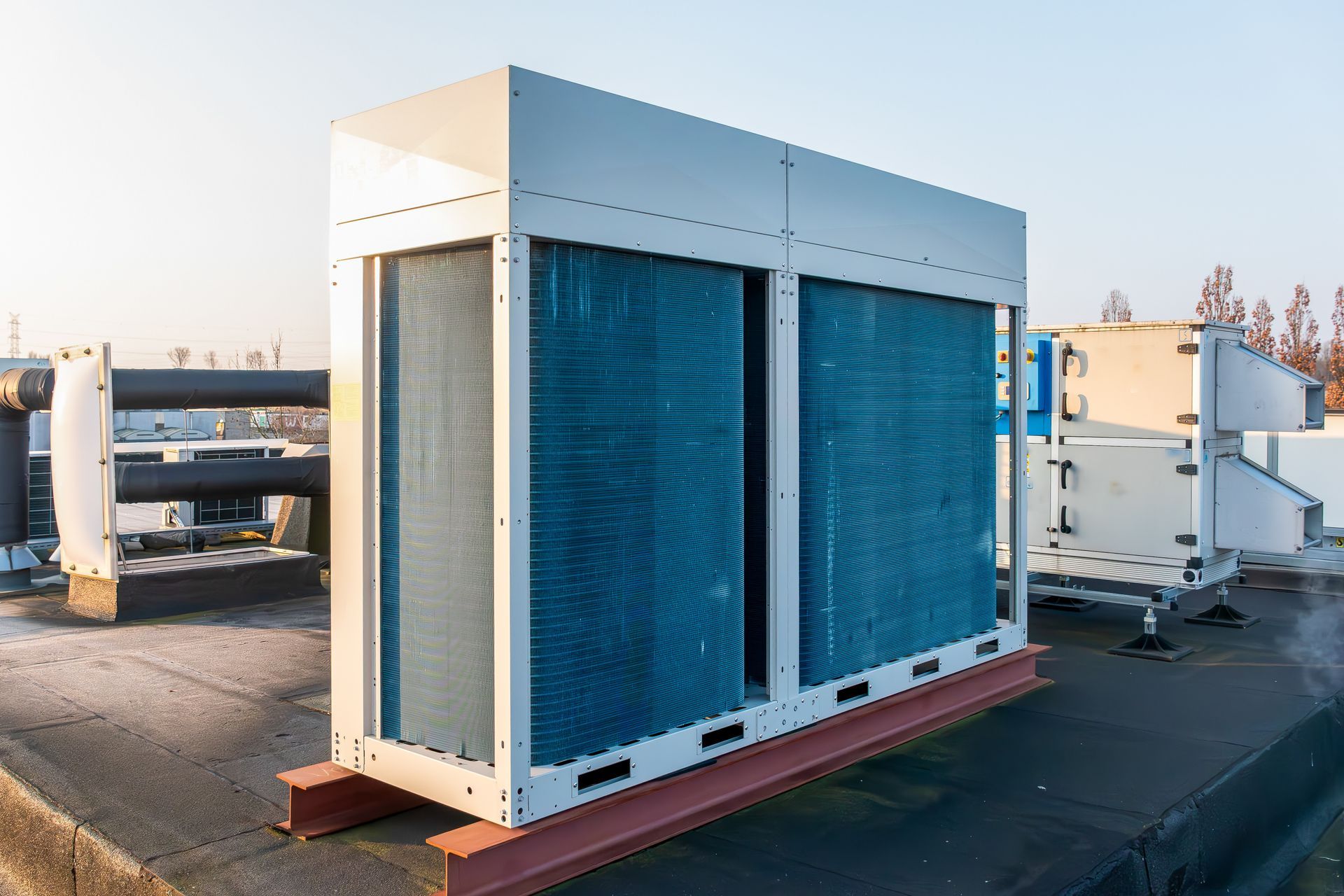
Even when all of a building’s RTUs were installed at the same time, it's not unusual for one unit to generate far more AC repair calls than the others.
Repeated failures are rarely the result of bad luck. If the same unit continues developing problems while neighboring RTUs operate normally, there's often an underlying issue causing that equipment to work harder or operate under different conditions.
It May Be Serving the Most Demanding Area of the Building
Not every rooftop unit carries the same workload. One RTU may serve:
- South- or west-facing offices
- Areas with large expanses of glass
- Kitchens or break rooms
- Server rooms or equipment spaces
- High-occupancy areas
Those spaces often place greater demands on the HVAC system, especially during DFW summers. Longer run times naturally increase wear on motors, compressors and electrical components.
Airflow Restrictions Can Increase Equipment Stress
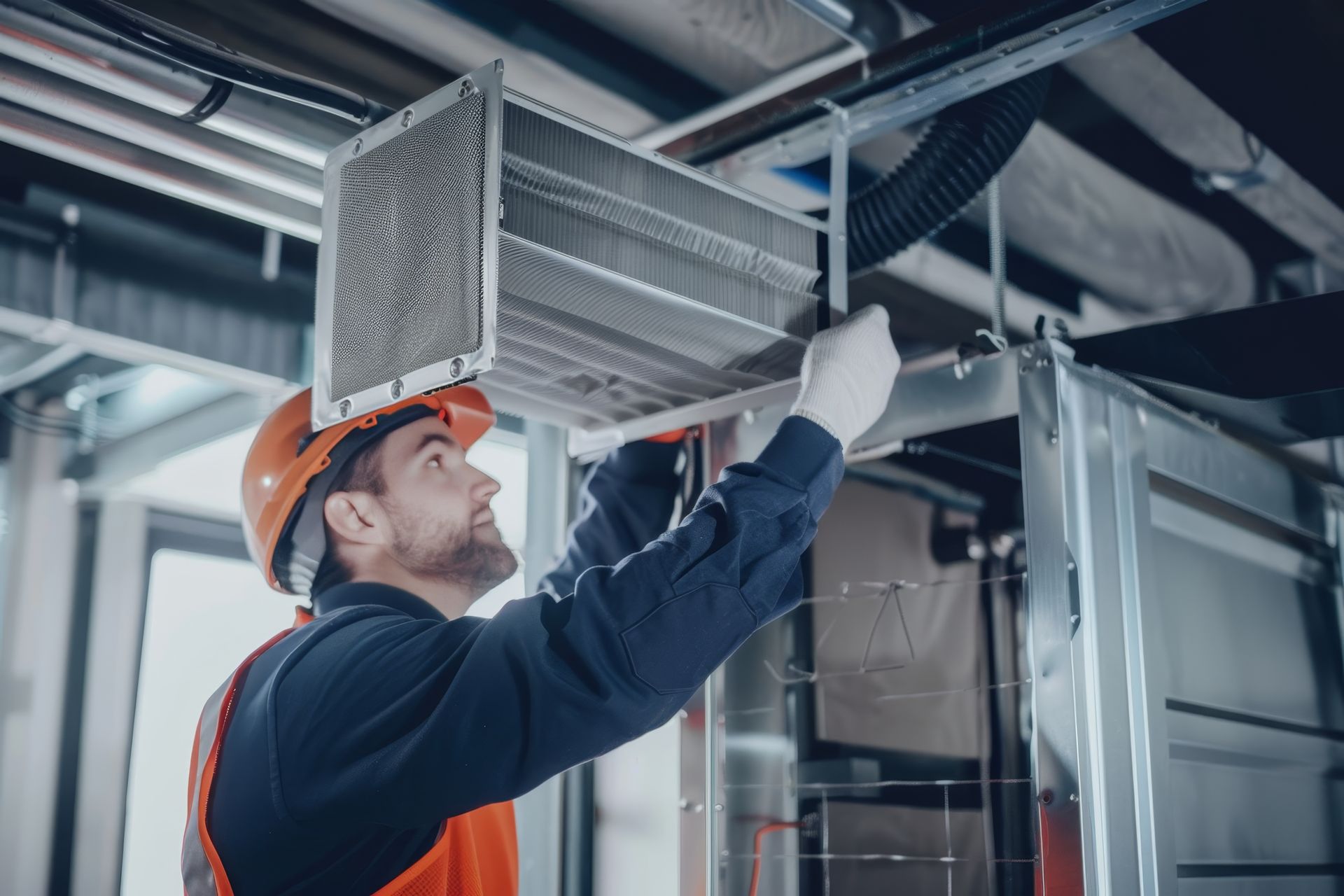
Proper airflow is essential for reliable, efficient operation. If one RTU has restricted airflow, it may work significantly harder than the rest of the system. Common causes include:
- Dirty air filters
- Dirty evaporator or condenser coils
- Blocked return air openings
- Closed or damaged dampers
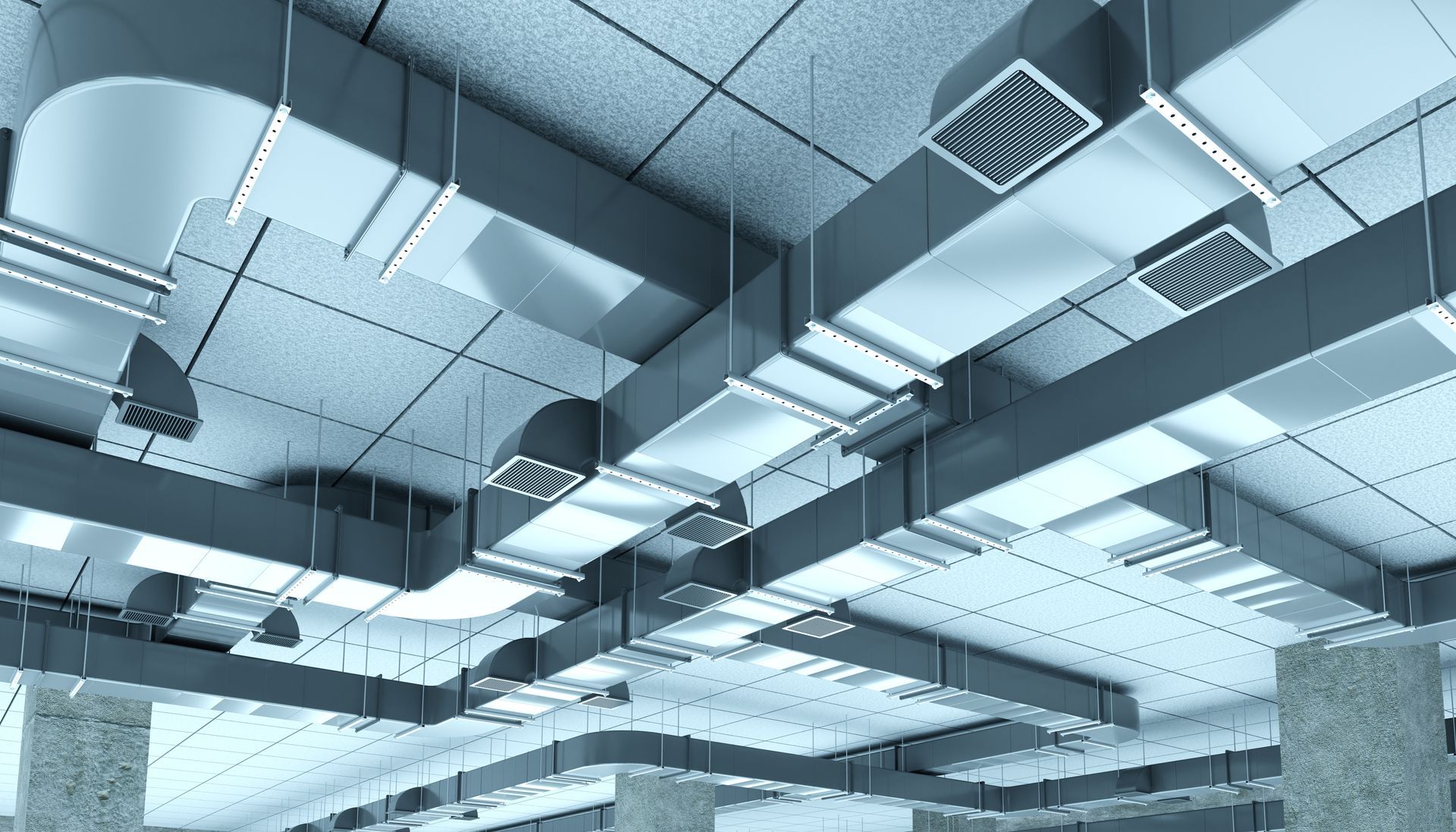
- Obstructed ductwork
Airflow problems can reduce cooling capacity, increase operating pressures and contribute to premature component failures if they aren't corrected.
Electrical Problems May Be Affecting That Unit Alone
Electrical components wear independently, even on identical equipment.
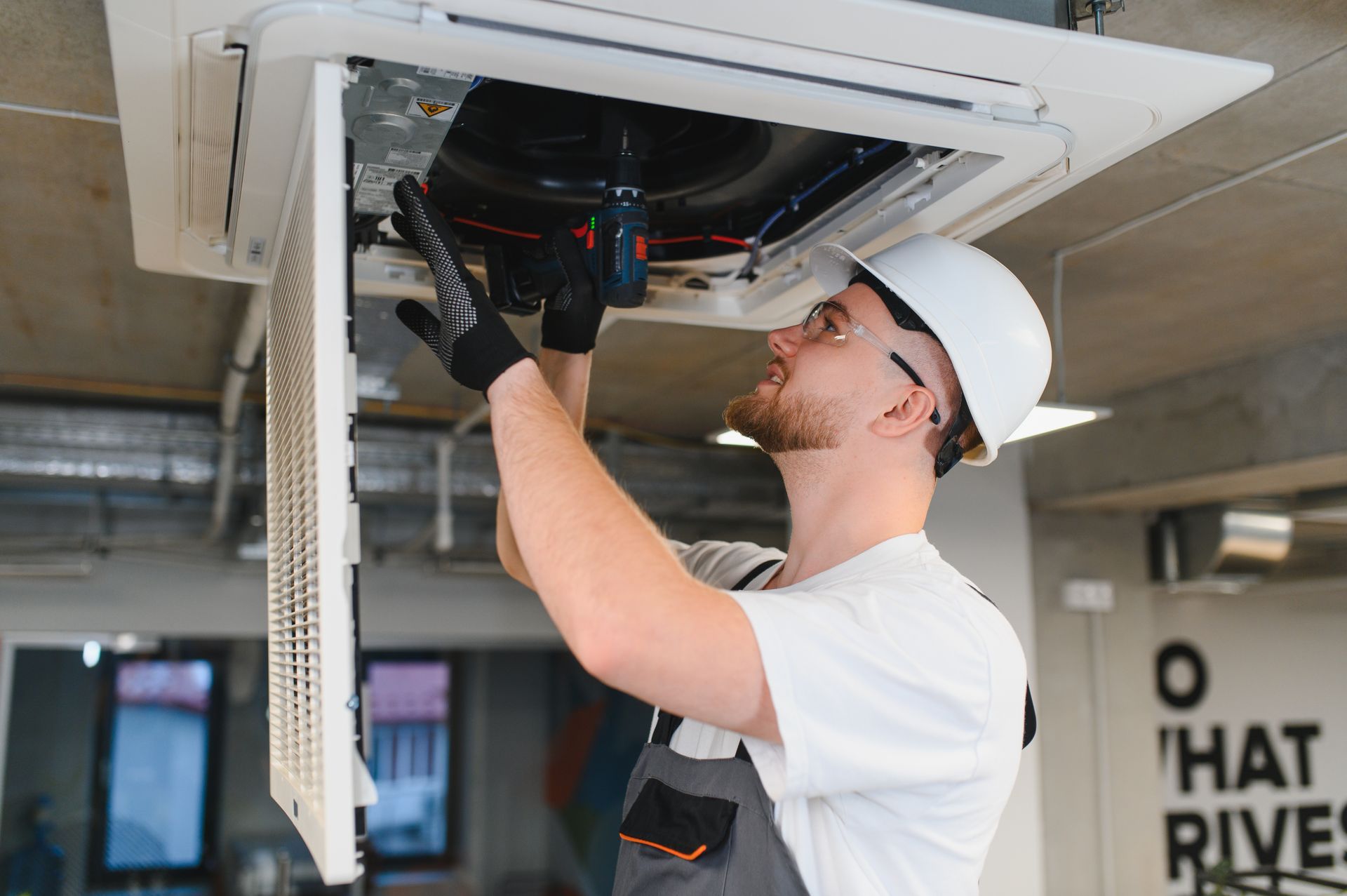
Loose wiring connections, failing contactors, weak capacitors or other electrical issues may cause one rooftop unit to experience repeated shutdowns while neighboring units continue operating normally.
If the same electrical components require replacement more than once, it's often worth investigating whether another issue is placing excessive stress on those parts rather than simply replacing them again.
Previous Repairs May Be Contributing to Ongoing Problems
Two identical RTUs can have very different service histories. One unit may have experienced:
- A refrigerant leak that wasn't fully resolved
- Storm or hail damage
- Improper repairs
- Deferred maintenance
- Years of heavier operation than the rest of the building
In some cases, today's commercial air conditioner repair calls can be traced back to issues that developed several seasons earlier.
Controls Can Cause One Unit to Run More Than the Others
Modern commercial HVAC systems often rely on programmable thermostats or building automation systems (BAS) to control equipment operation.
If one RTU is short cycling, operating beyond its scheduled hours or receiving incorrect control signals, it may accumulate significantly more operating hours than nearby units. Over time, those extra hours can accelerate wear even if the equipment itself is functioning properly.
The Environment Around the Unit May Be Different
Rooftop units don't always operate under identical conditions. One RTU may be located near:
- Kitchen exhaust systems
- Cooling towers
- Construction activity
- Trees or landscaping
- Areas where dust and debris accumulate more quickly
These conditions can cause condenser coils to become dirty faster or expose equipment to contaminants that other units don't encounter.
The Failed Part May Not Be the Real Problem
When the same rooftop unit requires repeated repairs, the failed component isn't always the underlying cause of the breakdown.
Replacing a capacitor, contactor or fan motor may restore cooling temporarily, but repeated failures often indicate that another issue is creating excessive stress on the equipment. Looking beyond the failed component can help identify problems before they lead to larger repairs or unplanned downtime.
Finding the Cause of Recurring RTU Breakdowns Can Help Prevent Future Repairs
When one RTU consistently experiences problems while the rest of the building's equipment continues operating normally, a thorough evaluation can often reveal why. Addressing airflow restrictions, control issues, electrical problems or other underlying causes may improve reliability and reduce the number of emergency service calls over the life of the equipment.
If one rooftop unit has become your building's "problem child," call Tom's Commercial at (817) 857-7400. Our technicians can help improve long-term reliability and reduce RTU breakdowns for Arlington and Fort Worth businesses.