Why Most Commercial Facilities Use Air-Cooled Chillers Instead of Water-Cooled Systems
Share
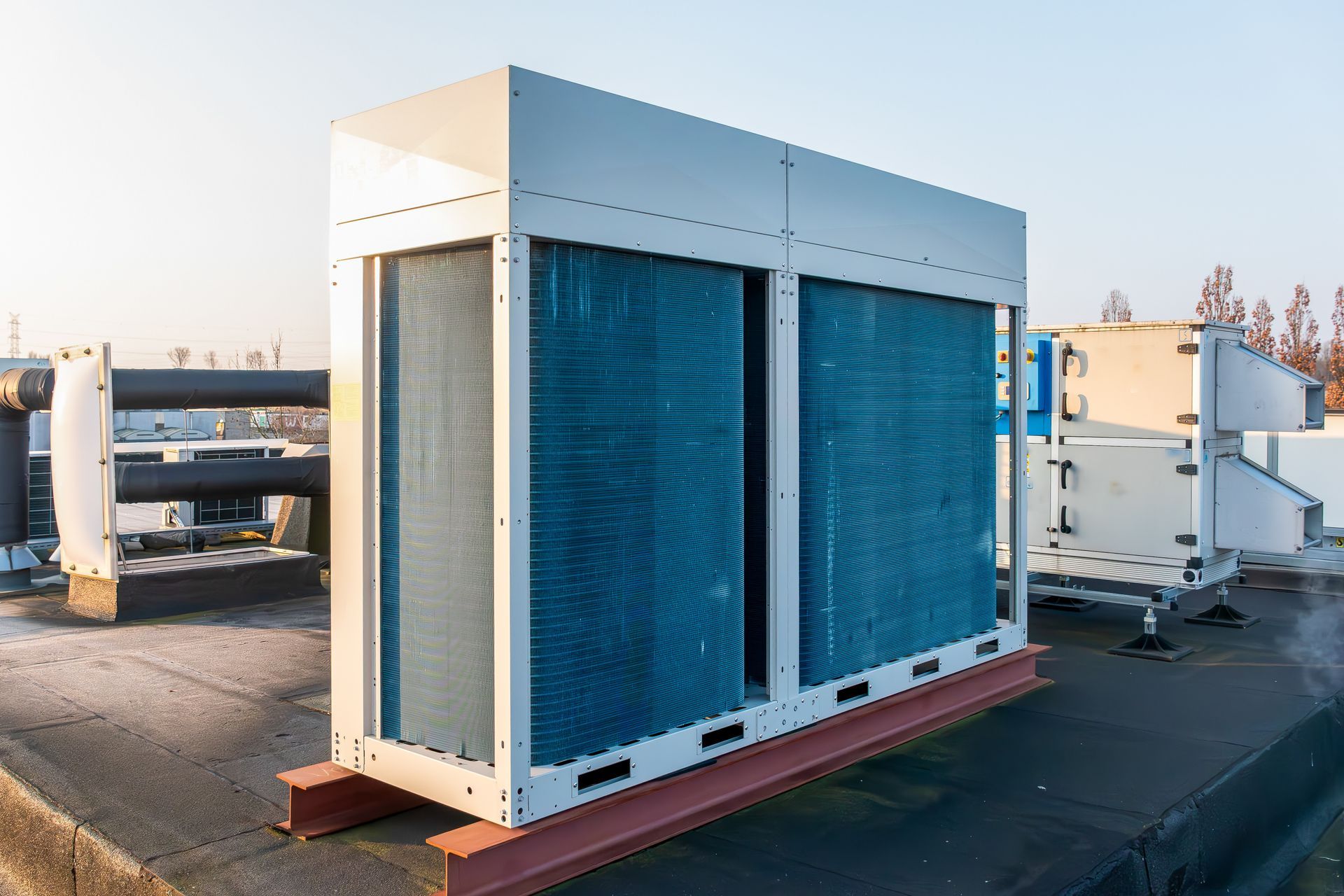
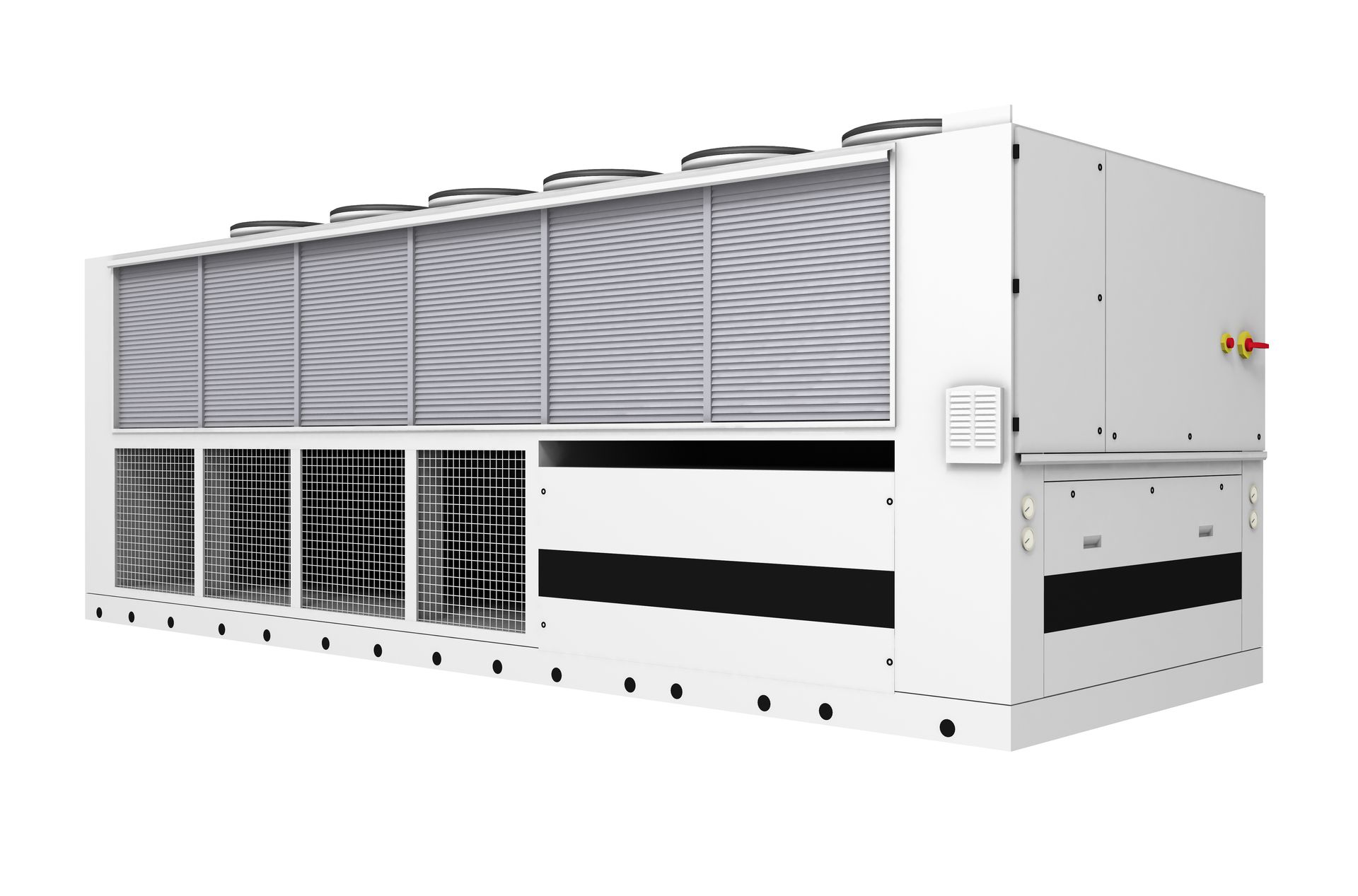
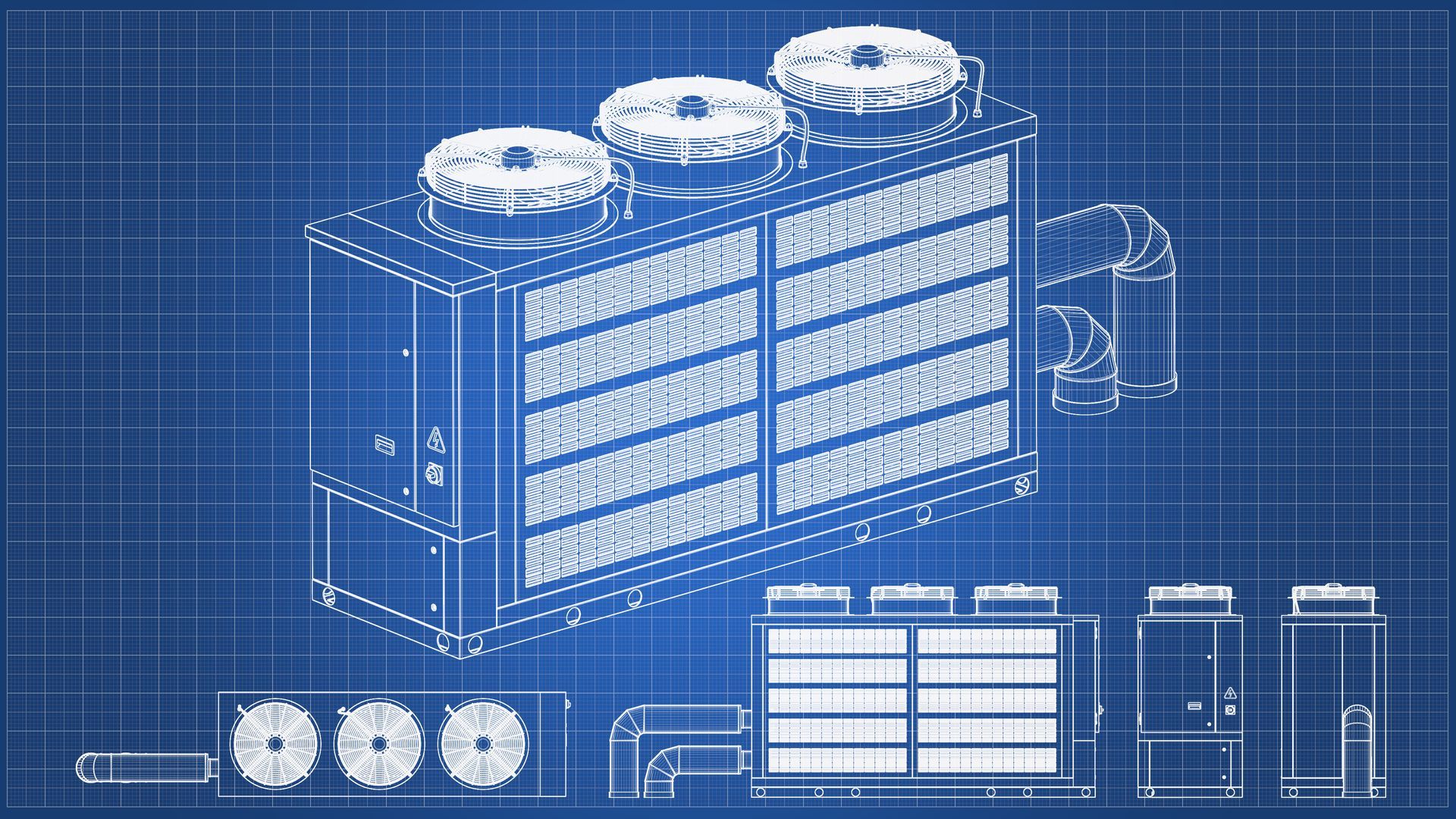
Air-cooled chillers are often the default choice because they are self-contained systems that reject heat directly to the outdoor air. Unlike water-cooled systems, they do not require:
- Cooling towers
- Condenser water pumps
- Water treatment programs
- Extensive condenser water piping
This simpler design generally results in:
- Lower installation costs
- Reduced maintenance requirements
- Fewer system components
- Easier operation and troubleshooting
For many schools, office buildings, retail centers, apartments, churches and light industrial facilities, air-cooled chillers can meet the building's cooling requirements without the complexity of cooling towers, condenser water systems and other supporting equipment.
The Additional Infrastructure Required for Water-Cooled Chillers
Water-cooled chillers operate differently. Rather than rejecting heat directly to the outdoor air, they transfer heat to a separate condenser water loop that ultimately rejects that heat through a cooling tower.
As a result, water-cooled systems typically require:
- Cooling towers
- Condenser water pumps
- Water treatment systems
- Additional piping networks
- More complex controls
Each of these components requires installation, maintenance and ongoing oversight.
Water treatment can become an important consideration because untreated water can contribute to:
- Scale buildup
- Corrosion
- Reduced heat transfer efficiency
- Premature equipment wear
In regions such as DFW where water hardness is relatively high, cooling tower water treatment plays an important role in protecting system efficiency and equipment longevity.
When Water-Cooled Chillers Begin to Make Sense
There is no single cooling-capacity threshold where water-cooled chillers automatically become the preferred option. However, water-cooled systems generally become more common as cooling loads, operating hours and facility complexity increase.
Facilities with very large cooling demands often place a greater emphasis on long-term operating efficiency than on minimizing initial complexity.
That is why water-cooled chillers are more common in:
- Hospitals
- Universities
- Airports
- Large office towers
- Industrial facilities
- Manufacturing plants
Many of these facilities operate for extended hours, experience substantial cooling loads or maintain year-round cooling demands.
For those types of facilities, the potential efficiency advantages of water-cooled equipment may justify the additional infrastructure required to support the system.
Existing Infrastructure Can Influence the Decision
One factor that is often overlooked is whether a facility already has cooling tower infrastructure in place.
For example, a campus that already operates cooling towers, condenser water piping and water treatment systems may find it practical to continue expanding that infrastructure as cooling needs grow.
Similarly, some manufacturing facilities already utilize cooling towers for industrial processes. In these situations, integrating additional water-cooled equipment may be more feasible than installing an entirely separate cooling strategy.
This is one reason there is no universal rule that determines which type of chiller should be used in every situation.
Long-Term Efficiency and Operating Cost Considerations
If air-cooled chillers are so much simpler, why are water-cooled systems used at all? The answer often comes down to operating costs.
Under the right conditions, water-cooled chillers can operate more efficiently than comparable air-cooled systems. Over time, that efficiency may reduce energy consumption and operating expenses.
However, those potential savings must be weighed against the costs associated with:
- Cooling tower maintenance
- Water treatment
- Additional equipment repairs
- Increased system complexity
Facilities that operate continuously or maintain large cooling loads are generally more likely to realize meaningful long-term benefits from those efficiency gains.
How Texas Cooling Loads Affect Chiller Decisions
DFW facilities often operate under heavy cooling demand for long portions of the year. That does not automatically mean every building needs a water-cooled system, but it does make chiller performance, efficiency and heat rejection strategy more important.
Air-cooled chillers must reject heat directly into outdoor air, which can be more demanding during extended periods of high summer temperatures. Water-cooled systems are still affected by outdoor conditions, but cooling towers can provide more efficient heat rejection in certain larger applications.
For many Arlington and Fort Worth facilities, air-cooled chillers still provide the right balance of capacity, simplicity and maintenance requirements. In larger buildings or facilities with long operating hours, sustained cooling demand may be one of the factors that makes water-cooled equipment more practical.
Air-Cooled and Water-Cooled Chiller Service in Arlington and Fort Worth
Tom's Commercial works with facility managers and property owners throughout Arlington and Fort Worth to evaluate, service and maintain commercial cooling systems. Contact our team at 817-857-7400 to discuss your facility's HVAC service needs.