The Most Common Causes of Commercial HVAC No-Cool Calls During DFW Heat Waves
Share
The triple-digit months in Dallas-Fort Worth are a stress test for every commercial HVAC system in the metro area. Longer run times, higher electrical loads and elevated outdoor temperatures can cause equipment that performed normally just weeks earlier to suddenly fail without warning.
While every no-cool call is different, Arlington commercial HVAC technicians tend to see the same types of failures repeatedly during prolonged heat waves.
Failed Capacitors
Capacitors are one of the most common components to fail during the summer. They provide the electrical boost needed to start and run compressors and condenser fan motors. During prolonged heat waves, the combination of extended run times, frequent cycling and elevated operating temperatures often causes aging capacitors to fail.
As a capacitor deteriorates, a unit may struggle to start, cycle on and off unexpectedly or stop cooling altogether. Because capacitors often fail without much warning, they account for many emergency commercial HVAC service calls during extreme heat.
Condenser Fan Motor Failures
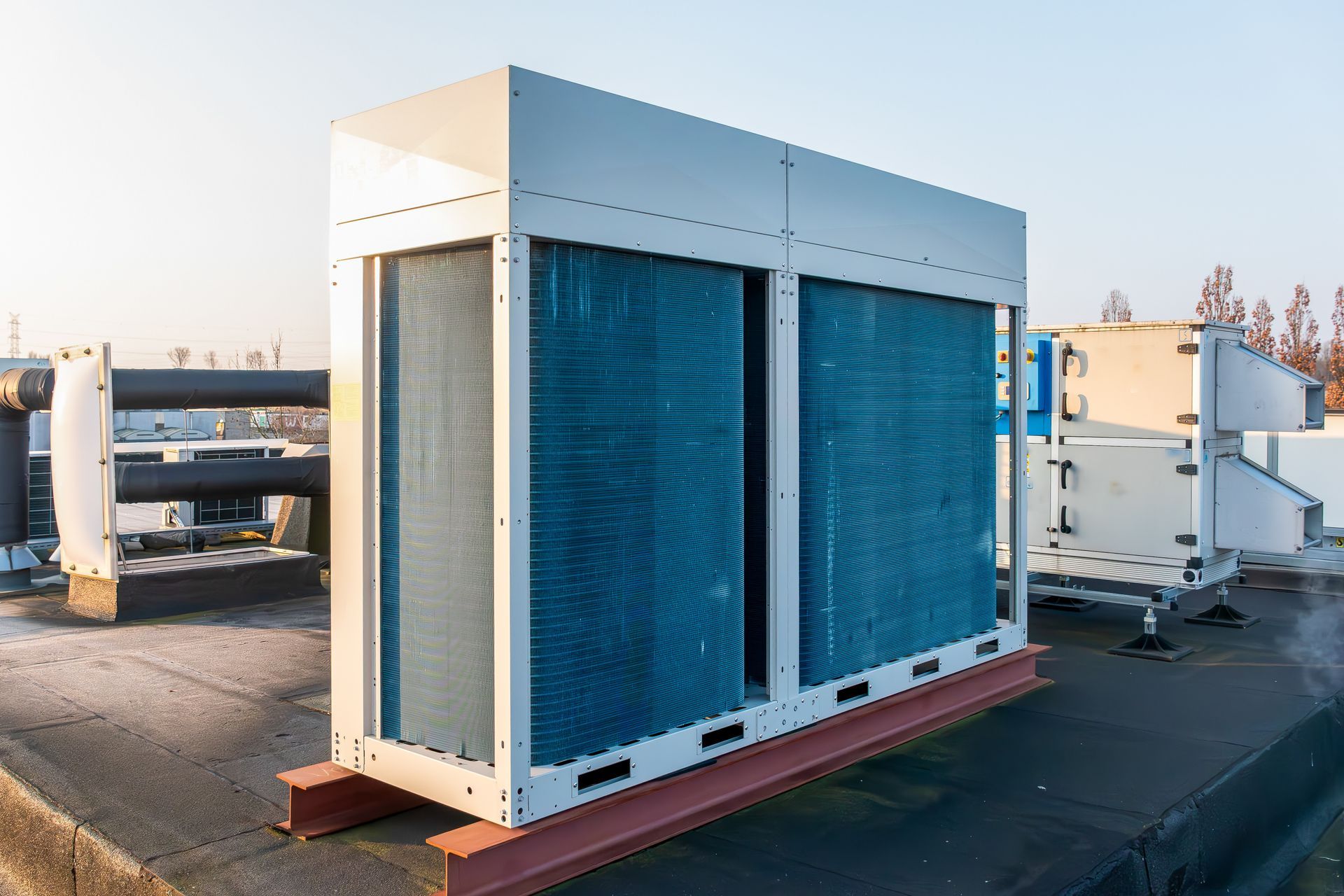
Commercial rooftop units depend on condenser fans to move heat away from the refrigerant. Those motors may run nearly continuously for days during a DFW heat wave.
Refrigerant pressure can rise quickly if a condenser fan motor fails or begins slowing down, causing cooling capacity to drop and the compressor to work much harder. Most systems have safety controls designed to shut the equipment down before more serious damage occurs, resulting in a no-cool situation for the building.
Dirty Condenser Coils
Condenser coils naturally collect dirt, pollen, cottonwood fluff, grease and other airborne debris over time. Even a moderate buildup can make it much harder for the system to reject heat outdoors.
During mild DFW weather, the reduction in efficiency may go unnoticed. Once temperatures exceed 100°F, however, restricted heat transfer can significantly reduce cooling performance while increasing operating pressures and electrical consumption.
Routine coil cleaning remains one of the simplest ways to improve reliability during peak cooling season.
Refrigerant Leaks
Minor refrigerant leaks that had little effect during spring weather often become much more noticeable during extreme heat because the equipment has less reserve cooling capacity available. Buildings may struggle to maintain set temperatures, and technicians may discover frozen evaporator coils, longer run times or reduced cooling performance.
Simply adding refrigerant addresses the symptom rather than the underlying problem. Locating and repairing the leak is usually the long-term solution.
Electrical Component Failures
Heat affects more than compressors and refrigerant.
Contactors, relays, terminals and wiring connections all experience additional stress during periods of continuous operation. Electrical components naturally wear over time, and prolonged high temperatures can accelerate that process.
In many cases, electrical problems develop gradually before eventually causing intermittent shutdowns or a complete loss of cooling.
Compressor Failures
While compressors do occasionally fail on their own, they're often the final casualty of another unresolved problem. High refrigerant pressures, inadequate airflow, low refrigerant charge or electrical issues can all place excessive strain on the compressor over time.
Because compressor replacement is typically one of the more significant commercial HVAC repairs, identifying smaller issues before they escalate can help extend equipment life and reduce repair costs.
Preventative Maintenance Can Reduce Summer Breakdowns
Not every commercial HVAC failure can be prevented, but regular maintenance significantly improves the chances that equipment will continue operating reliably during the hottest weeks of the year.
Testing electrical components, cleaning condenser coils, replacing filters, checking refrigerant levels and inspecting for worn components all help reduce the likelihood of emergency no-cool calls.
Whether your HVAC system supports office employees, retail customers, healthcare environments or process cooling, preparing before the next DFW heat wave is often far less disruptive than responding to an unexpected system outage.
Tom's Commercial provides preventative maintenance as well as 24/7 emergency commercial HVAC repair throughout Arlington and Fort Worth. Call (817) 857-7400 or contact us online to schedule service.