Why Does Only One Area of a Commercial Building Stay Hot During Summer in DFW?
Share
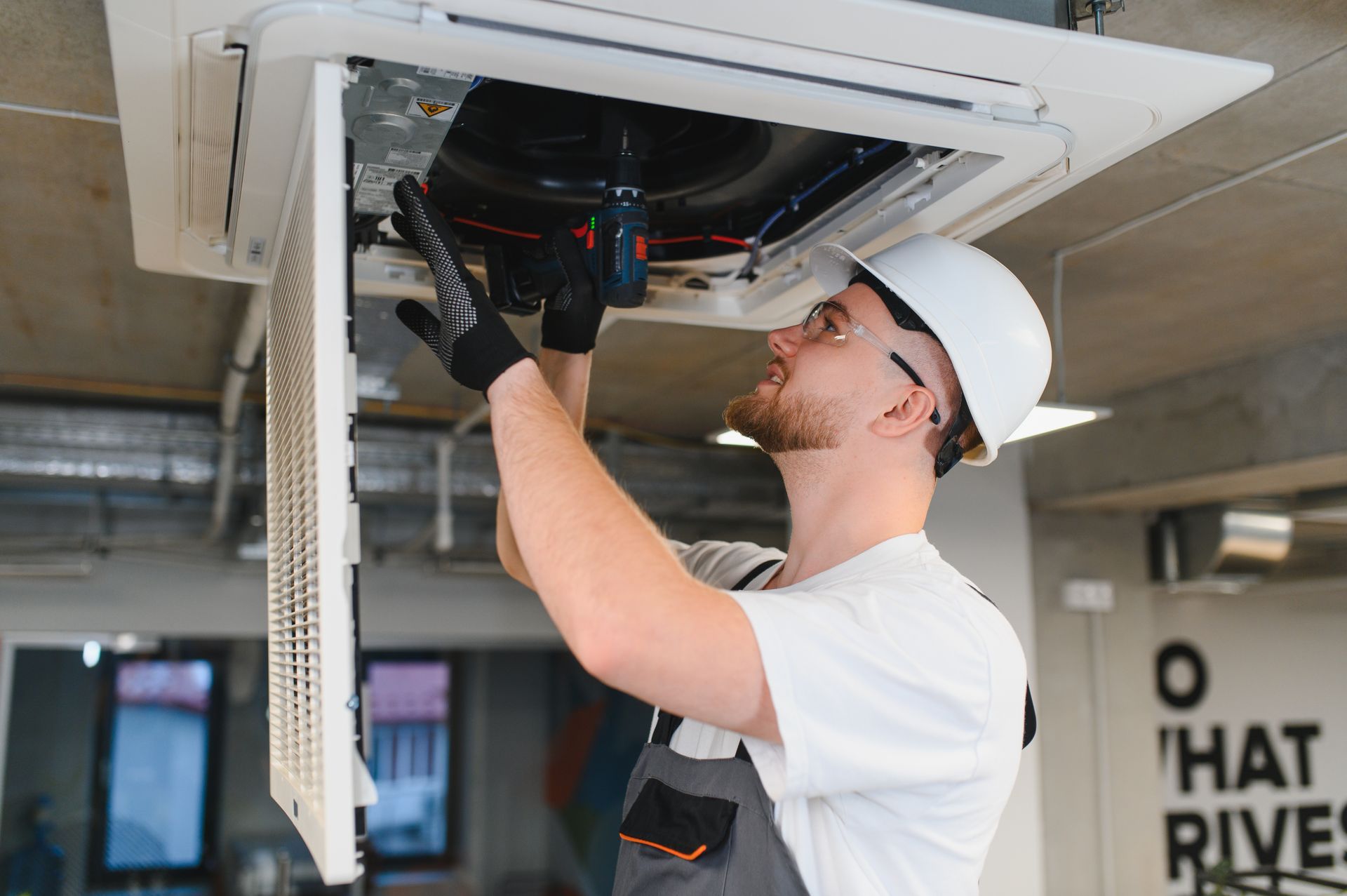
When only one office, tenant space, floor or wing of a commercial building stays warm while the rest of the property remains comfortable, the problem is often localized. Modern commercial HVAC systems are designed to serve different areas independently, so determining why that particular area isn't receiving enough cooling requires looking beyond the thermostat.
The Cooling Load Has Increased
Buildings rarely operate exactly as they were originally designed.
A space that once housed a handful of employees may now contain additional workstations, heat-producing equipment or a different type of operation altogether. Common examples include:
- Increased occupancy
- Server racks or IT equipment
- Large printers or copiers
- Break rooms or kitchens
- Manufacturing or process equipment
As cooling demands increase, an HVAC system that was once adequately sized for the space may begin struggling during periods of peak demand.
Airflow May Be Restricted
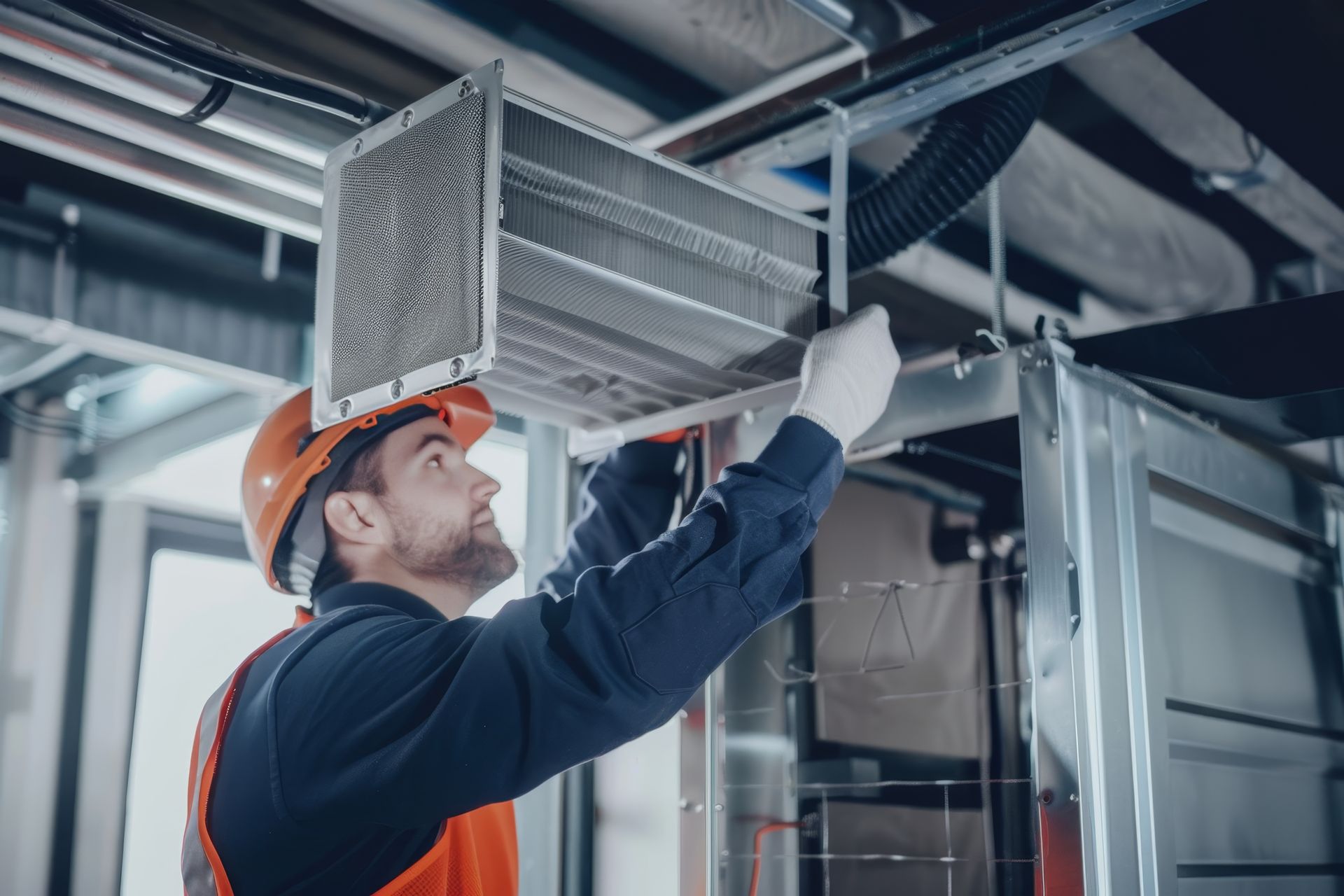
Even if the HVAC equipment is producing cold air, that air still has to reach the occupied space. Several issues can reduce airflow to one area of a building, including:
- Dirty air filters
- Closed or damaged dampers
- Blocked supply or return vents
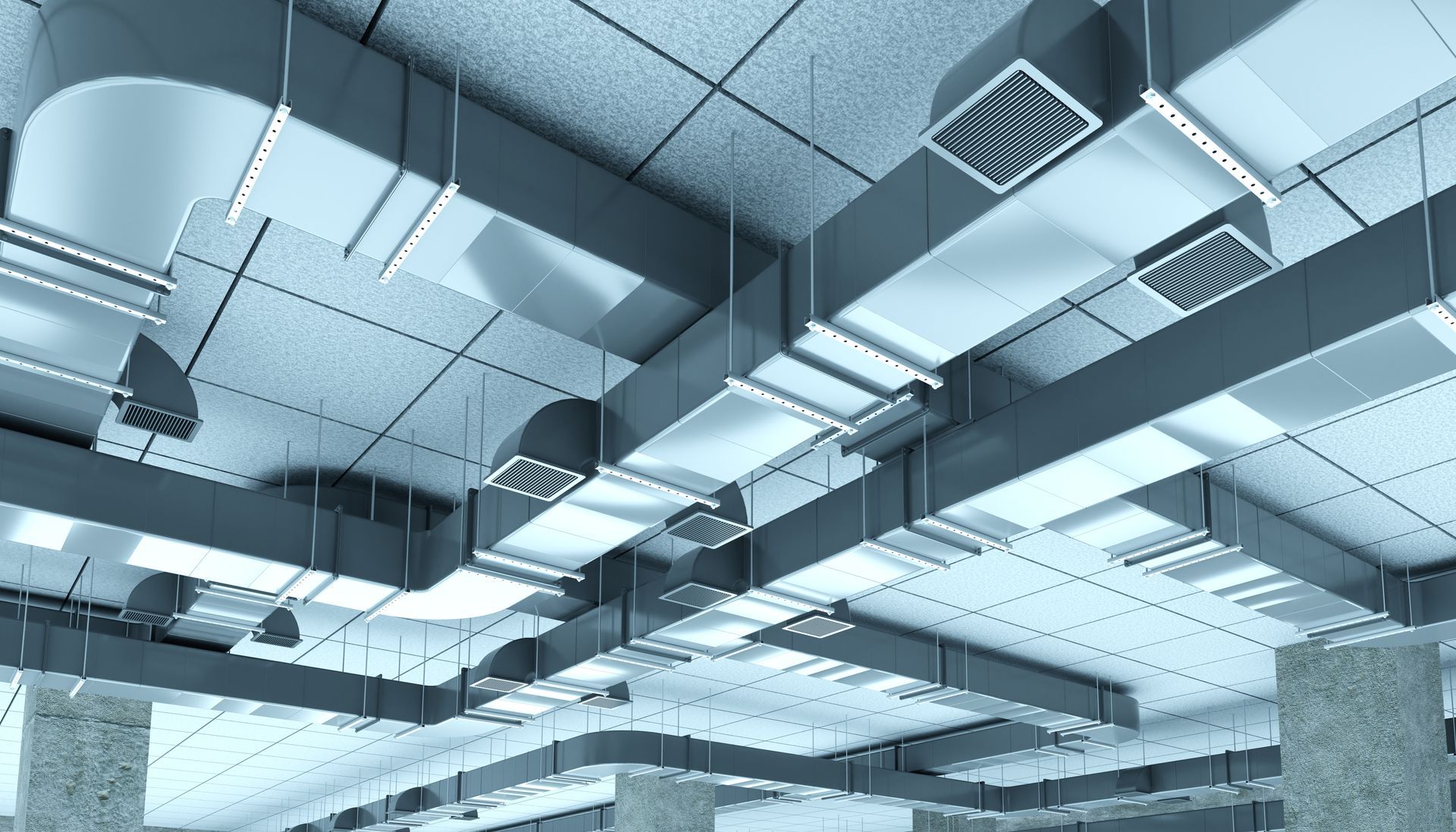
- Damaged or disconnected ductwork
- Poor air balancing
Restricted airflow often causes comfort complaints without requiring major equipment repairs.
Controls May Not Be Operating Properly
A thermostat that's out of calibration, a malfunctioning control component or an incorrect occupancy schedule can prevent one zone from receiving the cooling it needs while the rest of the building continues operating normally.
Renovations Can Change How Air Moves Through a Building
Office reconfigurations, new walls, relocated workspaces and tenant improvements can all affect how conditioned air moves through a building. If the HVAC system isn't rebalanced after those changes, some areas may receive less airflow than originally intended. Even relatively small layout changes can contribute to persistent hot spots that aren't caused by a mechanical failure.
Solar Heat Gain Can Affect Certain Areas More Than Others
South- and west-facing offices often experience significantly higher cooling loads during the afternoon, particularly if they feature large windows or limited exterior shading. Seasonal changes, aging window film or interior renovations can also affect how much heat enters a space.
In some cases, the HVAC system is operating normally but can't offset the additional heat entering that portion of the building during the hottest part of the day.
The HVAC Equipment Serving That Area May Have a Problem
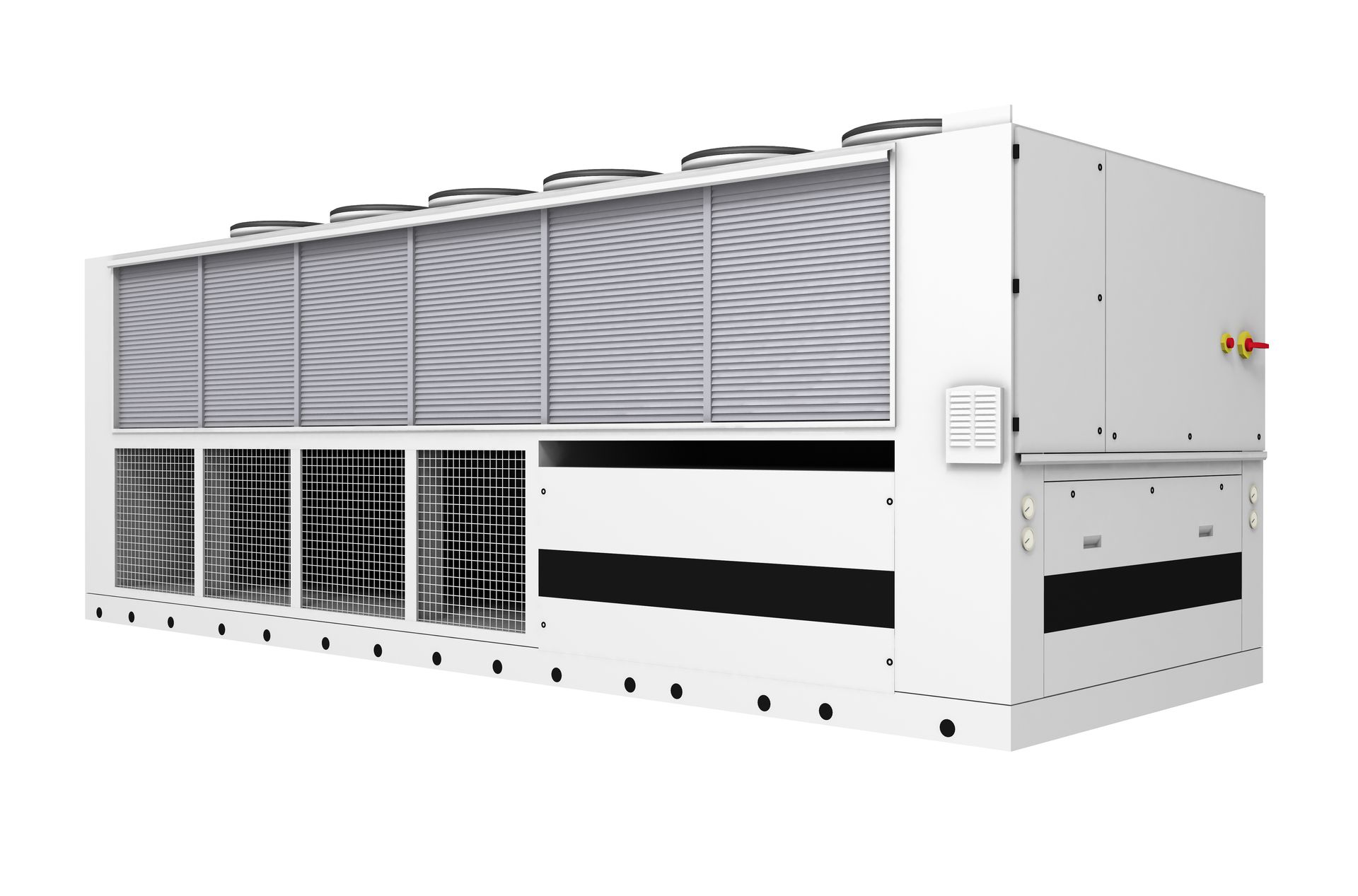
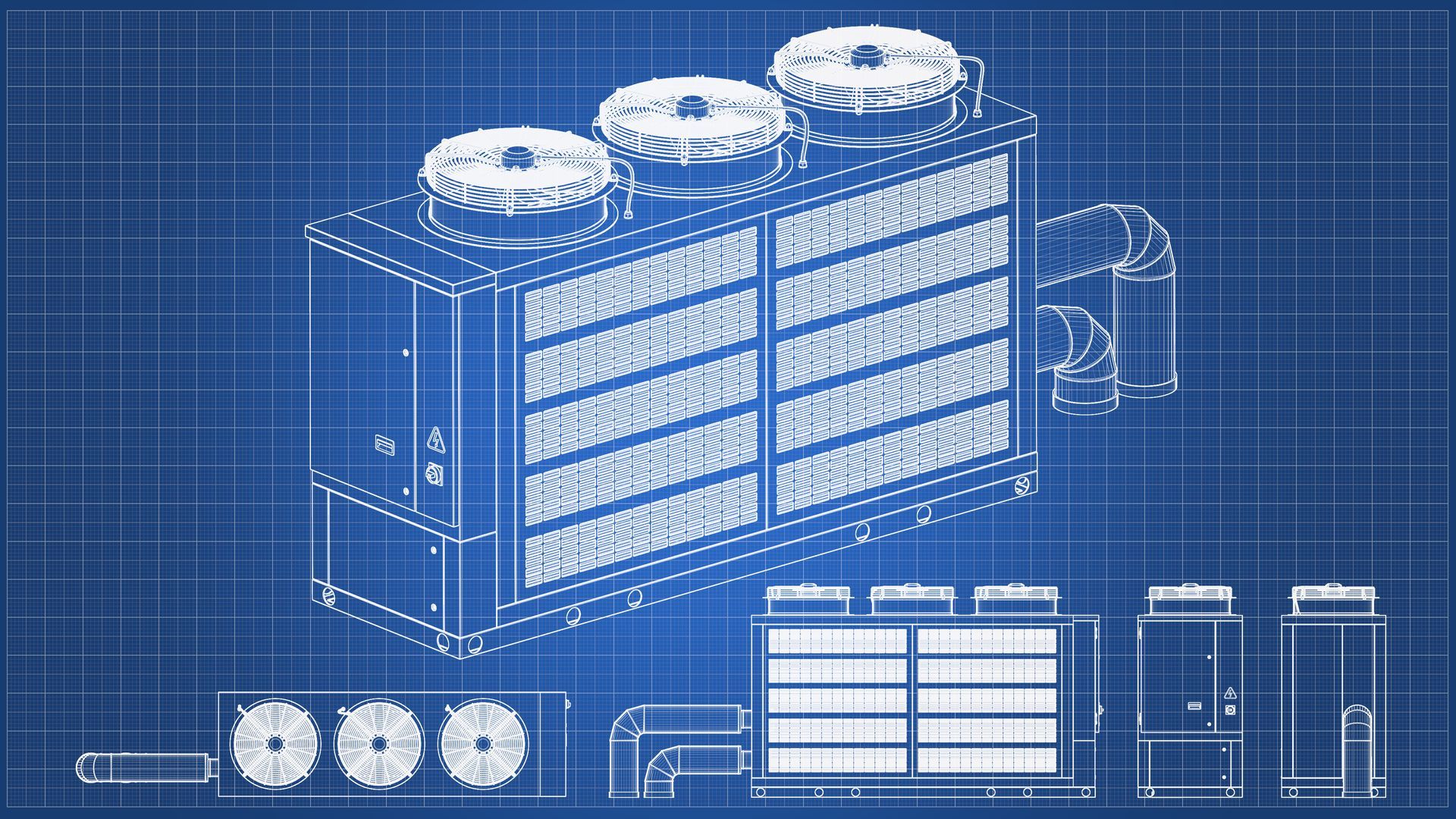
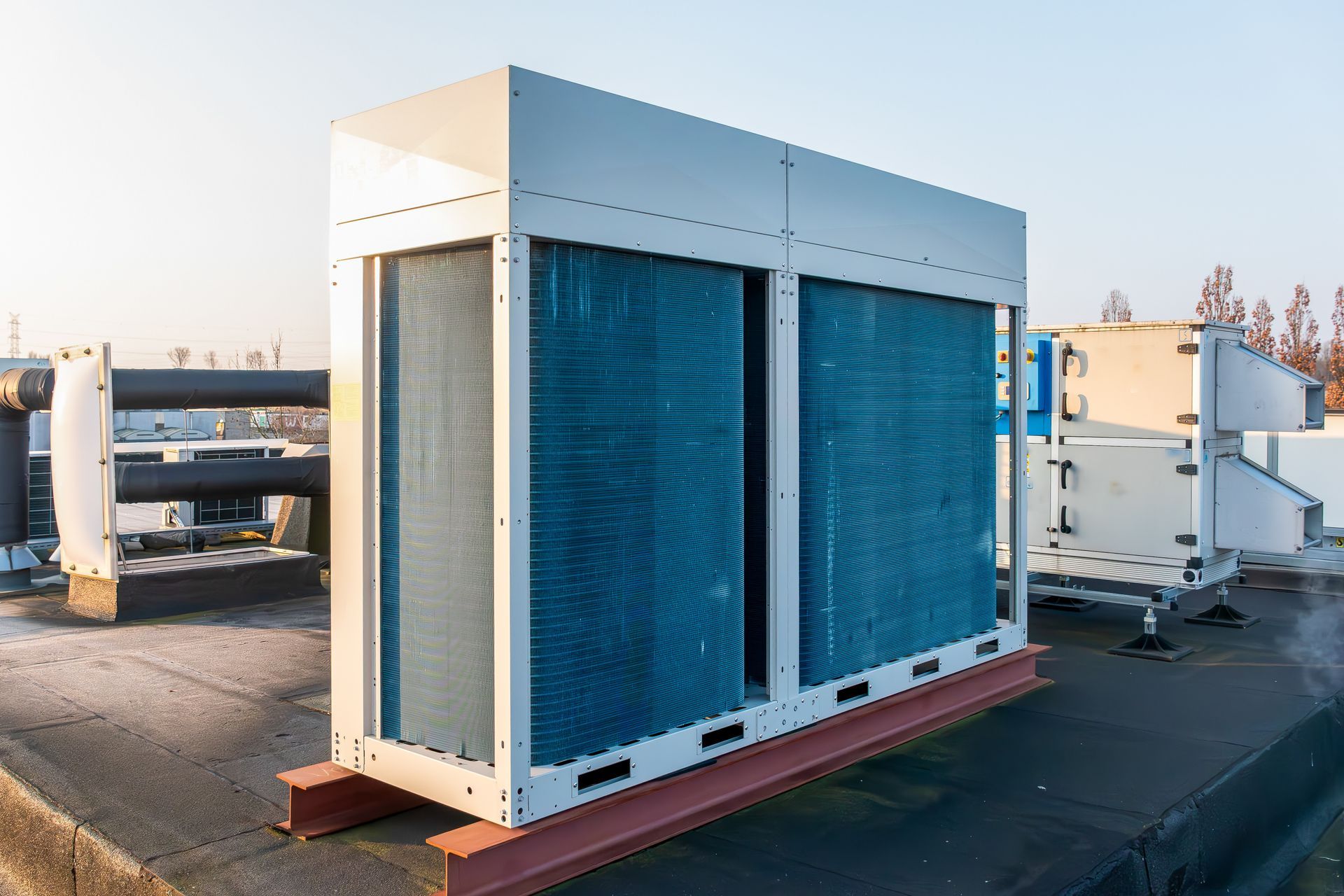
Many commercial buildings use multiple RTUs or independently controlled zones rather than relying on a single unit to cool the entire property.
If the equipment serving one area develops a refrigerant leak, electrical problem, airflow restriction or another mechanical issue, occupants in that section of the building may experience little or no cooling while the rest of the facility remains comfortable.
Deferred Maintenance Can Make Existing Problems More Noticeable
Dirty coils, aging electrical components, worn belts, low refrigerant levels and overdue filter changes often become much more noticeable when the system is operating at or near full capacity during the hottest part of the summer. Having HVAC maintenance performed before peak summer demand can often prevent localized comfort problems from becoming larger repairs.
Comfort Problems Don't Always Have a Single Cause
In some buildings, several smaller issues contribute to uneven temperatures. A slightly undersized system, minor airflow restrictions, increased occupancy and afternoon solar gain may each have only a modest impact on their own. Together, however, they can make one part of the building consistently warmer than the rest.
A thorough evaluation considers the entire space, not just the HVAC equipment, to identify the factors affecting comfort.
Addressing the Root Cause of Cooling Failures Helps Prevent Repeat Complaints in Arlington and Fort Worth Buildings
When one area of a commercial building stays hot, the solution isn't always replacing equipment or lowering the thermostat. Evaluating airflow, controls, cooling loads and the HVAC system serving that space can often identify the underlying cause and lead to a more effective long-term solution.
If employees or tenants continue reporting hot spots in your building, call Tom's Commercial at (817) 857-7400. We can evaluate your HVAC system, identify the cause of uneven cooling and recommend solutions that improve comfort and system performance.