Why Replacing HVAC Equipment Doesn't Always Solve Commercial Comfort Problems
Share
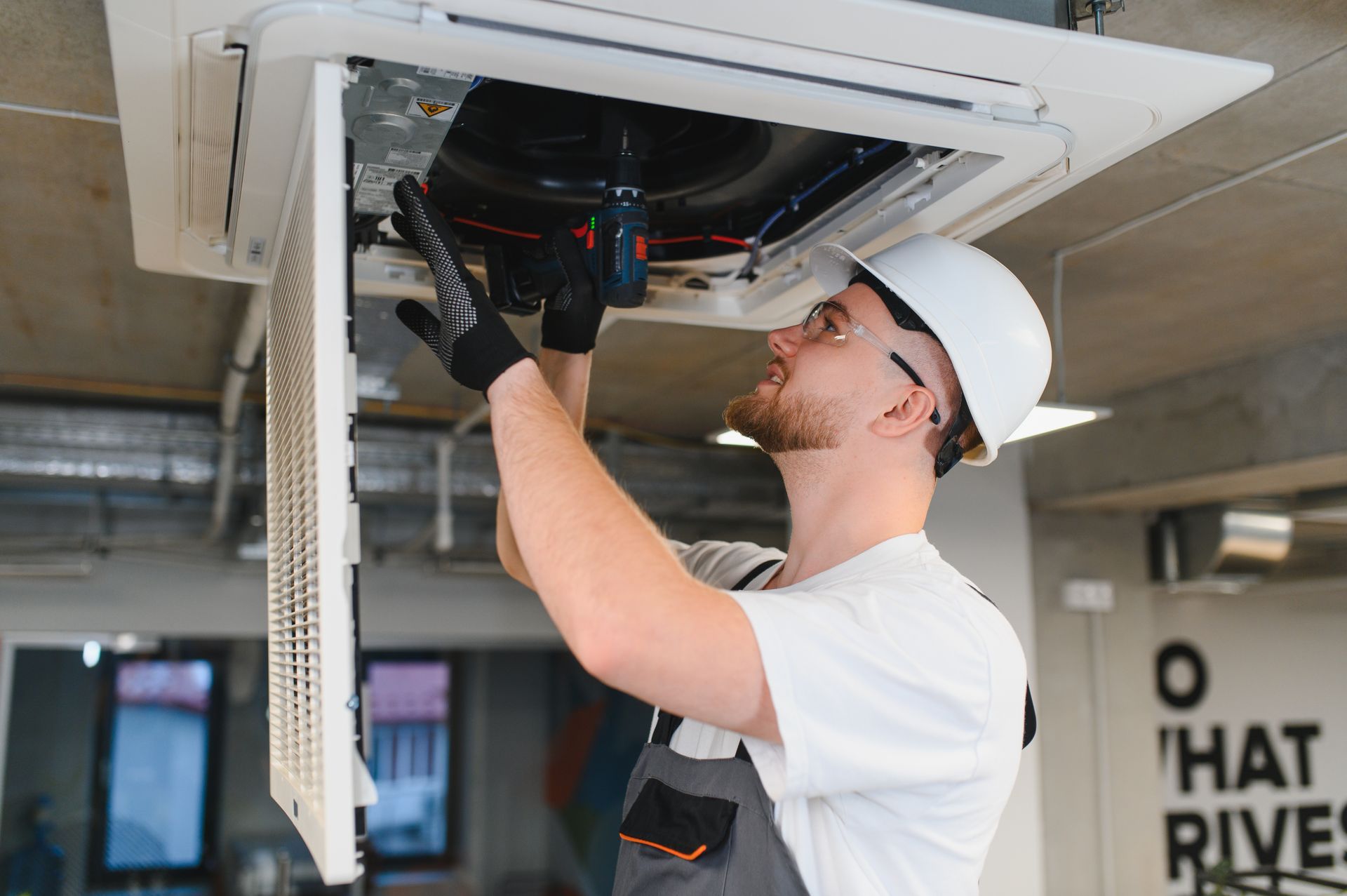
If comfort complaints continue after replacing HVAC units, the equipment itself may not have been the underlying problem.
Commercial comfort depends on more than cooling capacity alone. Air distribution, building design, occupancy patterns and HVAC controls all influence how comfortable a building feels throughout the day.
The New HVAC Equipment May Be Working Properly
One of the more frustrating situations for facility managers is investing in new HVAC equipment only to hear the same complaints a few weeks later.
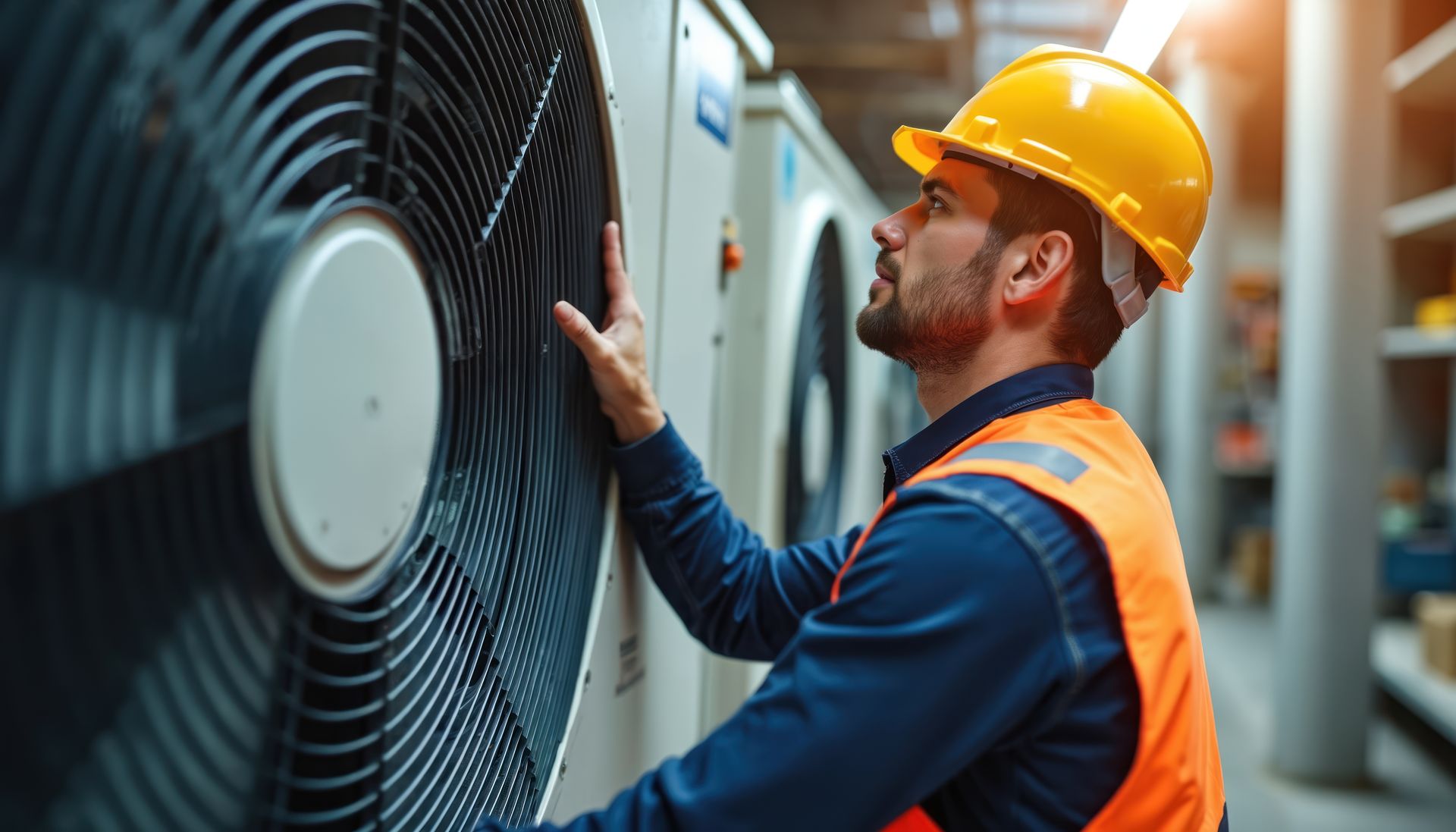
In some cases, the new equipment is operating exactly as intended. It may be producing the correct supply air temperature, delivering the expected cooling capacity and functioning within manufacturer specifications.
If the equipment is performing properly, the next step is determining what else may be affecting comfort throughout the building.
Changes in How the Building Is Used Can Affect Comfort
Commercial buildings rarely remain unchanged throughout the life of an HVAC system. As businesses grow and tenants change, facilities often experience:
- Increased occupancy
- New computers, printers or other heat-generating equipment
- Expanded conference rooms
- Server or IT rooms
- Different operating hours
- Spaces being used differently than originally intended
Each of these changes affects the building's cooling load. Even though the HVAC equipment may still be operating correctly, the demands placed on the system can be very different from when it was originally installed.
The Building Itself May Be Contributing to the Problem
Not every comfort issue originates with the HVAC system. The building envelope and overall design can significantly influence indoor temperatures throughout the year.
Some common contributors include:
- Solar heat gain through large windows
- Aging or insufficient insulation
- Frequently opened exterior doors
- Vestibules that don't effectively separate indoor and outdoor air
- Air leakage around doors or other building openings
- Stack effect in taller buildings
These conditions increase the amount of heat entering the building. While a new HVAC system may perform more efficiently than the old one, it still has to overcome the same building conditions every day.
Air Distribution Is Just as Important as Cooling Capacity
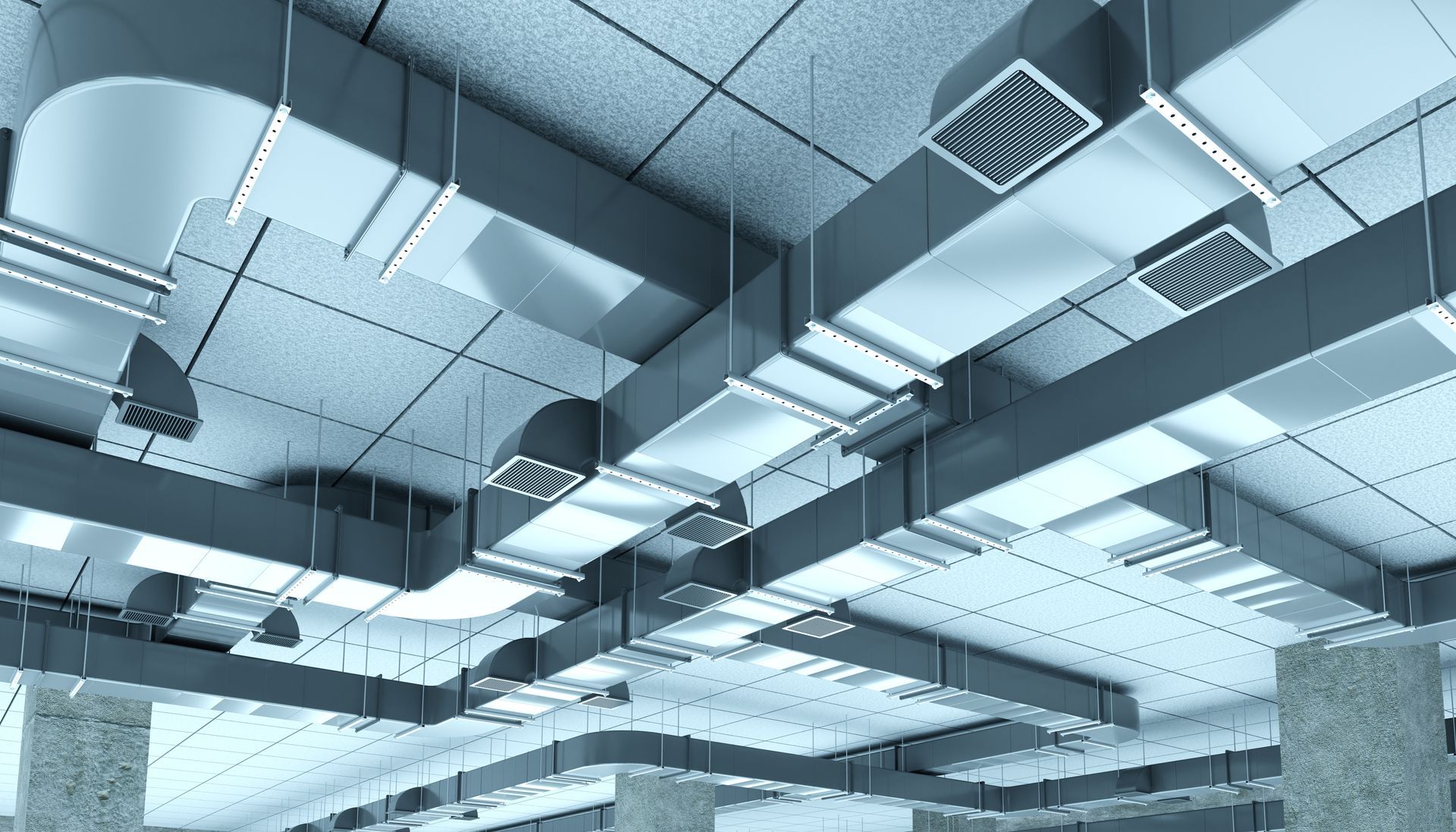
Producing cool air is only part of the HVAC system's job. That conditioned air must also reach the areas where it's needed. Problems involving airflow may include:
- Restricted ductwork
- Dampers that aren't operating properly
- Uneven airflow between different areas
- Poorly located thermostats
- Supply or return air issues
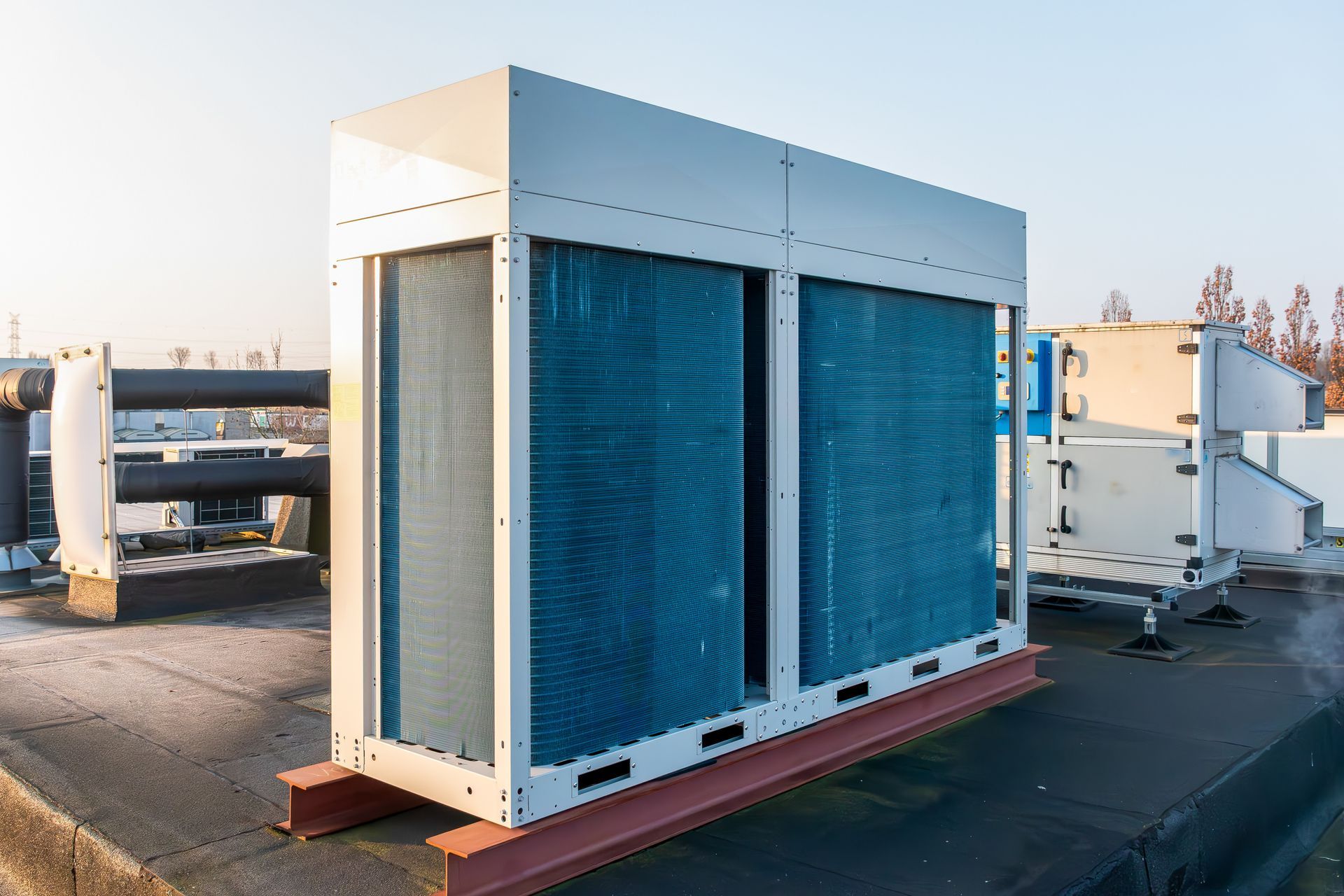
For example, replacing a rooftop unit doesn't automatically improve how air moves through an existing duct system. If airflow problems existed before the replacement, they may continue afterward unless they're identified and corrected.
HVAC Controls Can Also Affect Building Comfort
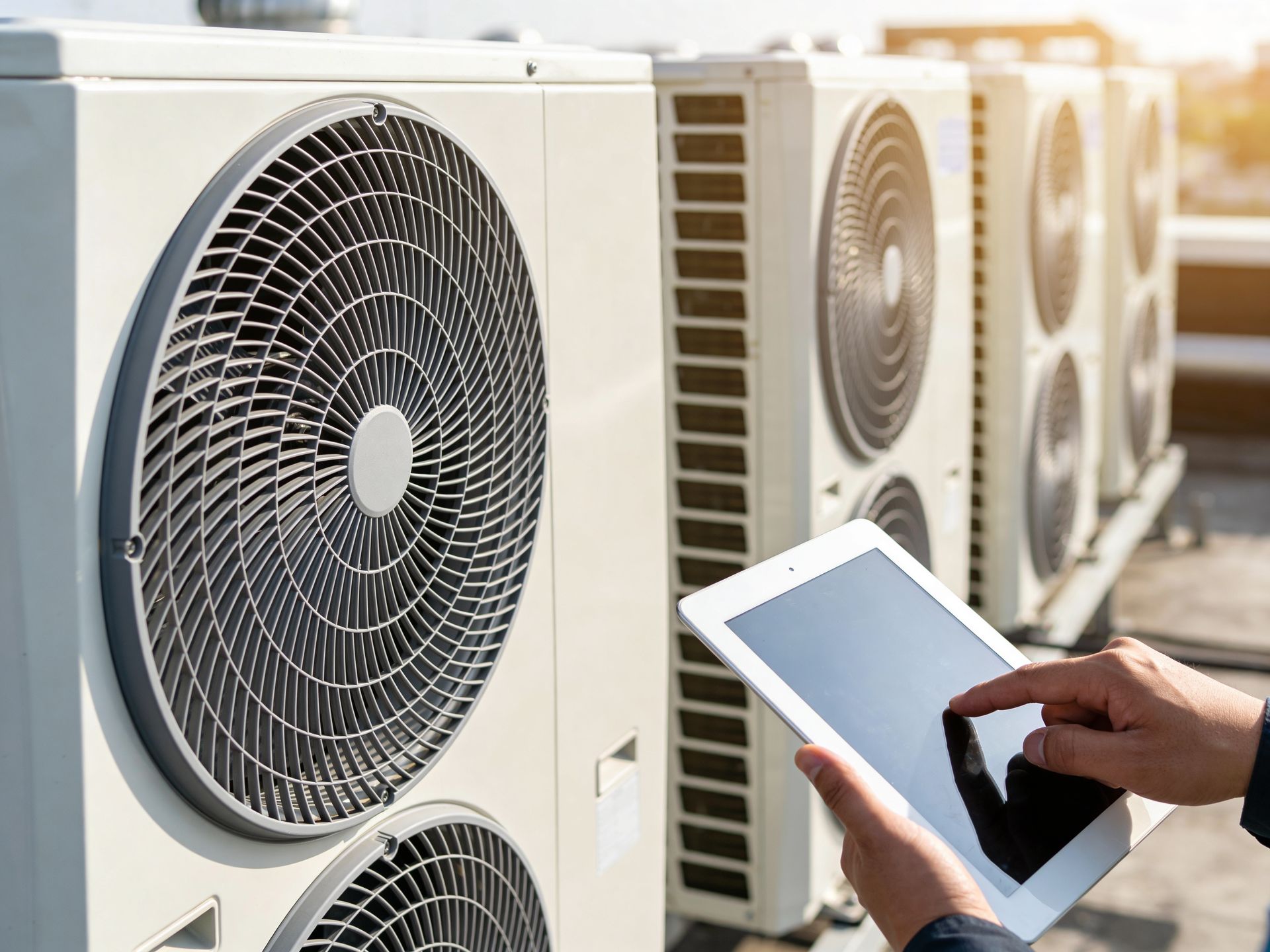
Even with properly functioning equipment, HVAC controls play an important role in maintaining comfortable conditions throughout a commercial building.
Control-related issues may include:
- Outdated occupancy schedules
- Thermostat calibration problems
- Temperature sensors providing inaccurate information
- Zones operating at inappropriate times
- Manual overrides that were never returned to normal settings
As buildings evolve, control strategies sometimes remain unchanged. Updating schedules or correcting control issues may improve comfort without requiring additional mechanical equipment.
Looking Beyond the HVAC Equipment
When comfort problems continue after HVAC replacement, replacing additional equipment isn't always the next step.
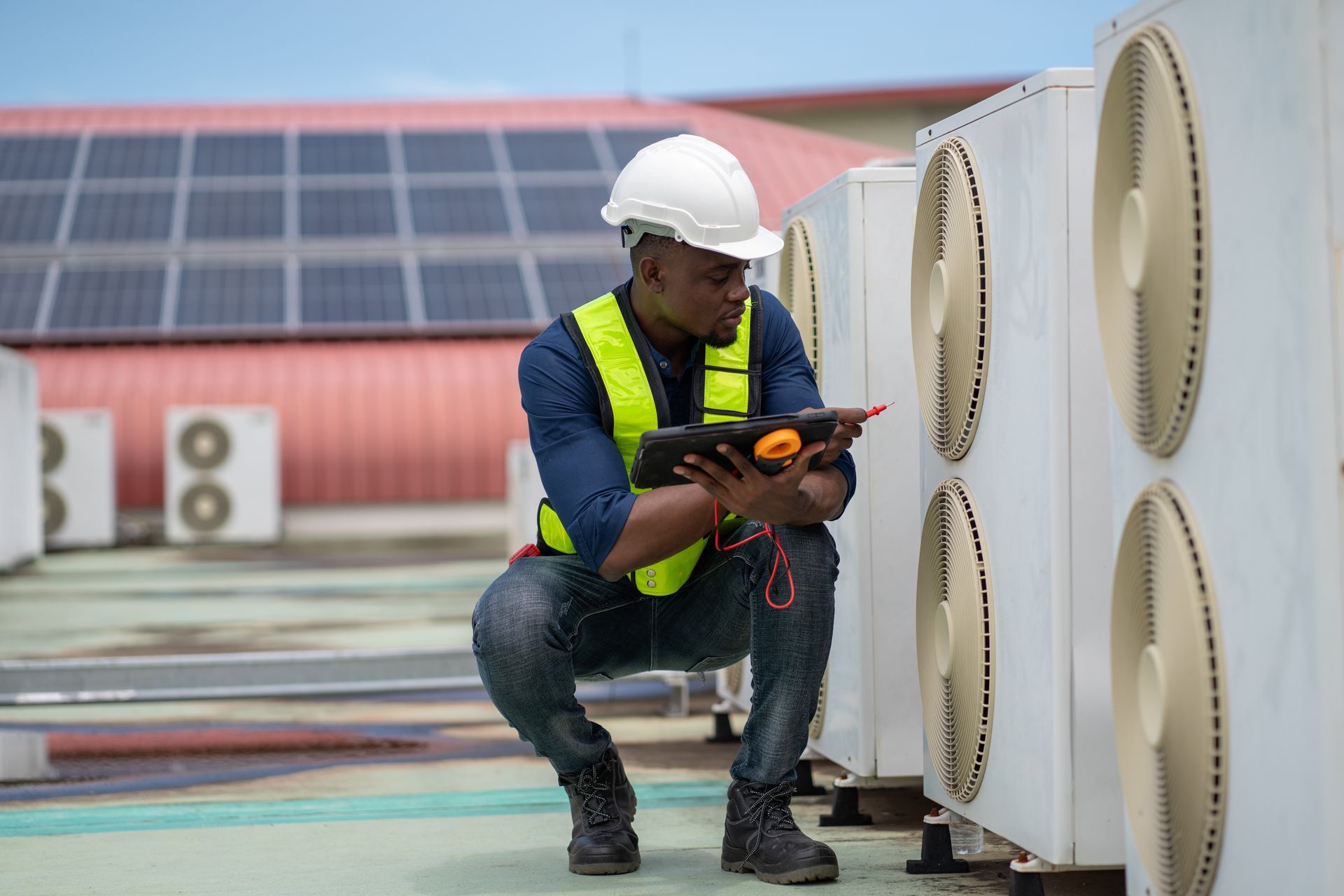
A comprehensive commercial HVAC evaluation may include reviewing:
- Equipment performance
- Airflow throughout the building
- Thermostats and temperature sensors
- HVAC controls and scheduling
- Occupancy patterns
- Building characteristics that influence heating and cooling
Evaluating the system as a whole often provides a clearer understanding of why comfort issues persist and helps identify solutions that address the actual cause of the problem.
Get Answers to Persistent Commercial Comfort Problems
If your Arlington or Fort Worth facility continues experiencing comfort complaints after replacing HVAC equipment, Tom's Commercial can evaluate your system and determine whether the issue involves the equipment itself, airflow, controls or other factors affecting building performance.
Call Tom's Commercial at (817) 857-7400 to schedule a commercial HVAC evaluation for your facility.