Why Commercial HVAC Systems May Need Rebalancing After Tenant Improvements
Share
Commercial HVAC systems are designed around the layout and expected use of a building at the time they're installed. As tenants remodel spaces over the years, those original assumptions often change.
Common tenant improvements that can affect HVAC performance include:
- Adding private offices or interior walls
- Expanding or creating conference rooms
- Converting storage rooms into occupied workspaces
- Installing server rooms or IT equipment
- Increasing employee density
- Changing operating hours or occupancy schedules
Each of these changes can alter the building's cooling load, airflow requirements or occupancy patterns. Even relatively small renovations can affect how conditioned air moves throughout the space.
For example, a conference room that previously seated six employees may now regularly accommodate twenty people. The HVAC system serving that area may still deliver the same amount of conditioned air it always has, but the room now generates considerably more heat during meetings.
Likewise, adding walls or reconfiguring office layouts can change how air circulates, sometimes creating hot and cold areas that didn't exist before the remodel.
Signs Your Building May Need Airflow Adjustments
Some common signs that your building's airflow or controls may no longer match its current layout include:
- Hot or cold areas that appeared after a remodel
- Conference rooms becoming uncomfortable during meetings
- Occupants frequently adjusting thermostats
- One area consistently reaching the desired temperature while another does not
- Increasing comfort complaints from employees or tenants
- Higher utility costs without a significant change in weather
These issues often develop gradually as employees settle into newly configured spaces and begin using them differently than before.
What Does Commercial HVAC Rebalancing Actually Involve?
When people hear the term "rebalancing," they sometimes assume it simply means adjusting thermostat schedules. In reality, commercial HVAC rebalancing is focused on evaluating whether conditioned air is being distributed appropriately throughout the building.
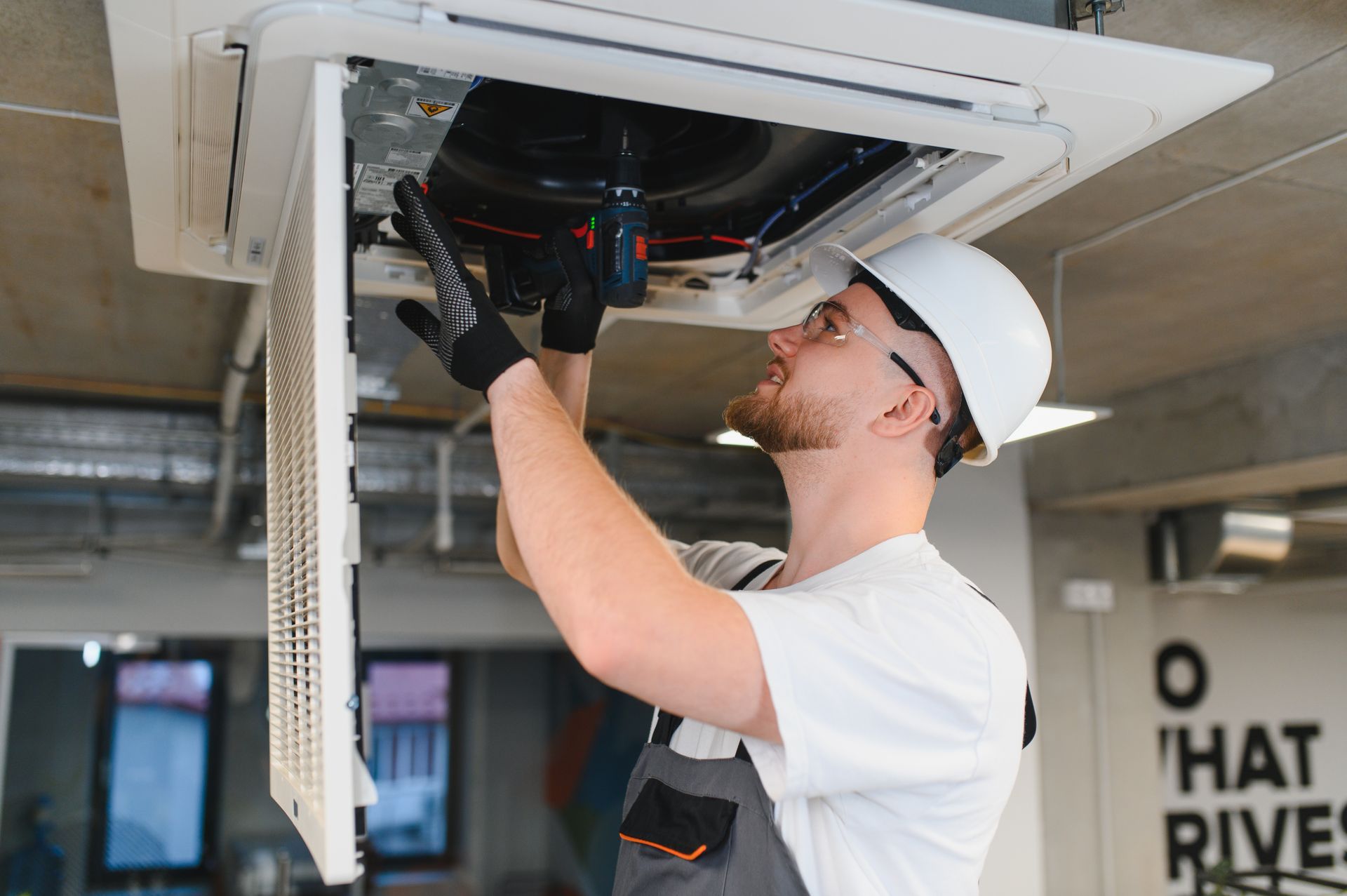
Depending on the space and the nature of the changes or tenant complaints, an HVAC technician may evaluate:
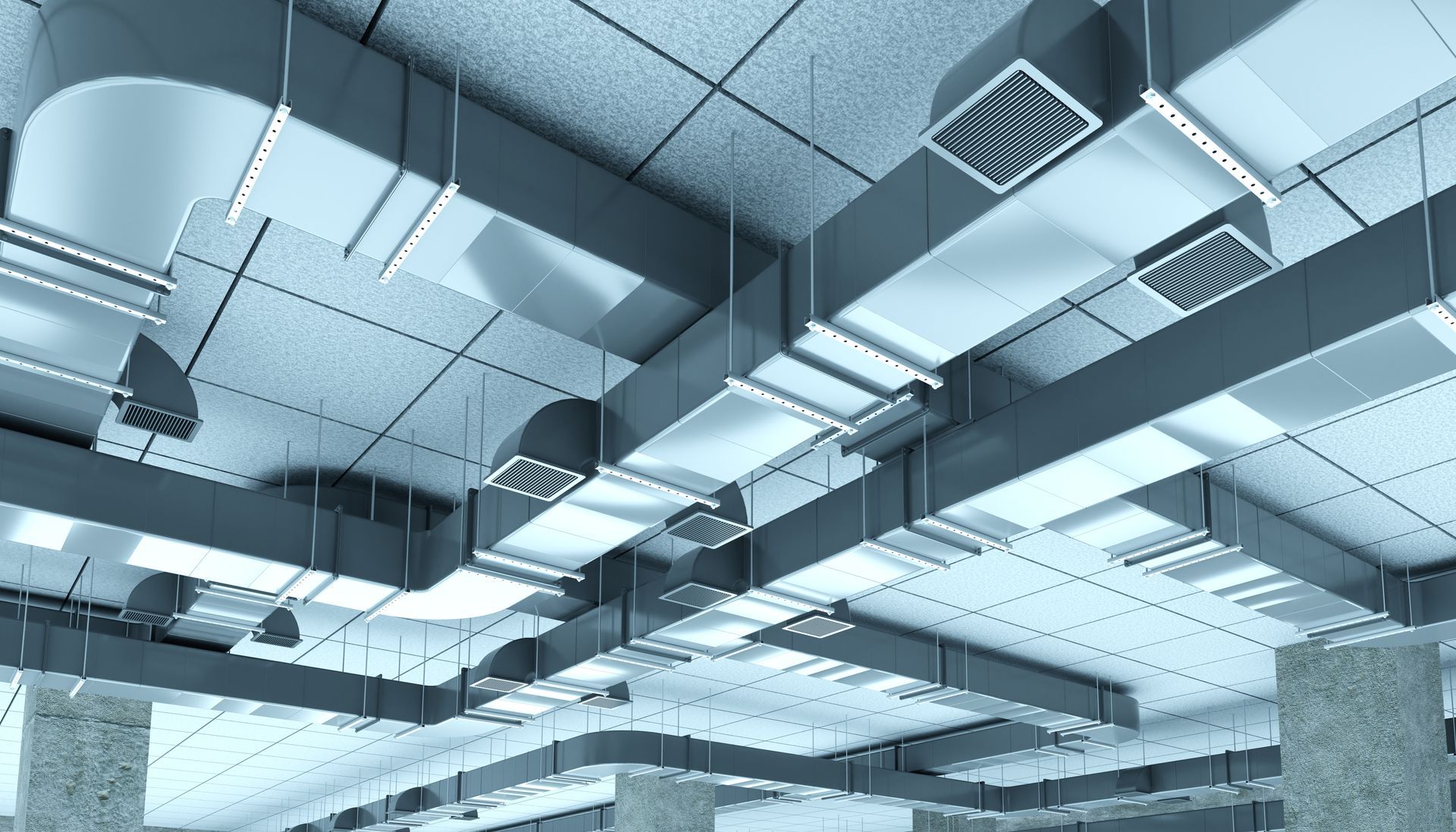
- Airflow from supply diffusers
- Return air performance
- Static pressure within portions of the duct system
- Damper operation
- Airflow delivered to different zones
- Thermostat and temperature sensor performance
- Fan operation
- How the HVAC system responds under normal building conditions
Based on those findings, adjustments may include modifying damper positions, correcting airflow distribution, updating occupancy schedules, recalibrating controls or making other control adjustments that help the system better match the building's current use.
The goal of adjustments is to ensure each area receives the amount of conditioned air appropriate for how that space is actually being used.
When Rebalancing May Not Be Enough
While airflow adjustments can resolve many comfort issues, they aren't the solution to every renovation-related problem.
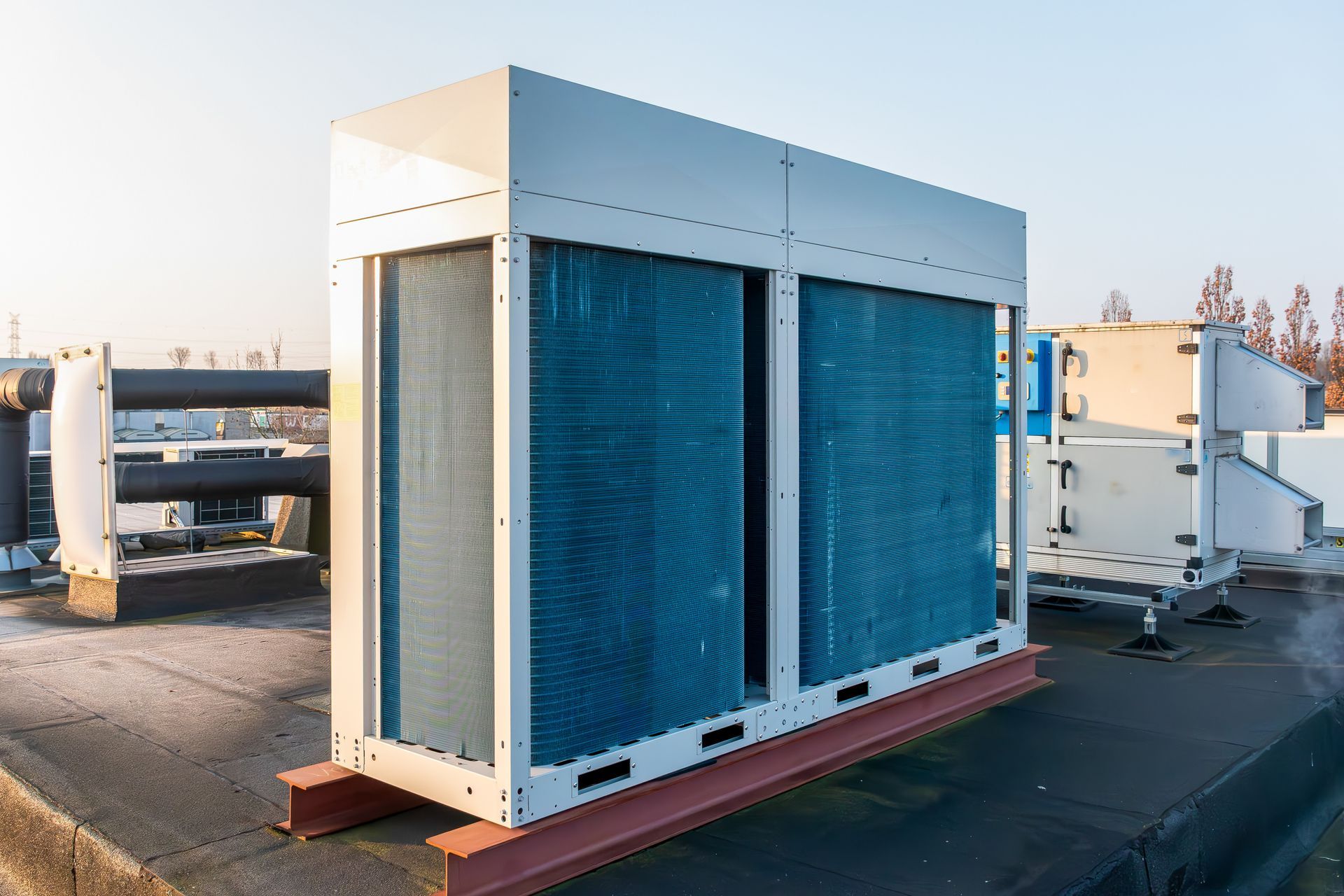
Some buildings undergo changes significant enough that additional HVAC modifications may be needed. It may be necessary to replace, supplement or retrofit equipment if there have been:
- Major increases in occupancy
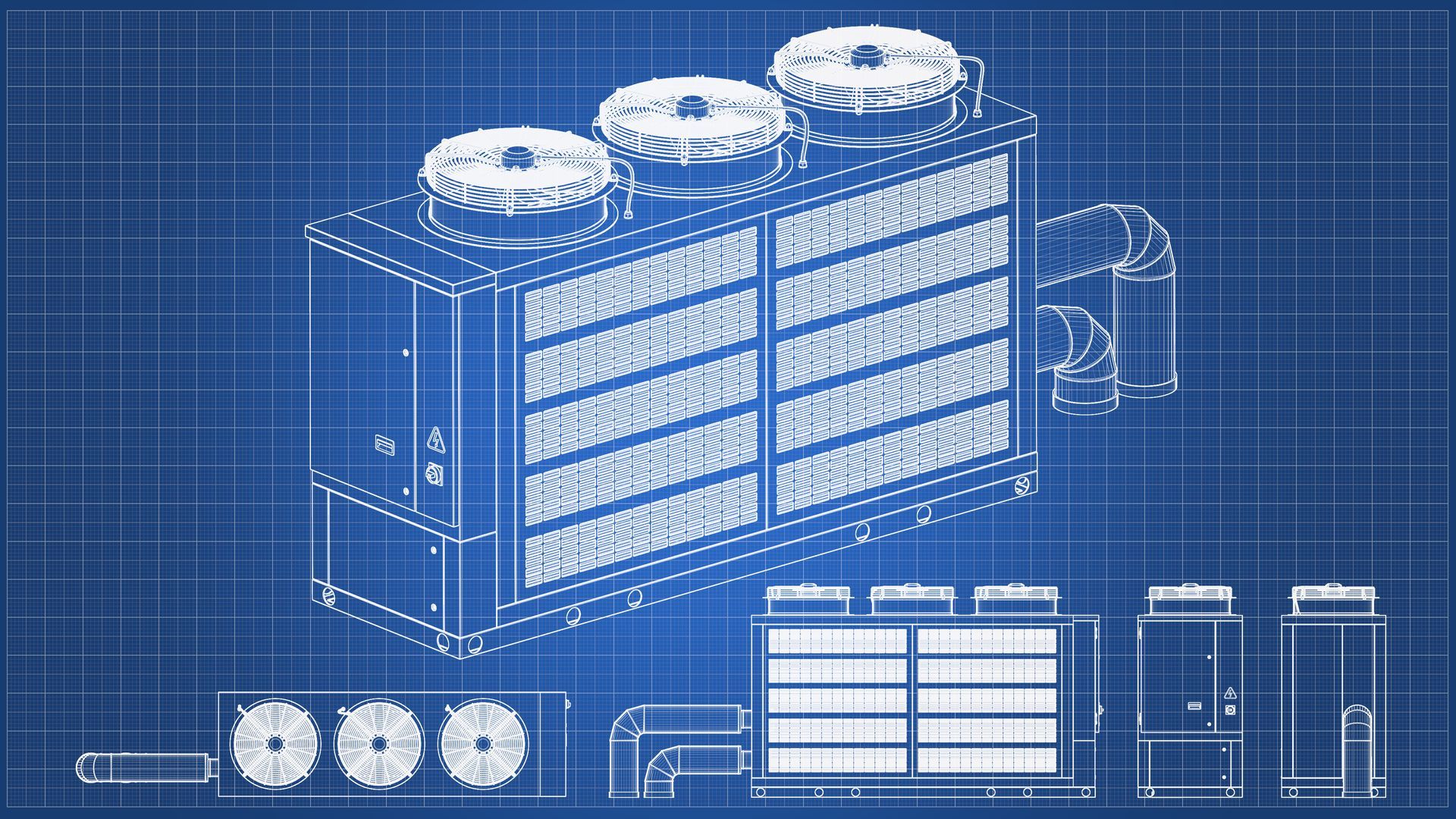
- Large server rooms or equipment generating substantial heat
- Building additions
- Significant changes to ductwork
In these situations, rebalancing may improve comfort, but equipment upgrades or system modifications may also be needed to ensure occupant comfort.
Evaluate HVAC Performance After Major Tenant Improvements
If comfort complaints begin after a remodel or renovations, an HVAC evaluation can help determine whether airflow, zoning, controls or equipment performance should be adjusted to better match the building's new layout and occupancy patterns.
Rather than assuming the HVAC equipment has failed, evaluating how the system is performing under current building conditions often provides a clearer path toward an effective solution.
Keep Your Building in Arlington or Fort Worth Comfortable After Renovations
Whether your facility has undergone tenant improvements, office reconfiguration or changes in occupancy patterns, Tom's Commercial can evaluate how your HVAC system is performing and recommend practical solutions based on your building's current needs.
Call Tom's Commercial at (817) 857-7400 to schedule service or an HVAC evaluation.