What Facility Managers Should Know Before Replacing One RTU in a Multi-Unit Building
Share

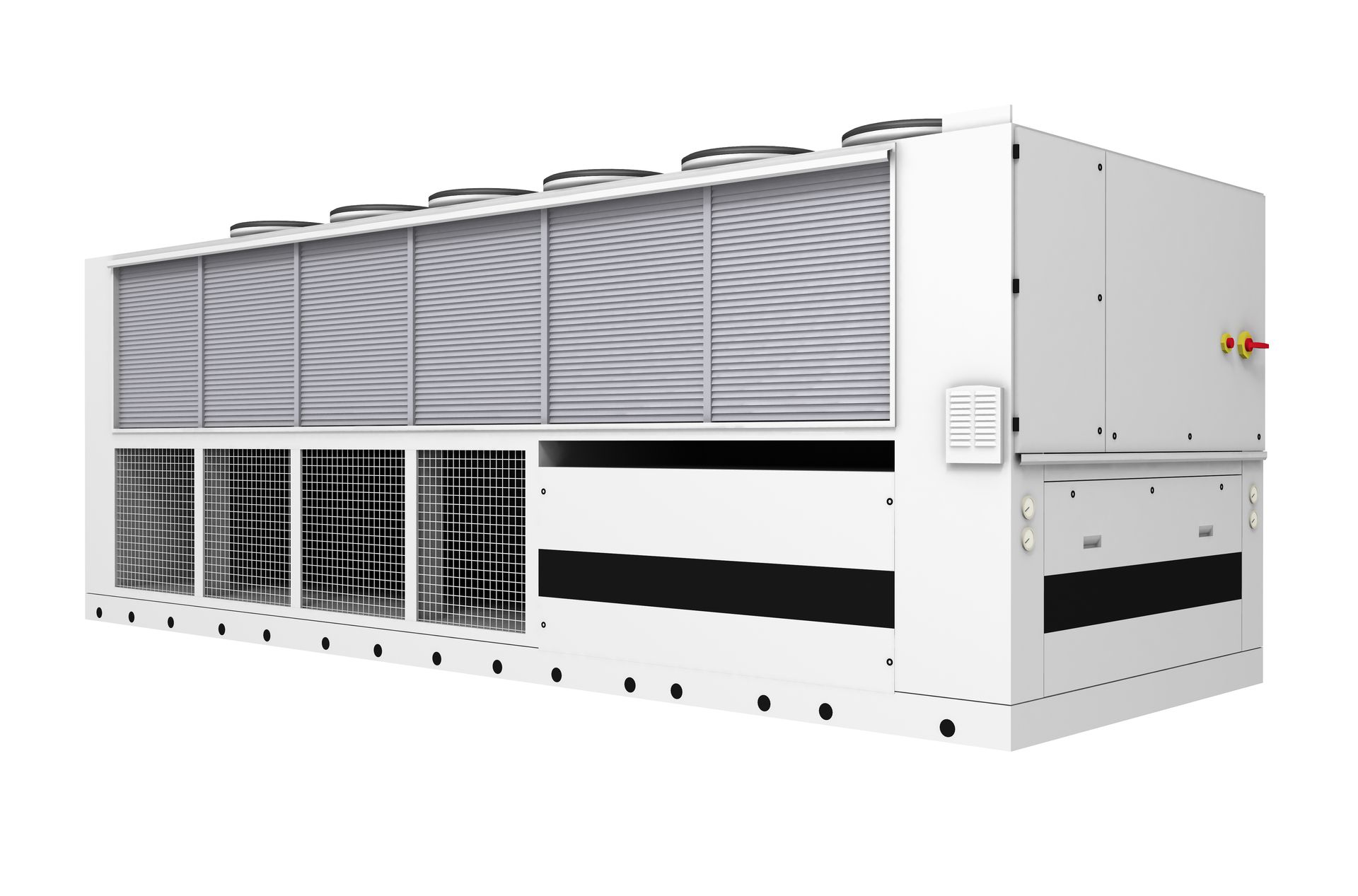
Many commercial buildings rely on multiple rooftop units rather than a single large HVAC system. As those units age, it's common for one RTU to fail years before the others. Facility managers are then faced with a choice: replace equipment one unit at a time or undertake a full-building replacement.
Phased replacement is often a practical approach, but the replacement should ideally be evaluated in the context of the building's current HVAC system, operational needs and long-term equipment strategy.
Replacing One RTU Doesn't Mean Every Unit Needs Replacement
A failure of one rooftop unit doesn't necessarily indicate the remaining equipment has reached the end of its service life. Replacing a single RTU may make sense when:
- One unit has experienced a catastrophic failure
- One RTU is significantly older than the others
- Capital improvements are being phased over multiple budget cycles
- The remaining units continue to perform reliably
Many commercial facilities and multi-family complexes successfully operate rooftop units of different ages for years without issue. Problems typically arise when there are integration conflicts or supply complications that make maintenance or service more difficult for some units.
Make Sure the Replacement Is Sized for Today's Building
One of the most common mistakes during RTU replacement is assuming the new equipment should simply match the nameplate capacity of the existing unit. New equipment, renovations or changing building occupancy can significantly change the building's heating and cooling load.
Before selecting replacement equipment, it's worth confirming that the original equipment size still reflects how the space is actually being used rather than how it operated 15 or 20 years ago.
Consider How the New RTU Fits Into the Existing HVAC System
Not every commercial building operates its rooftop units the same way.
Many office buildings, retail centers, multi-family buildings and warehouse spaces use independent RTUs, each serving its own area with a dedicated thermostat. In these buildings, managers typically don’t need to worry about the ease or feasibility of integration with existing controls.
It can be a different story for facilities that use centralized controls or building automation systems (BAS) to coordinate multiple rooftop units throughout the building. Depending on the control strategy, the replacement RTU may need to communicate with existing systems, follow centralized occupancy schedules or operate as part of a larger sequence of operation.
Before replacement, it may be important to evaluate:
- Compatibility with existing thermostats or controls
- Building automation system integration, where applicable
- Scheduling and occupancy control strategies
- Communication protocols
- Electrical service requirements
Considering these factors during planning can help avoid operational issues after the new equipment is commissioned.
Think About Refrigerant Strategy
Phased RTU replacement often results in buildings operating equipment that uses multiple refrigerants. That isn't necessarily a problem because each rooftop unit contains its own sealed refrigerant circuit, but it does introduce additional maintenance considerations.
Facility managers should understand:
- Which refrigerant the existing RTUs use
- Which refrigerant the replacement equipment requires
- Whether additional service procedures or safety requirements apply
- How refrigerant availability may affect future maintenance planning
- Whether standardizing equipment over time would simplify long-term service
Evaluate the Remaining Rooftop Units
Just because you don’t need to replace the other RTUs doesn’t mean they’re not worth evaluating. Replacing one unit can provide an opportunity to ask important questions, including:
- Are the remaining rooftop units approaching the same age?
- Have they required similar repairs?
- Are operating costs increasing across multiple units?
- Would replacing additional equipment during the same project reduce future disruption?
- Does standardizing equipment offer operational, maintenance or efficiency advantages?
In some cases, replacing just the problem unit is clearly the right decision. In others, it may make sense to consider a phased replacement plan for the other RTUs over the next several years.
Do You Need to Replace a Broken RTU or Are You Considering a Phased RTU Replacement Plan?
Tom's Commercial works with facility managers, property owners and businesses throughout Arlington and Fort Worth to evaluate existing rooftop equipment, develop phased replacement strategies and recommend practical solutions based on each building's operational needs.
Call Tom's Commercial at (817) 857-7400 to schedule an RTU replacement evaluation or request a proposal for your facility.