The ROI of Proactive Rooftop HVAC Maintenance in DFW
Share
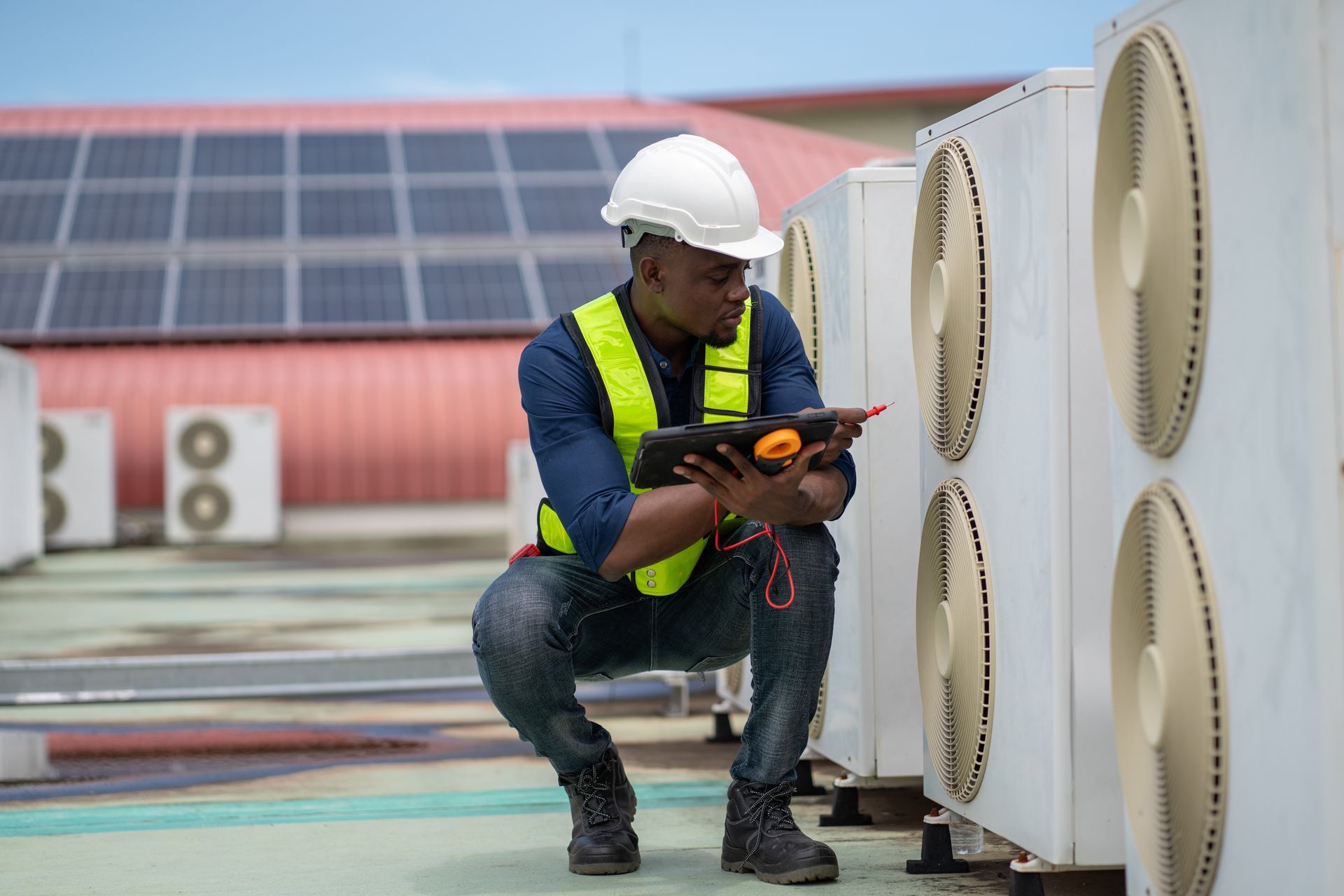
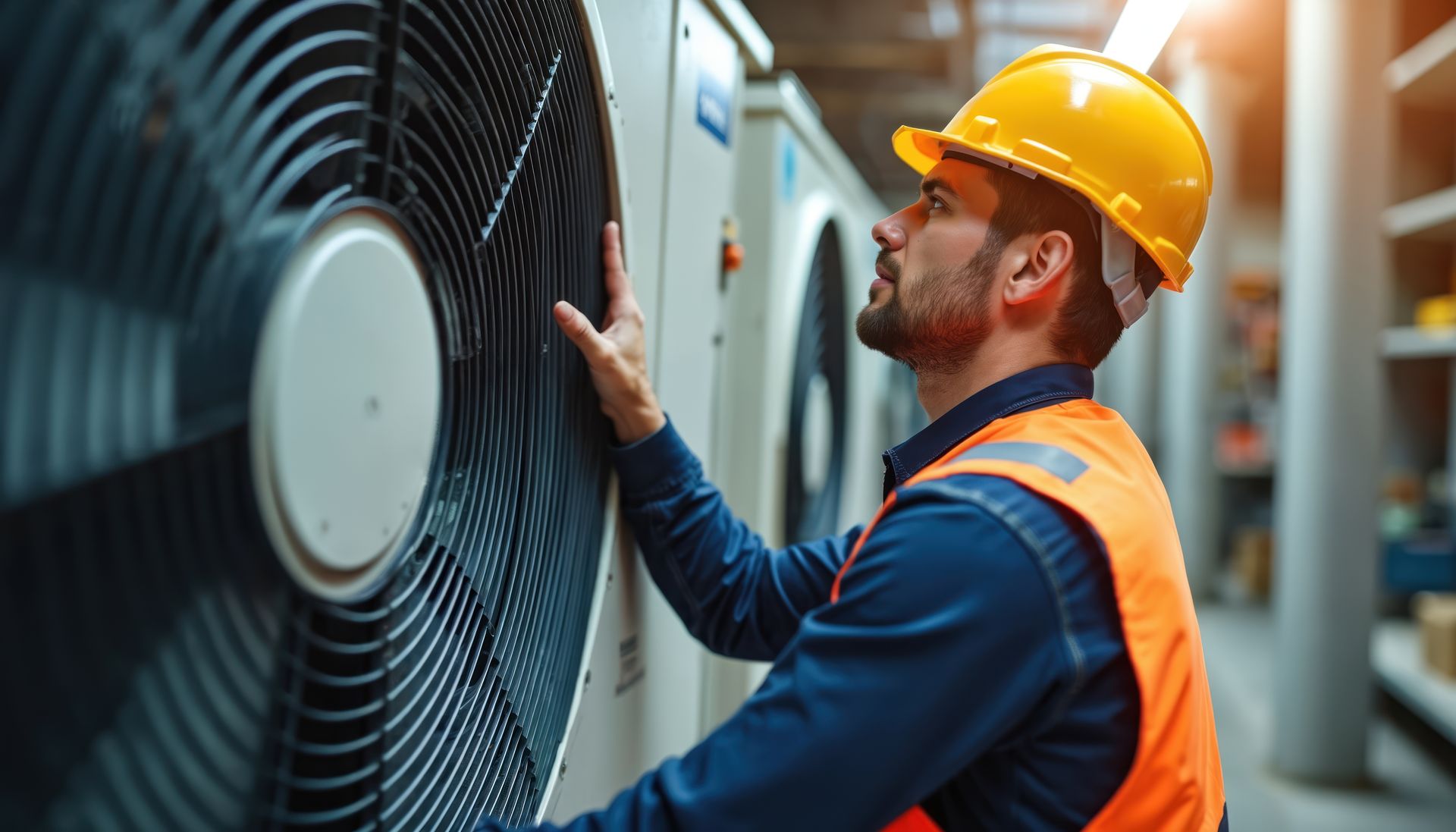
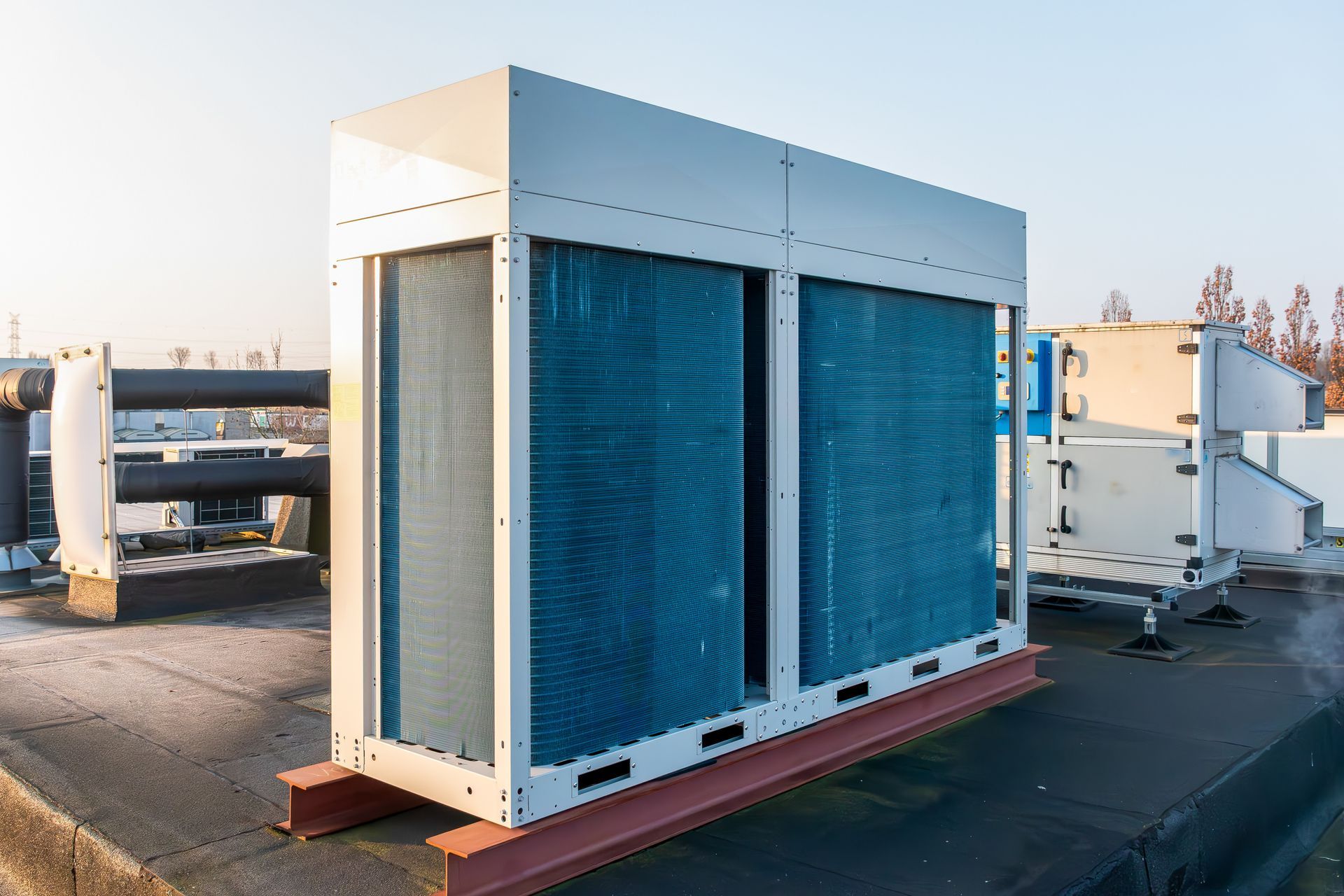
Rooftop HVAC units have an ‘out-of-sight-out-of-mind’ problem. Unless there’s a major breakdown, property managers often assume the equipment is doing fine. This attitude is especially common among businesses that deliberately or inadvertently budget reactively and address facility infrastructure issues only when they arise.
In other cases, facility managers may even have a maintenance agreement in place, but visits get skipped or checklists aren’t fully completed, and nobody notices because oversight of HVAC technicians typically isn’t thorough.
The result is the same: higher operating costs and shorter equipment lifespan. Ignoring or delaying maintenance isn’t cost-neutral; it creates hidden expenses that eventually show up in utility bills, repair invoices and premature replacement costs.
The Energy Efficiency Benefits of Maintenance
Energy efficiency is one of the most immediate ROI drivers of proactive maintenance. Dirty coils, clogged filters or weak components make rooftop units work harder to deliver the same amount of cooling. That wasted effort shows up on monthly energy bills.
A well-maintained rooftop unit consumes less electricity while it’s running. Even modest efficiency gains of 10 to 15 percent can translate into thousands of dollars in annual savings for a large building or a portfolio of properties.
Extending Equipment Lifespan
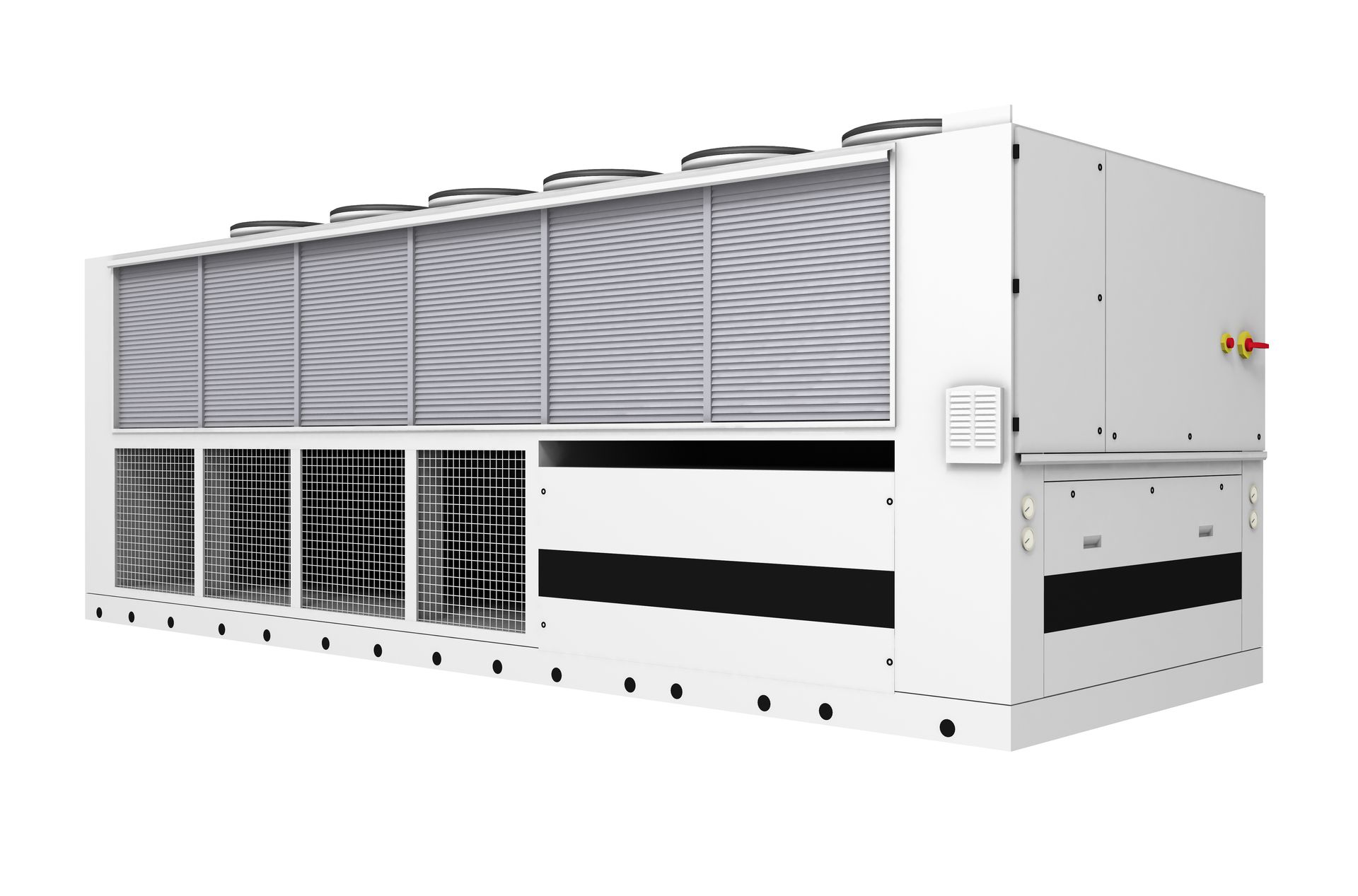
Rooftop units are capital investments, not disposable equipment. With proper care, they can provide reliable service for 15 to 20 years. Without it, they may suffer component failures that cascade into larger system damage, forcing owners into costly, premature replacements.
On the other hand, preventive maintenance addresses small wear-and-tear issues before they become catastrophic. Spending a little each year on tune-ups protects against six-figure replacement costs and keeps capital budgets predictable.
Reducing Repair Costs
It’s not an exaggeration to say that some catastrophic HVAC failures can be prevented with routine service. A worn belt or weak capacitor costs very little to fix. However, if left undiagnosed and unresolved, those same issues can take out a compressor or motor, resulting in repairs that can cost thousands and disrupt operations.
Preventive maintenance reduces the frequency and severity of repairs by identifying and resolving minor issues early. It transforms unpredictable, emergency repair bills into manageable, planned expenses.
Capital Budgeting
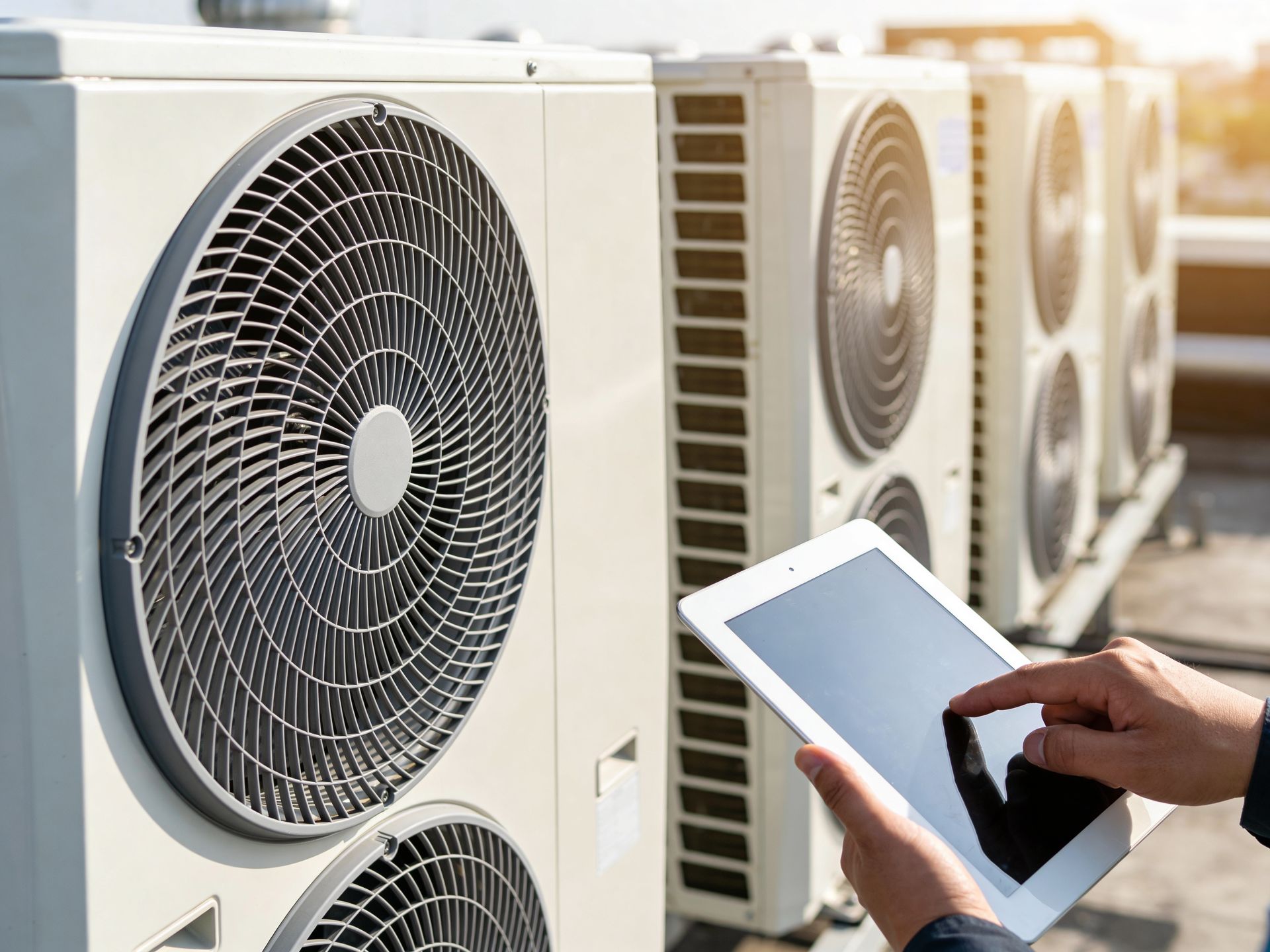
Regular inspections create a record of each rooftop unit’s condition, allowing property managers to make informed decisions about when to replace or upgrade equipment. Instead of being blindsided by multiple units failing in the same season, managers can phase replacements strategically.
Predictability makes long-term capital budgeting far easier.
Tenant, Customer, and Employee Satisfaction
Comfort is part of the value property owners offer tenants. Customers and employees expect dependable temperature and humidity control in commercial buildings, and tenants are obviously more likely to renew leases in properties where HVAC is effective and reliable.
Employees are more productive and customers more willing to linger in spaces that are comfortable year-round.
While the connection between comfort and ROI may be indirect, the impact on tenant retention, customer loyalty and workforce stability is real. When skimping on maintenance negatively impacts indoor comfort, it can damage those relationships in ways that cost far more than a service contract.
Partner With a Dependable DFW and Arlington HVAC Maintenance Service Provider
At Tom’s Commercial, we understand how critical rooftop HVAC systems are to North Texas businesses. Our team has decades of experience maintaining packaged rooftop units across the DFW metroplex, and we offer preventive maintenance agreements designed to protect your investment, improve efficiency, and reduce the risk of costly breakdowns.
Our technicians document each visit thoroughly so you always know what’s been inspected and what may need attention in the future. Call Tom’s Commercial today at 817-857-7400 to schedule maintenance or request an estimate.