What Does Pooling Indicate with a Commercial AC Unit?
Share
What Does Pooling Indicate with a Commercial AC Unit?
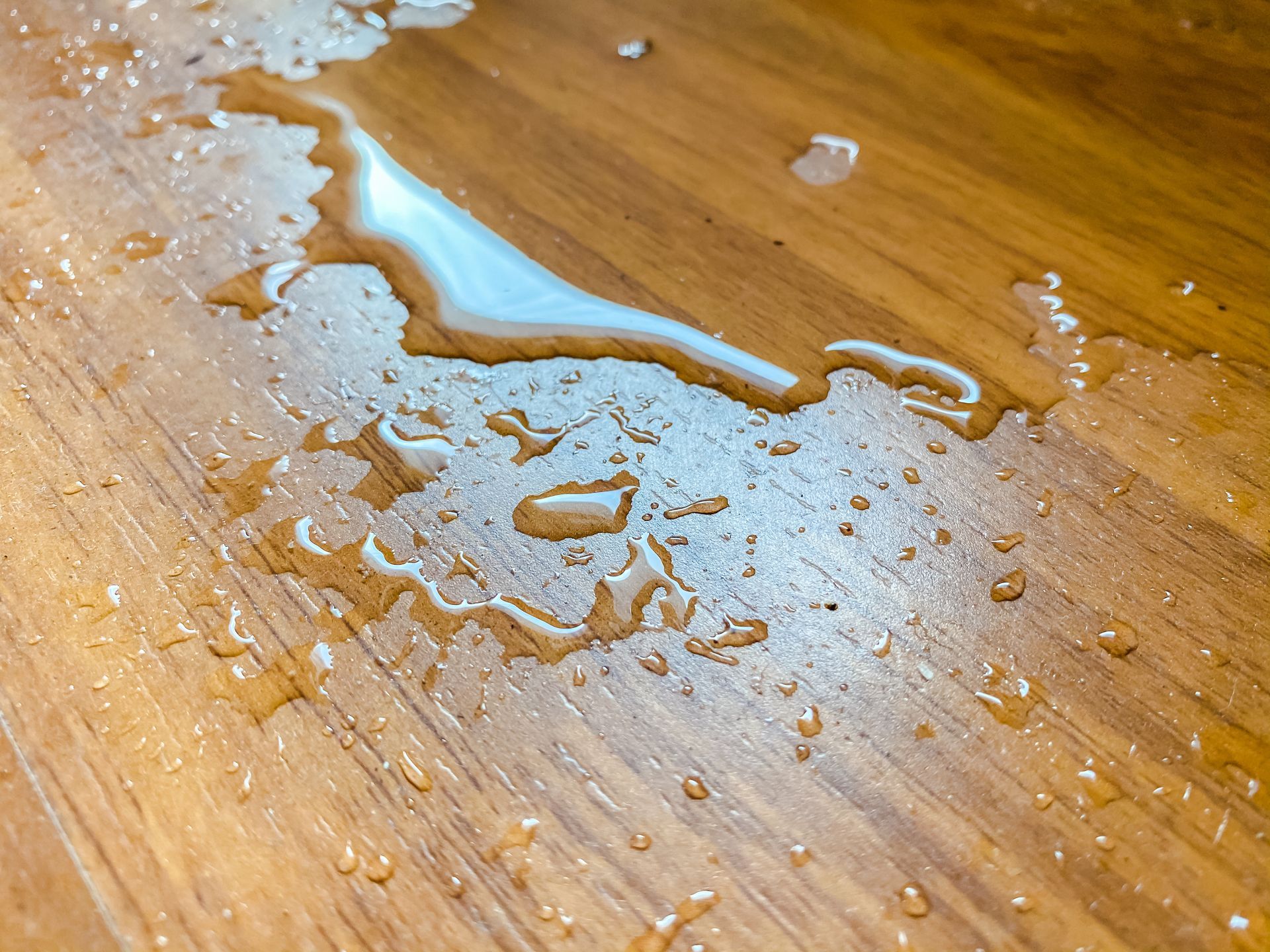
Water pooling around your commercial AC unit is never a good thing. In fact, an AC leaking water can indicate a serious problem with your commercial air conditioner, such as condensation buildup, a broken condensate pump or damaged drain pan (all of which require professional repair).
If you notice a perpetual puddle near your AC unit, be sure to turn it off and call an HVAC professional for help. Continuing to use the unit may lead to roof damage, cooling performance issues and even a complete system breakdown.
Although water leaking from your unit requires professional intervention, there is no need to worry. A skilled HVAC technician from Tom’s Commercial can inspect your AC unit, determine the cause of the leak and fix the issue in a timely and hassle-free manner, preventing unwanted business interruptions.
Why Is My AC Leaking Water?
Clogged Condensate Drain Line
The condensation drain line carries away the water that is created when the AC pulls moisture from the air to reduce indoor humidity. If the line becomes clogged, it can cause water to back up and overflow, leading to water pooling around the unit. The most common cause of a clogged condensation drain line is dirt and debris that has built up over time.
You can clean the drain line by scrubbing it with a brush and flushing it out with clean water. However, if the line is severely clogged or the blockage is difficult to reach, it may be best to leave the job to a professional.
Damaged Drain Pan
A drain pan is a shallow pan that is installed beneath the evaporator coil to collect condensation that forms during the cooling process. The condensation is then drained away from the unit, usually through a drain line.
If the drain pan is damaged, it can cause water to leak and damage the surrounding area instead of flowing into the line. Additionally, a damaged drain pan can lead to mold and mildew growth, which can be hazardous to the health of employees and customers.
You can try to patch the cracks in the damaged drain pan with a sealant. However, it's usually best to call an HVAC professional who can replace it with a new one.
Broken Condensate Pump
A condensate pump removes condensation from an air conditioning system. It's typically installed in the drain line of the AC and pumps the condensate water out of the building.
When the pump is broken, water will accumulate and eventually cause water damage to your business's walls, floors and furniture.
If you suspect your condensate pump isn't working properly, contact a professional HVAC technician right away. There are no DIY solutions to this issue, but a technician will be able to repair or replace the pump depending on the degree of damage.
Drain Line Isn’t Attached Properly
When your AC unit's drain line is not properly attached, it can cause a variety of problems. The most common issue is water leaking from the unit, which can damage the surrounding area and create a health hazard. Additionally, the air conditioner may not be able to cool your commercial space efficiently due to the lack of proper drainage.
To fix the issue, contact an HVAC professional who can reconnect the drain line and inspect it for any signs of wear or damage.
Frozen Evaporator Coils
The evaporator coils in an AC unit are responsible for cooling the air that is circulated throughout the building. The most common cause of frozen evaporator coils is low refrigerant levels. When the refrigerant level is too low, it causes the temperature of the coil to drop below freezing, resulting in ice forming on the coil.
Moisture can build up when the evaporator coils freeze, which then causes the drain pan to overflow and the AC to leak water.
If you suspect that your evaporator coils are frozen, contact a professional HVAC technician right away for assistance. They will be able to diagnose the issue and recommend a course of action for the repair or replacement of your AC system components.
Contact Tom's Commercial for Business AC Repair, Replacement and Maintenance in Arlington
A leaking air conditioner isn't just an unsightly and messy puddle of water you have to clean. It can also be a sign of a more serious problem. If your air conditioner is leaking, you should call an HVAC professional for help.
Tom's Commercial is a full-service commercial HVAC contractor that provides AC repair, installation and maintenance services to businesses in Arlington and throughout Tarrant County.
We've been providing quality HVAC services to businesses in the area for several decades. Our team of experienced technicians is available 24/7 to ensure your system is back up and running in no time.
To book your commercial AC service, call (817) 984-5779.