Why Commercial Heating Problems Often Show Up During Morning Warm-Up
Share
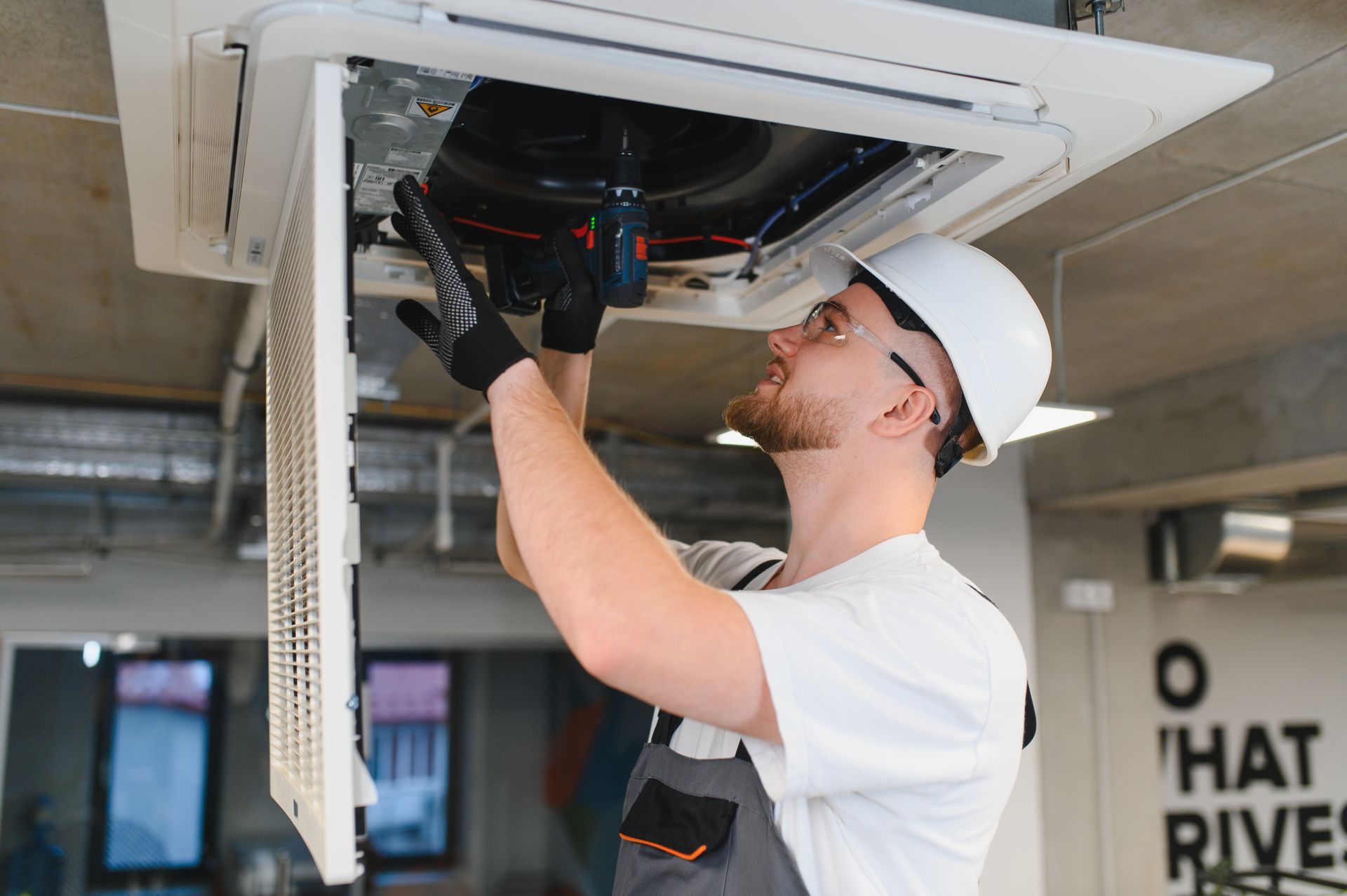
Commercial buildings in Arlington and Fort Worth are often allowed to cool overnight, forcing the HVAC system to bring multiple areas back to occupied temperatures before people arrive each morning. This can represent the highest heating demand of the day, when outdoor temperatures are lowest and the building has the largest temperature deficit to overcome.
If a commercial heating system is developing problems, morning warm-up is often when they become most noticeable.
Morning Warm-Up Can Expose Missing Heating Capacity
A properly designed commercial heating system should have enough capacity to handle expected winter conditions without operating at maximum capacity on a typical winter morning. That means a partially functioning system may appear to be working normally until colder weather and morning recovery require more of its available heating capacity.
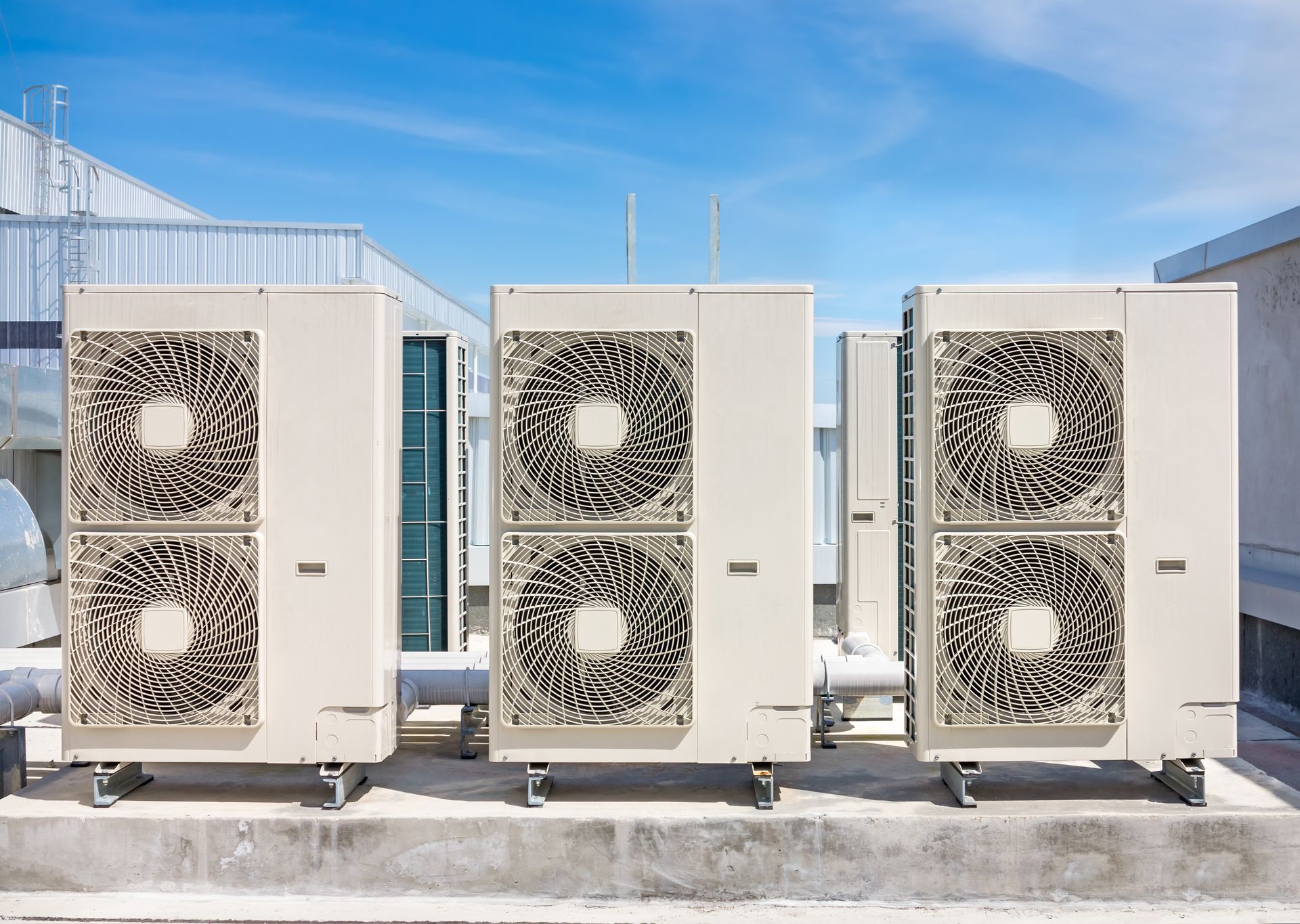
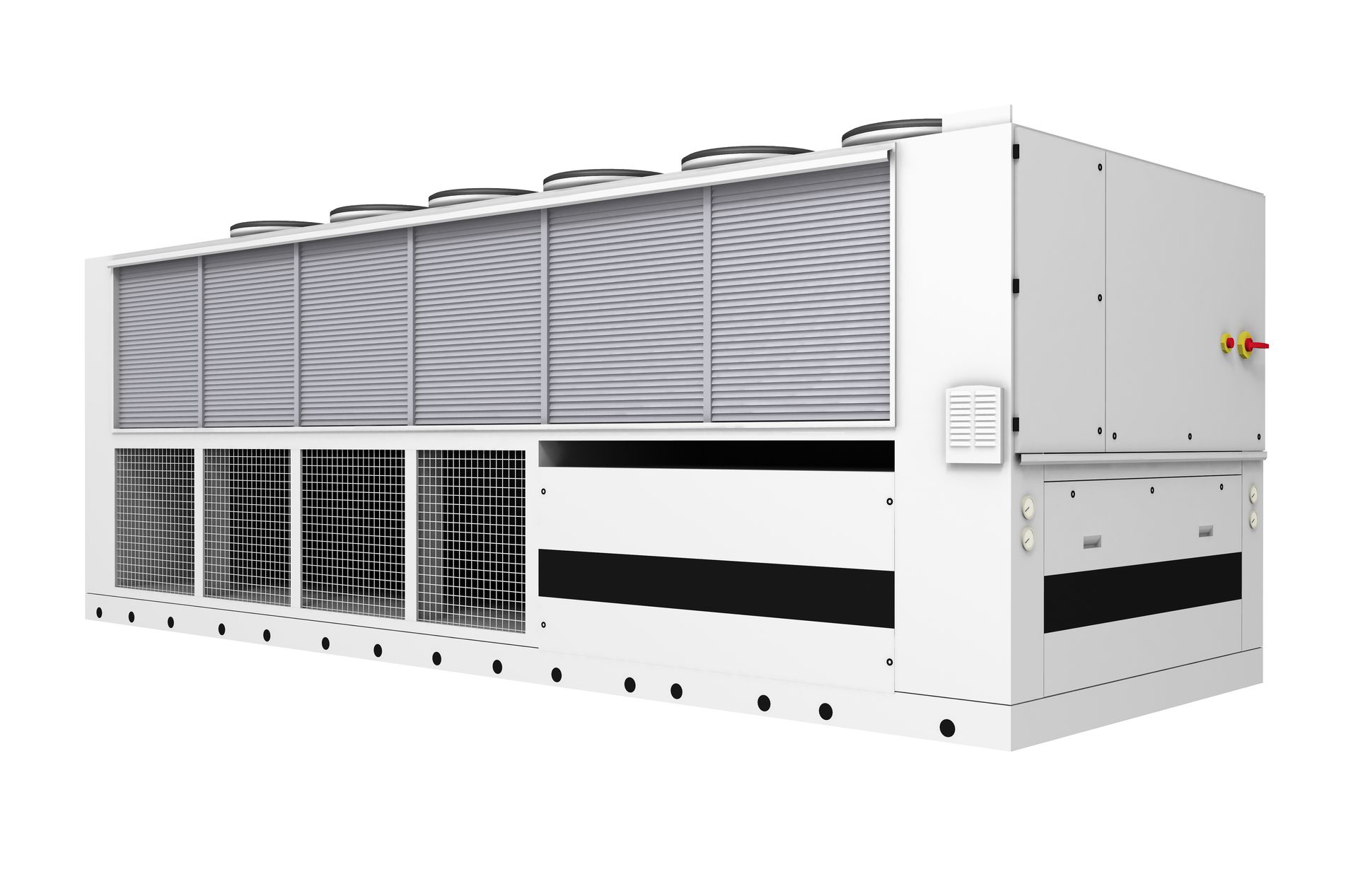
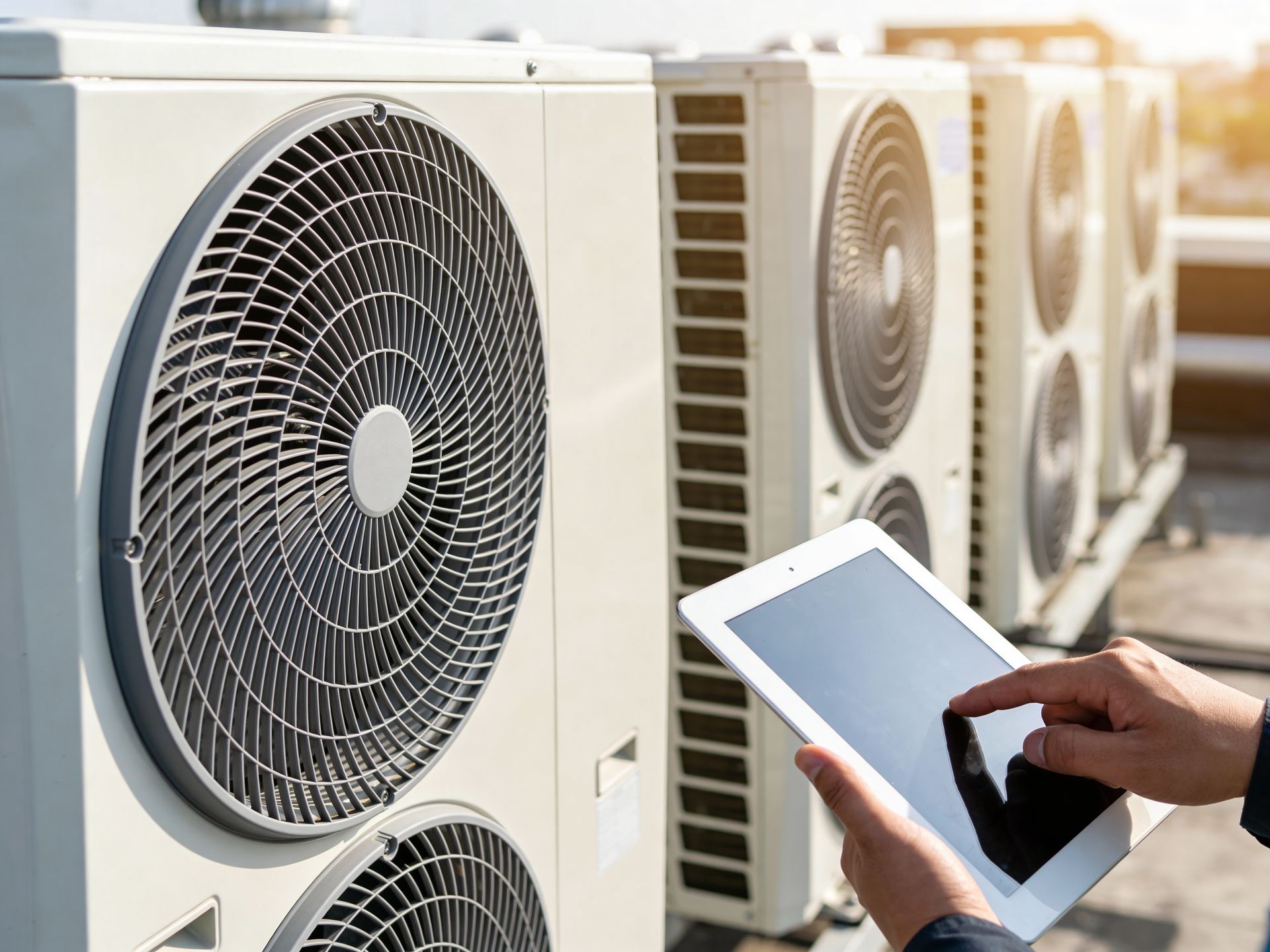
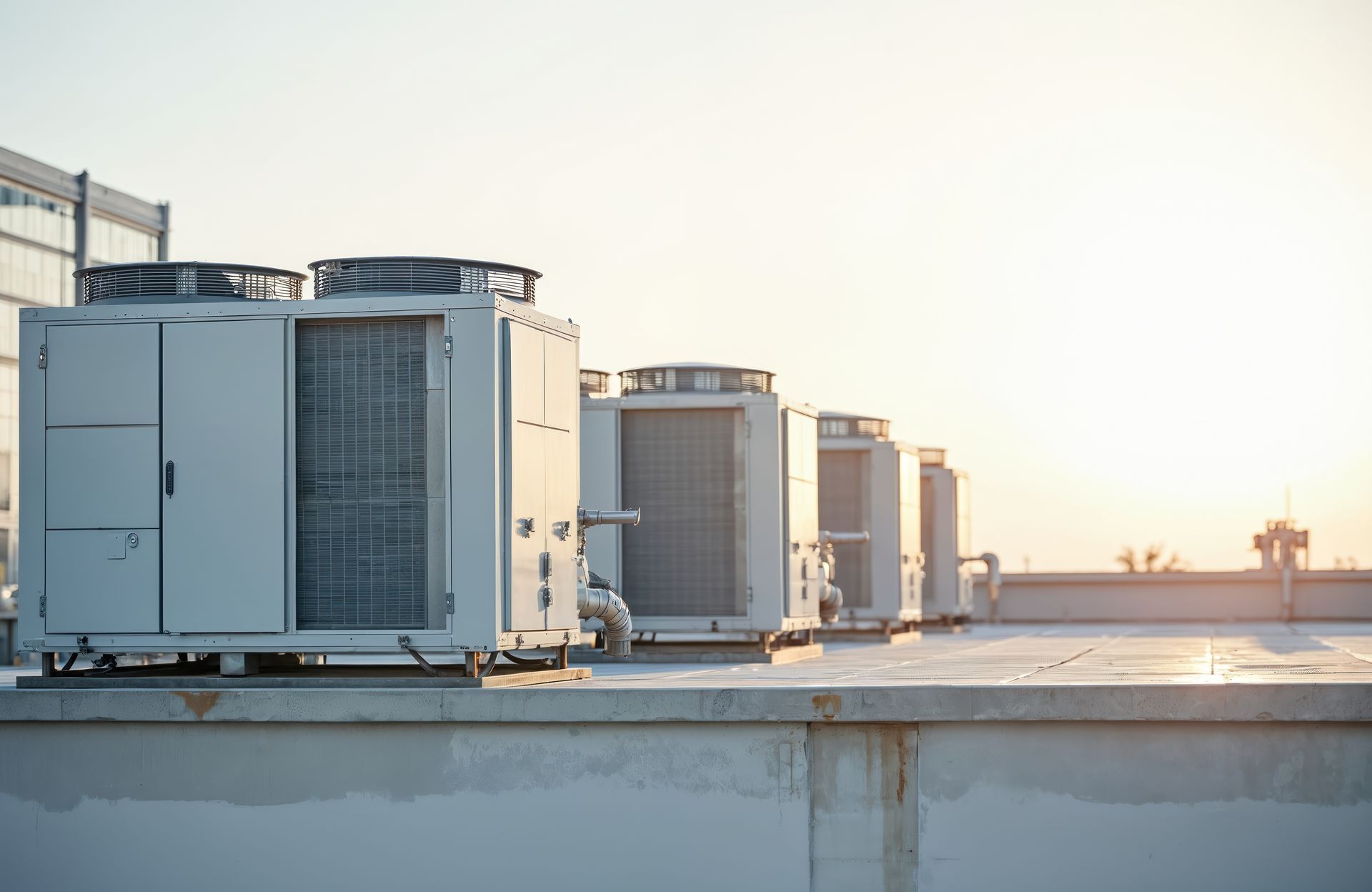
For example, a packaged rooftop unit with multiple stages of gas heat may continue producing heat even if one stage is not operating correctly. Under relatively light demand, the remaining capacity may be enough to maintain temperature. During recovery on a particularly cold morning, the same unit may run continuously without bringing the space up to setpoint quickly enough.
Other equipment problems can have a similar effect. The building eventually becomes comfortable, but it takes much longer than it should.
Airflow Problems Can Slow Recovery in Certain Areas
Not every morning heating complaint affects the entire building. Sometimes most areas reach the expected temperature while the same offices, tenant spaces or other zones remain cold.
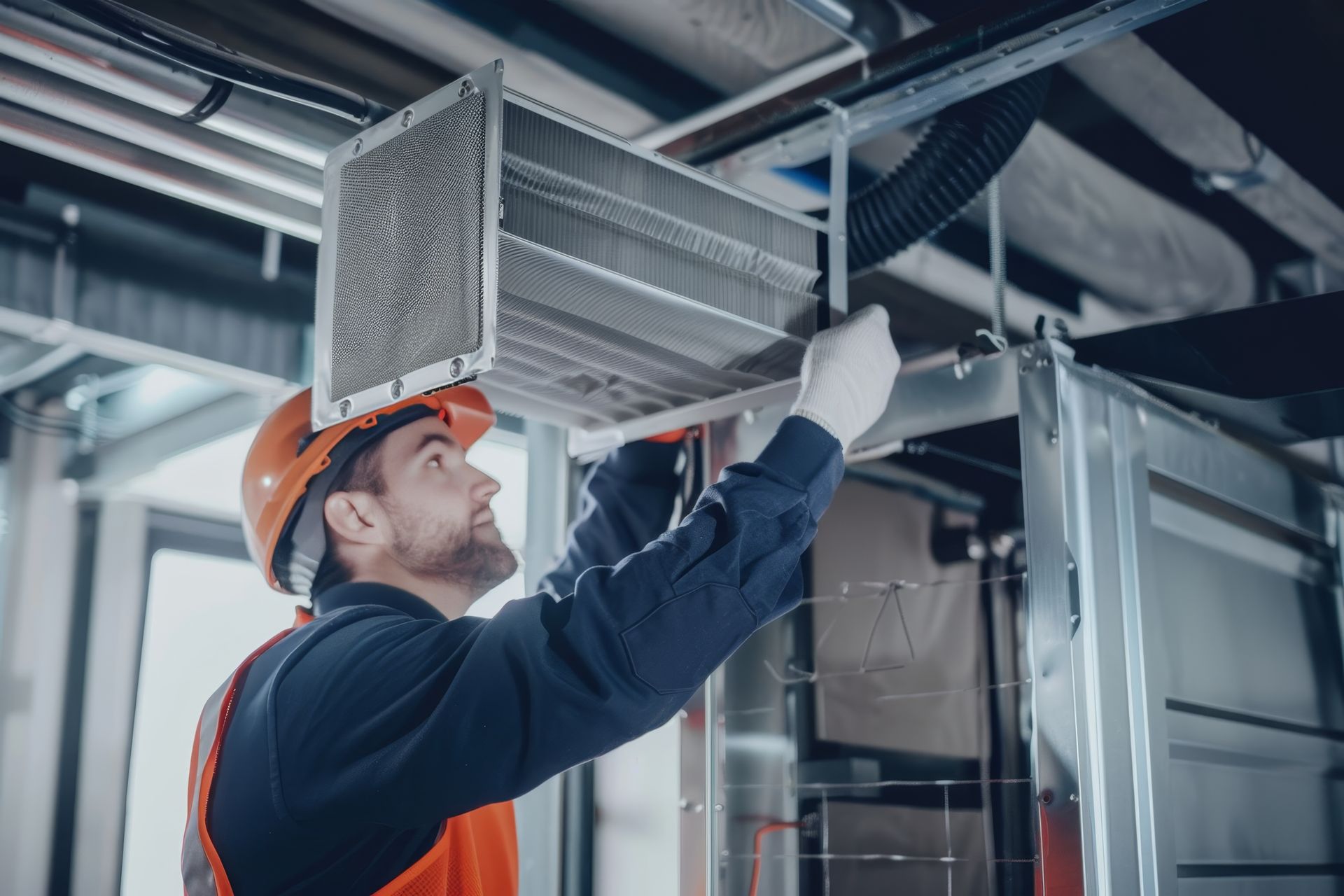
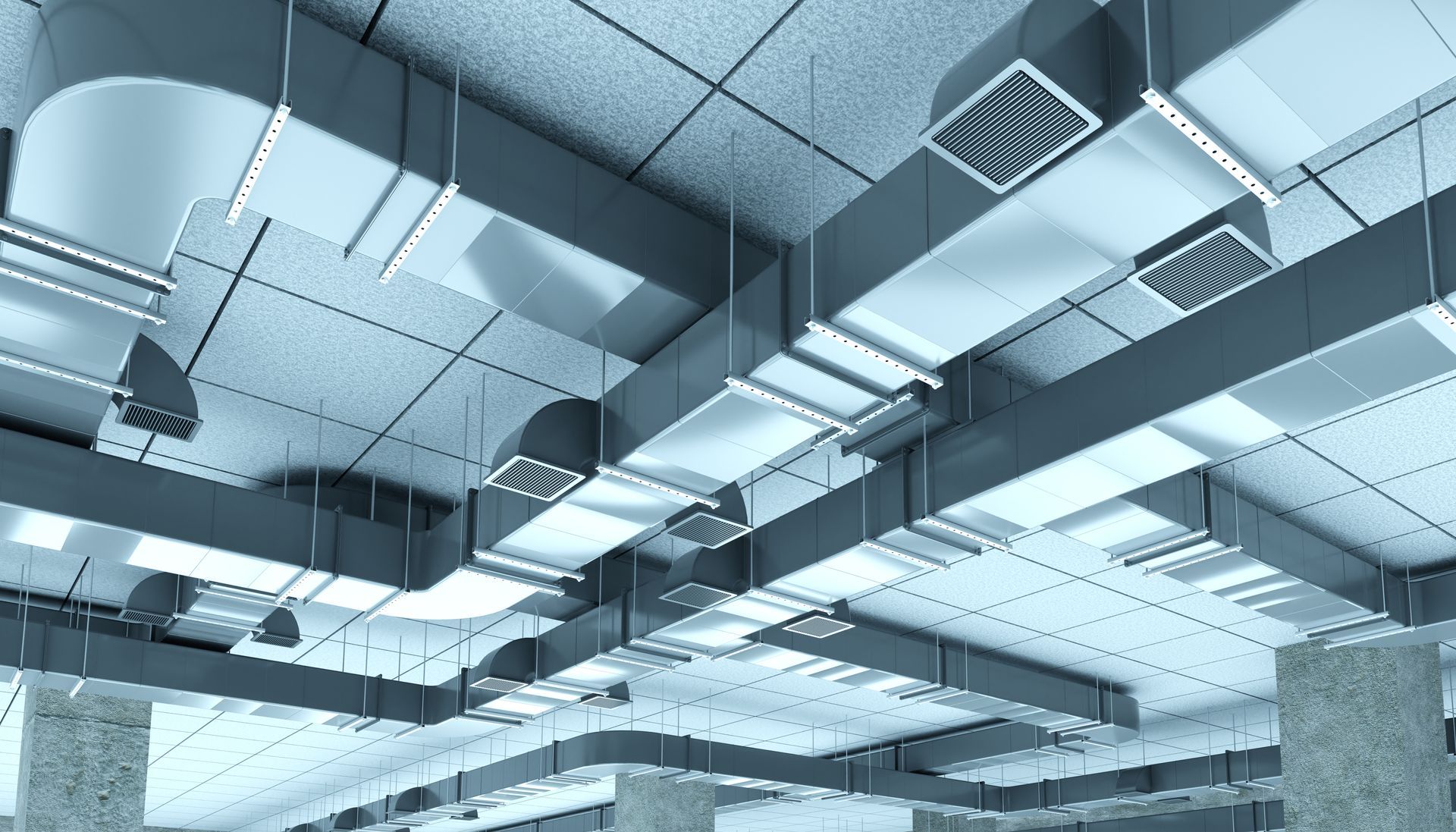
Restricted airflow, blower or belt problems, damper issues and other air distribution problems can limit how much heated air reaches particular areas. These deficiencies may be less noticeable after the HVAC system has been operating for several hours but become obvious when multiple spaces are trying to recover from an overnight setback.
The location of recurring complaints can provide an important clue about whether the problem involves overall heating capacity or heat distribution to a particular part of the building.
Controls and Scheduling Can Create Heating Complaints Even When Equipment Works
Morning comfort problems are not always caused by malfunctioning heating equipment. It is possible that the HVAC system’s schedule does not allow adequate time for it to bring the building up to temperature before occupancy.
For example, a new tenant’s employees may arrive earlier than the previous tenant, or areas of the building may be put into use at times that were not anticipated when the schedule was originally configured. Outdated building automation schedules can make it look like something is wrong when the heating system is actually working properly.
It’s also possible for faulty temperature sensors or problems with control sequences to prevent equipment or additional heating stages from coming on when needed. In that scenario, the RTU or furnace might be capable of meeting demand but simply isn’t receiving the right information.
Simultaneous Heating Demand Can Reveal Problems Across the Building
Morning warm-up may also cause numerous zones and pieces of HVAC equipment to call for heat at approximately the same time.
This simultaneous demand should not be a problem for a properly designed and operating system. However, equipment that is not delivering its expected heating capacity, controls that are not sequencing correctly or distribution problems affecting particular zones may become easier to identify during the morning recovery period.
Repeated Morning Heating Complaints Point to a Pattern Worth Investigating
If a commercial building is routinely cold when occupants arrive but eventually reaches the expected temperature, the fact that it catches up later does not necessarily mean the HVAC system is operating as intended.
Repeated morning complaints may point to insufficient recovery time, control problems, restricted airflow or heating equipment that is not delivering its expected capacity.
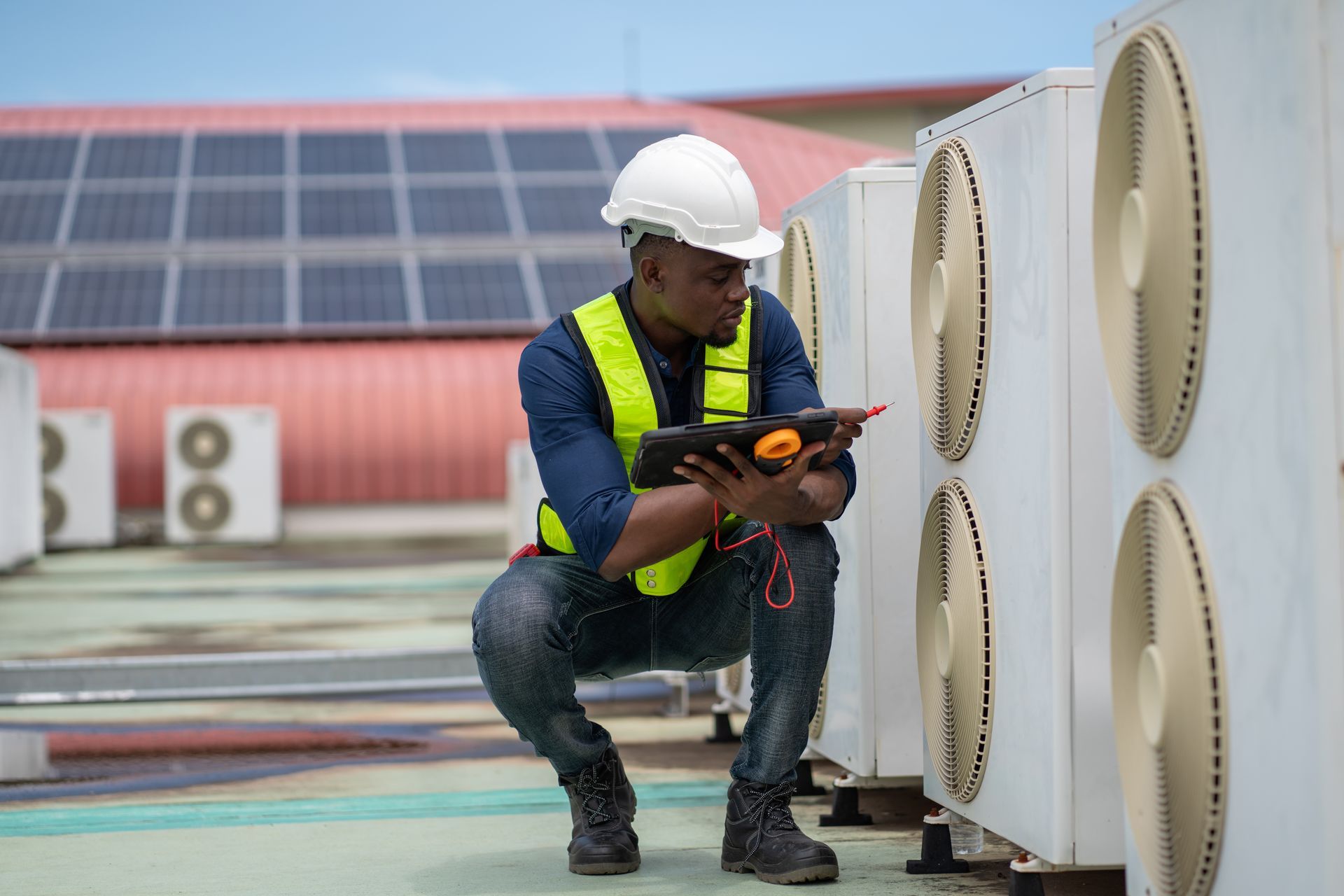
If your commercial property regularly struggles to reach the expected temperature before occupancy, call Tom's Commercial at (817) 277-4493. Our technicians can investigate and repair recurring morning heating problems and determine whether the cause involves heating equipment, airflow, controls or system scheduling.