Why Commercial Rooftop Heating Problems Often Appear During Cold Weather
Share
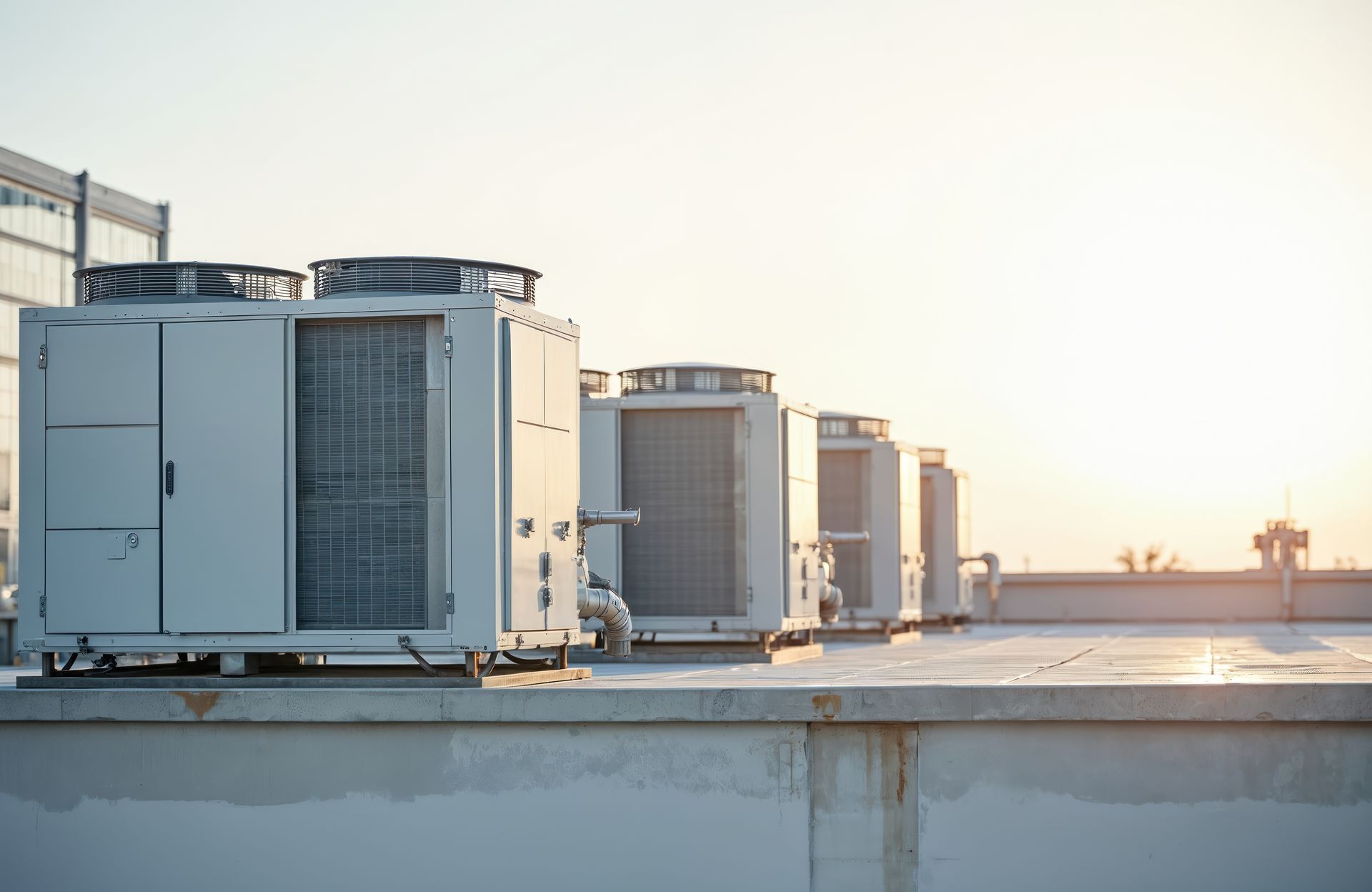
Commercial rooftop units do not necessarily operate at full heating capacity every time the building calls for heat. During mild Arlington and Fort Worth fall or winter weather, relatively short heating cycles or lower heating demand may be enough to maintain the desired indoor temperature.
That leaves some room for problems to go unnoticed. The same RTU may fall behind once colder outdoor temperatures increase heat loss from the building and require longer heating cycles.
A Failed Heating Stage Can Go Unnoticed Until a Cold Snap
Many gas/electric commercial rooftop units use multiple stages of heating. The system can bring on additional heating capacity as conditions require it.
If the first heating stage operates normally but a subsequent stage does not, there may be little indication of a problem during mild weather. The RTU is still producing heat, and the building may still reach its temperature setpoints.
Colder weather can make the lost capacity much more noticeable. The unit may run for extended periods without bringing the space up to temperature, or certain areas may begin generating comfort complaints even though the RTU appears to be operating.
Airflow Problems Can Become More Significant During Longer Heating Cycles
Adequate airflow is important for both delivering heat throughout a building and keeping heating equipment operating within the appropriate temperature range.
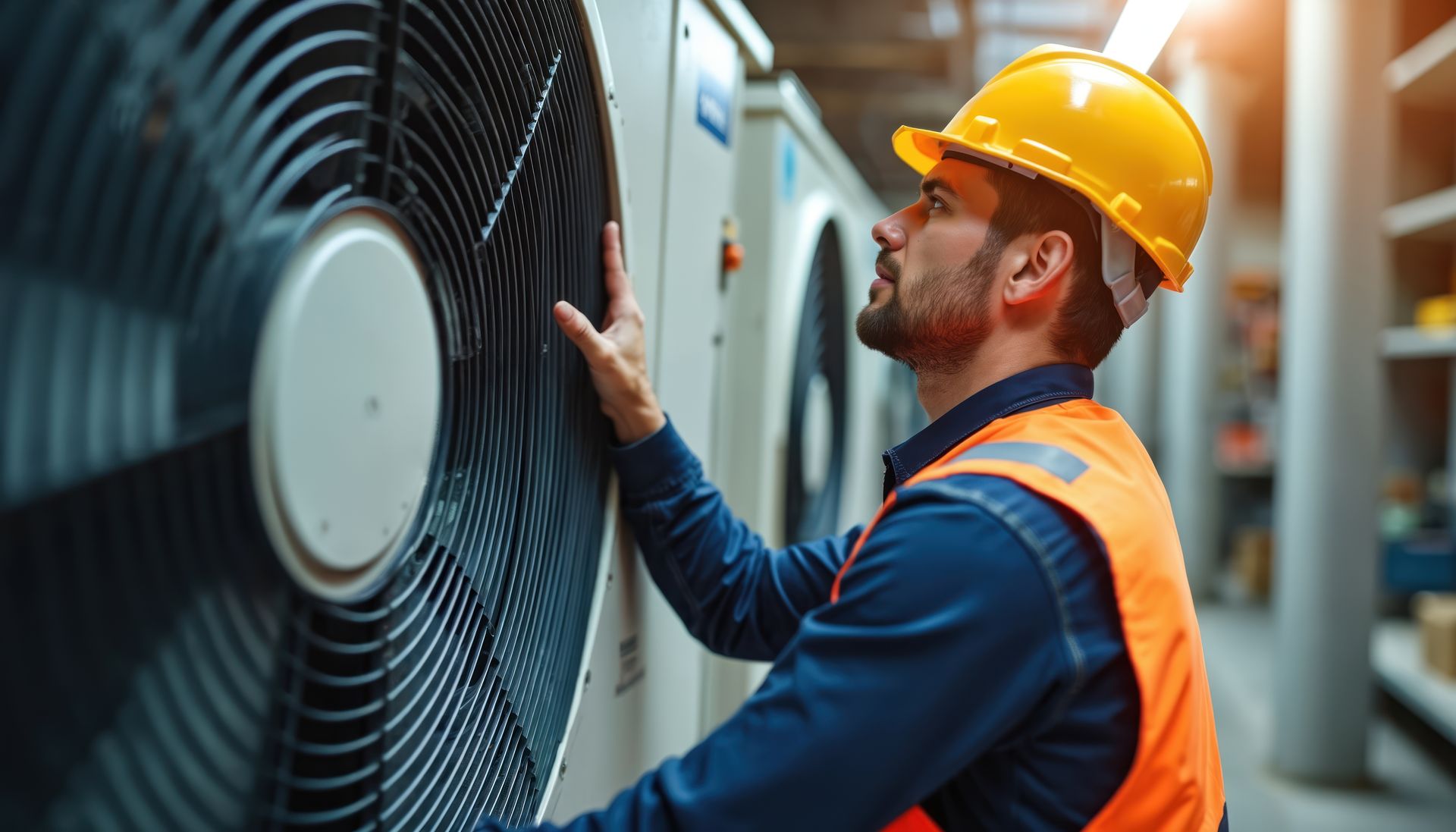
Dirty filters, blower problems, worn belts, damper issues and other airflow restrictions can reduce the amount of heated air reaching occupied spaces. On gas-fired equipment, insufficient airflow can cause the heating section to overheat and trigger a high-limit safety control.
A problem that rarely causes a shutdown during short heating cycles may become much more apparent when the RTU is required to operate for longer periods.
Worn Components May Fail Under Increased Heating Demand
Not every cold-weather heating problem is an existing issue that only becomes noticeable when temperatures drop below average. Sometimes a component that was already worn or deteriorated may be pushed over the edge by increased demand.
Motors, electrical components, ignition components and other parts of the heating system can experience additional stress during longer run times and more frequent cycling. A component that was approaching the end of its service life may finally fail and require repair when the equipment begins operating more heavily.
The cold weather did not necessarily cause the wear, but increased operation can be the final straw.
Controls and Safety Devices Can Interrupt Heating Operation
Commercial heating operation depends on a sequence of controls and safety devices working correctly. Ignition controls, flame sensors, pressure switches, limit switches, temperature sensors and other components may prevent the heating section from operating when the expected conditions are not met.
Building automation controls can also affect when equipment starts, which heating stages are called and the temperatures the system is attempting to maintain.
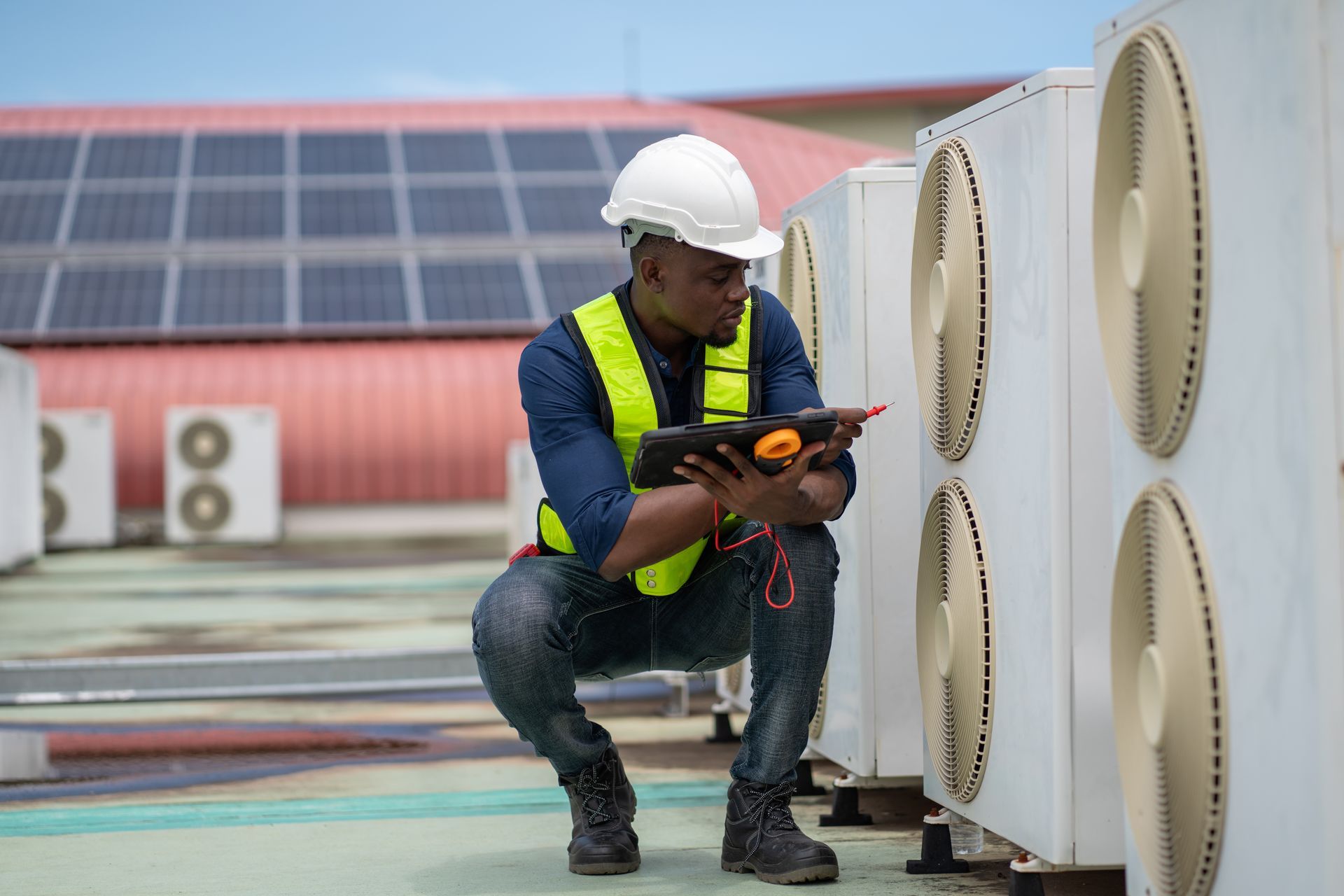
When heating problems only appear under certain conditions, HVAC technicians may need to determine what is happening at the point in the operating sequence where the problem occurs rather than simply checking whether the unit can produce heat.
What Should Facility Managers Check When Heating Falls Behind?
When an RTU begins struggling during colder weather, information about how and when the problem occurs can help with troubleshooting. Facility staff can note:
- Which units, zones or areas are affected
- Whether the equipment is producing some heat or no heat
- Whether the problem is constant or only occurs during colder periods
- Whether problems are most noticeable during morning warm-up
- Any alarms or equipment status information available through the building automation system
- Whether equipment is repeatedly shutting down or requiring resets
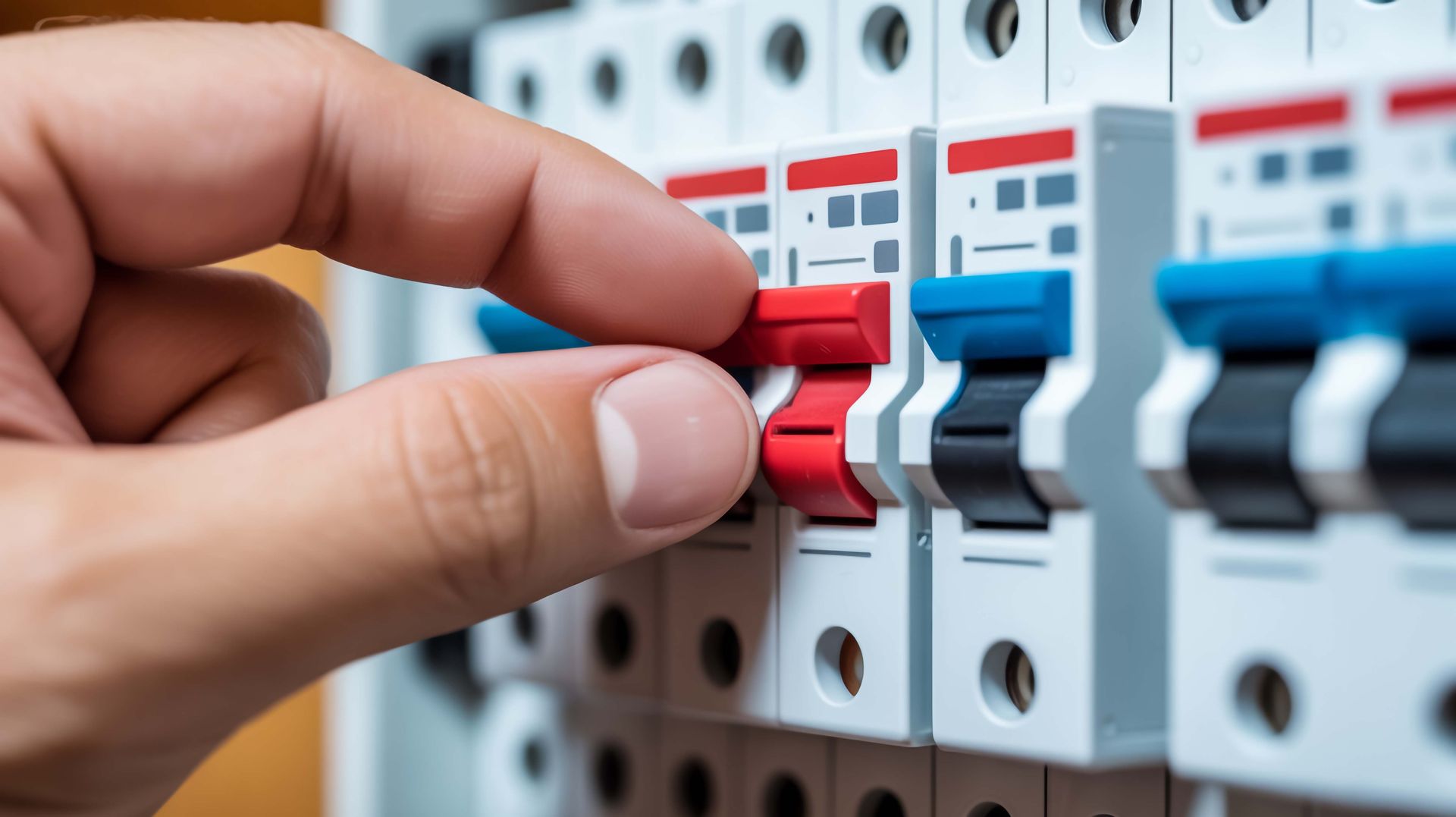
Repeatedly resetting equipment that continues to trip a breaker or safety control can allow an underlying problem to worsen and should not be used as a substitute for diagnosing the cause.
Have Commercial Heating Problems Diagnosed and Fixed Before the Next Cold Snap in Arlington and Fort Worth
An RTU that keeps a building comfortable during mild weather may still have a developing problem that becomes apparent under heavier heating demand.
If your commercial rooftop units are struggling to maintain temperatures, shutting down or developing other heating problems, contact Tom's Commercial at (817) 857-7400. Our technicians can troubleshoot heating stages, airflow, controls and other potential causes to determine why the system is falling behind.