Why Might a Commercial Furnace or Rooftop Unit Keep Tripping the High-Limit Switch?
Share
A high-limit switch shuts down gas-fired heating equipment when temperatures exceed the system's safe operating range. If the limit repeatedly trips, resetting the equipment may restore heat temporarily, but it does not address whatever is causing the system to overheat.
Repeated high-limit trips can result from restricted airflow, blower problems, improper heating operation or control issues. Determining why temperatures are getting too high is necessary to correct the problem and prevent future shutdowns.
What Does a High-Limit Switch Do?
The high-limit switch is a safety device that monitors temperature inside the heating equipment. If temperatures rise beyond an acceptable range, it should interrupt burner operation to prevent continued overheating.
Depending on the equipment, the blower may continue running to move air across the heat exchanger and help dissipate excess heat.
Some limit switches automatically reset after temperatures fall, which can allow the burners to restart even though the underlying problem remains.
A tripped high-limit switch does not necessarily mean the switch itself has failed. In many cases, the switch is responding as designed to an overheating condition elsewhere in the system.
Restricted Airflow Can Cause the Furnace to Overheat
Gas-fired heating equipment depends on adequate airflow to carry heat away from the heat exchanger and distribute it throughout the building. When airflow is restricted, temperatures inside the heating section can rise too high.
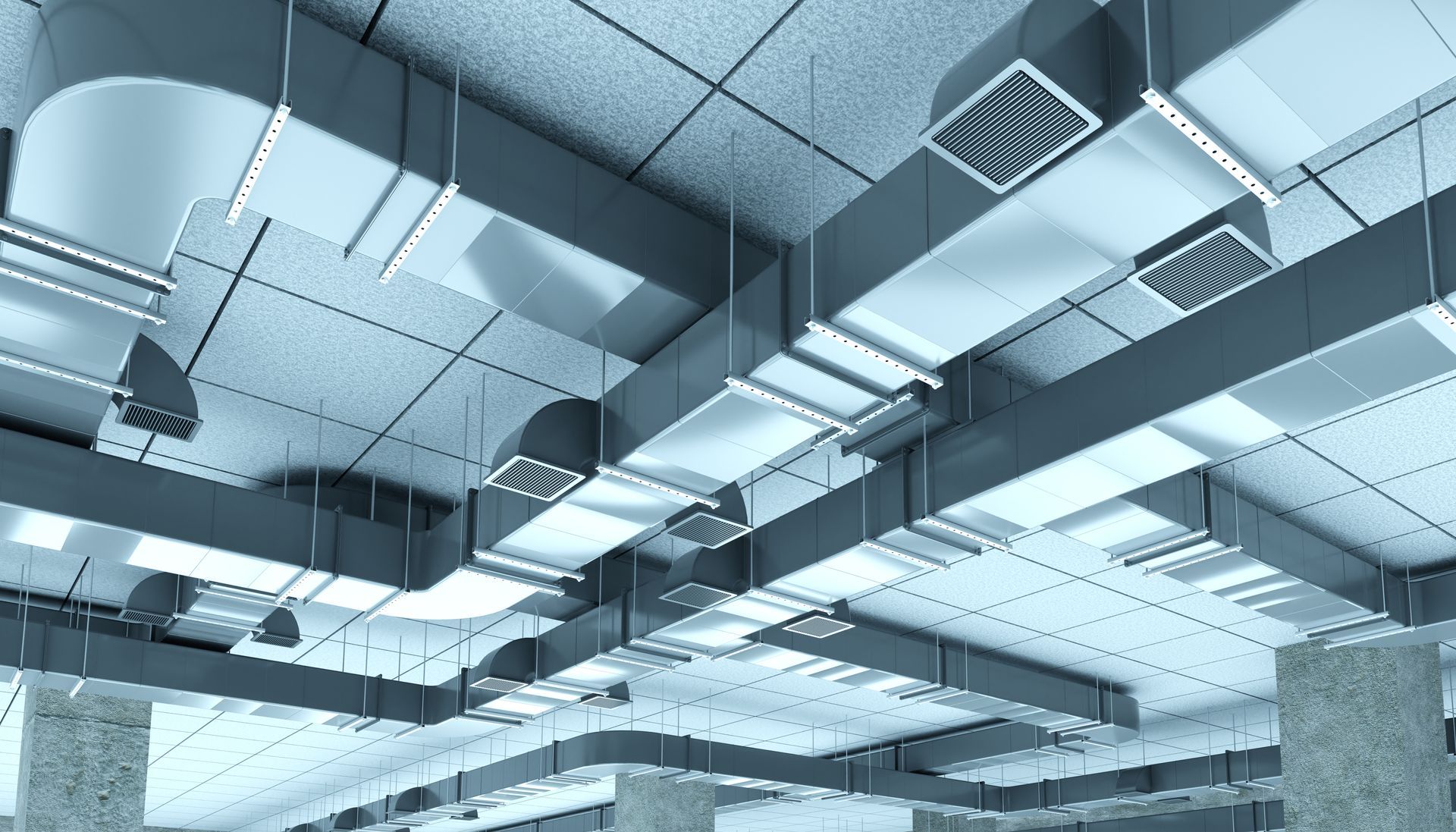
Dirty or overly restrictive filters are one possible cause, but airflow can also be affected by blocked returns, duct restrictions, closed or improperly positioned dampers and other problems within the air distribution system.
The result can be excessive temperature rise across the heating equipment. Once temperatures reach the high-limit setting, burner operation is interrupted until the equipment cools.
Blower and Belt Problems Can Reduce Airflow
Airflow problems are not always caused by a physical restriction. Commercial furnaces and rooftop units also depend on the blower assembly to move the required volume of air.
A worn or slipping belt, blower motor problem, incorrect fan speed or damaged or dirty blower components can reduce airflow enough to contribute to overheating.
This can sometimes make the problem less obvious. Air may still be coming from the supply vents, but the blower may not be moving enough of it to keep the heating equipment within its intended operating temperature range.
Heating and Control Problems Can Also Cause Limit Trips
Restricted airflow is a common reason for overheating, but it is not the only possibility. The amount of heat being produced also needs to remain appropriate for the airflow through the equipment.
Problems with burner operation, gas input, fan controls or other heating controls can create operating conditions that cause temperatures to rise beyond the acceptable range. Improper equipment setup or previous repairs may also contribute to recurring limit trips.
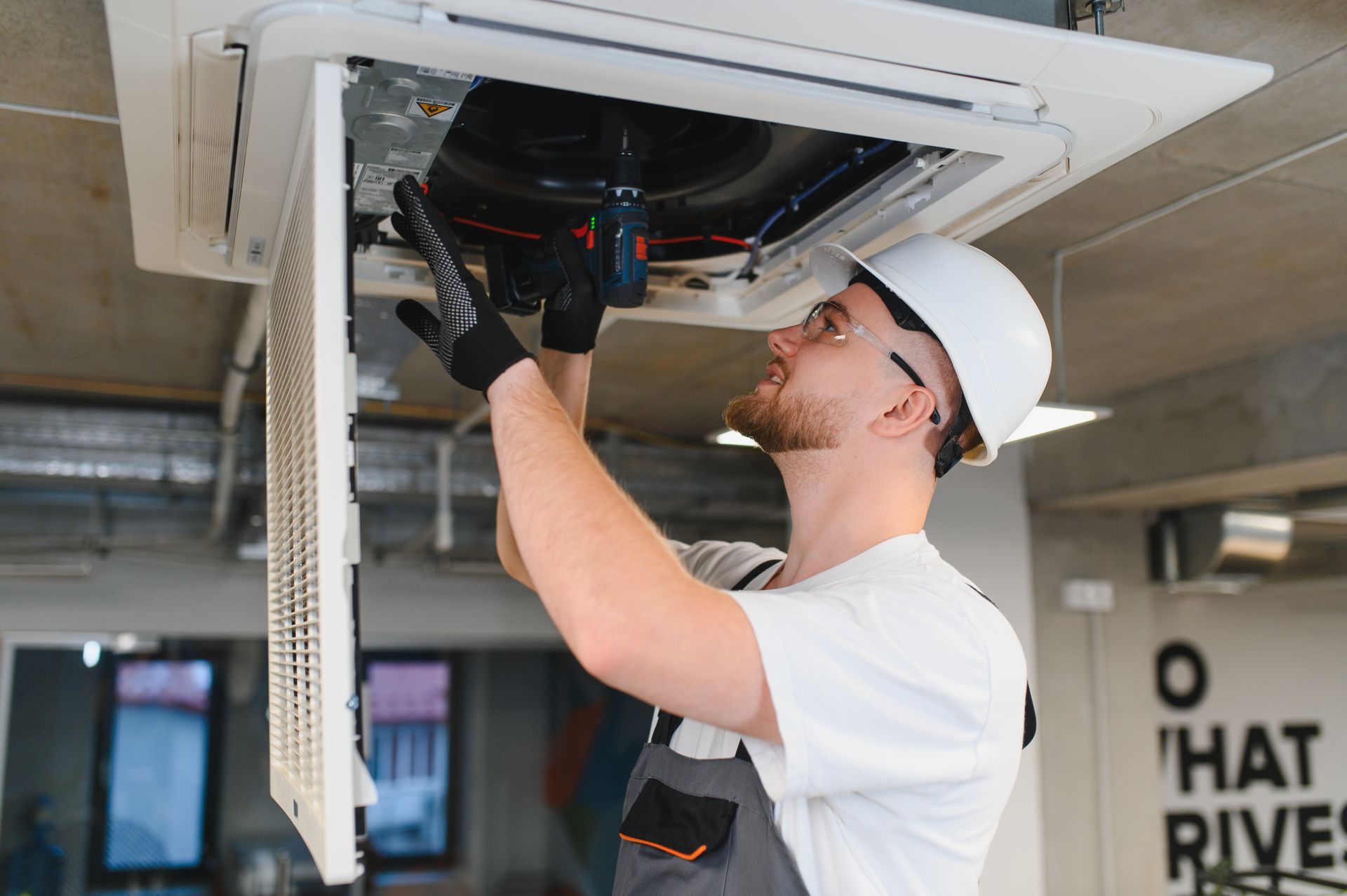
An HVAC technician can evaluate both sides of the problem: whether the equipment is producing the appropriate amount of heat and whether sufficient airflow is available to carry that heat away.
Why Does the Heat Come Back After the Unit Cools Down?
Repeated high-limit trips can sometimes appear to be an intermittent heating problem.
When an automatic limit switch opens, the burners shut down and the equipment begins to cool. Once temperatures fall sufficiently, the switch may reset and allow heating to resume. If the condition that caused the overheating remains, the temperature can rise again and repeat the cycle.
From inside the building, this may appear as inconsistent heating, short cycling or a system that runs but has difficulty maintaining the desired indoor temperature.
Why Repeatedly Resetting the Equipment Isn't a Fix
A safety control that repeatedly shuts equipment down is an indication that the cause needs to be investigated. Resetting the equipment without repairing the underlying airflow, blower, burner or control problem may simply allow the same overheating condition to occur again.
Continued overheating can also place additional stress on heating components and contribute to further equipment problems.
If a commercial furnace or rooftop unit repeatedly trips its high-limit switch, Tom's Commercial can troubleshoot the equipment and determine why temperatures are exceeding the normal operating range. Contact us at (817) 277-4493 for commercial heating repair in Arlington and the surrounding service area.